
Dubai delivers every style of food imaginable. More than 200 nationalities live here, so the restaurant scene ranges from tiny hole-in-the-wall spots run by families to multi-course tasting menus inside hotels on the Palm. The city works as one giant food market where traditional Emirati cooking sits alongside Lebanese, Indian, Pakistani, Japanese, Italian and almost everything else. This guide pulls together places and dishes that consistently appear across local recommendations and personal visits rather than marketing lists.
Core Characteristics of Traditional Emirati Cuisine
Emirati cooking emphasizes slow preparation methods that extract maximum flavor from limited resources. Underground pit cooking, sun-drying of fish and meat, and long simmering in clay pots were once essential for preservation and taste development. Today these techniques survive in everyday and ceremonial dishes.
Spices arrive in balanced combinations rather than overwhelming heat. Dried lime (loomi) contributes a unique sour note, while saffron and cardamom dominate both savory and sweet preparations. Rose water and orange blossom water appear frequently in desserts and beverages.
Hospitality dictates generous portions and shared platters. Food is served family-style on large trays placed on the floor or low tables, reinforcing social bonds during gatherings, holidays, and religious occasions.
Signature Rice and Meat Dishes
Rice-based dishes stand at the center of the Emirati table, especially for lunch and dinner.
Al Machboos
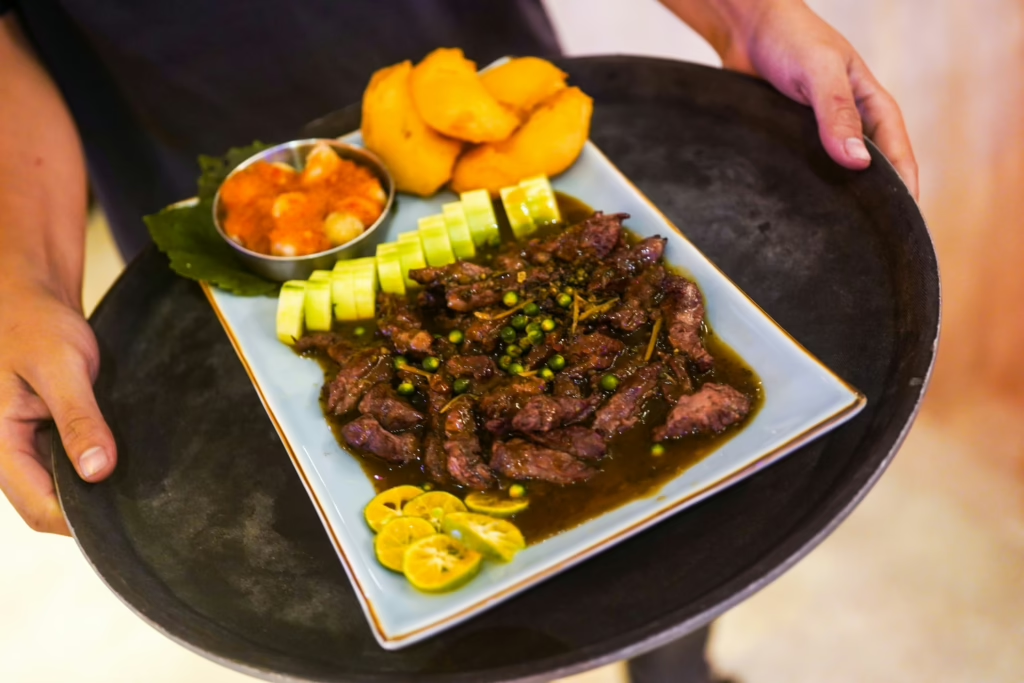
The most recognized national dish consists of basmati rice cooked in spiced broth with lamb, chicken, or fish. The meat is first seared with onions and tomatoes, then simmered with dried lime, cardamom, cinnamon, cloves, and turmeric until the rice absorbs all liquid and develops a golden color. Variations using shrimp or local fish highlight the coastal influence.
Khuzi (Ghuzi)
A whole lamb or goat is marinated, slow-roasted, and presented over a large bed of spiced rice garnished with nuts and raisins. This preparation appears primarily at weddings, Eid celebrations, and major gatherings where the visual impact matches the rich flavor.
Matchrooba (Maqboos Upside-Down)
Meat and vegetables are layered at the bottom of the pot with rice on top. Once cooked, the entire pot is inverted onto a platter, revealing caramelized ingredients beneath fluffy rice.
Slow-Cooked Wheat Specialties
Wheat-based porridges require extended cooking times and constant attention, making them symbols of care and tradition.
Al Harees
Wheat is soaked overnight, then combined with meat and cooked for several hours until both ingredients break down into a smooth, creamy consistency. The finished dish receives a topping of local ghee. It remains inseparable from Ramadan, Eid, and wedding menus.
Furseia (Frsee’ah)
Cracked wheat cooks with meat and mild spices to form a thick porridge. The texture falls between harees and risotto, and it is often finished with fried onions.
Layered Bread Stews
- Thareed (Thereed): Thin, crisp flatbread torn into pieces and soaked in a rich meat and vegetable stew (usually lamb or chicken with potatoes and tomatoes); the bread absorbs the broth while keeping some texture; especially popular during Ramadan iftar.
- Margooga: Similar layered stew that uses thicker bread pieces alternated with a tomato-based meat sauce for even absorption of flavors.
Coastal and Seafood Traditions
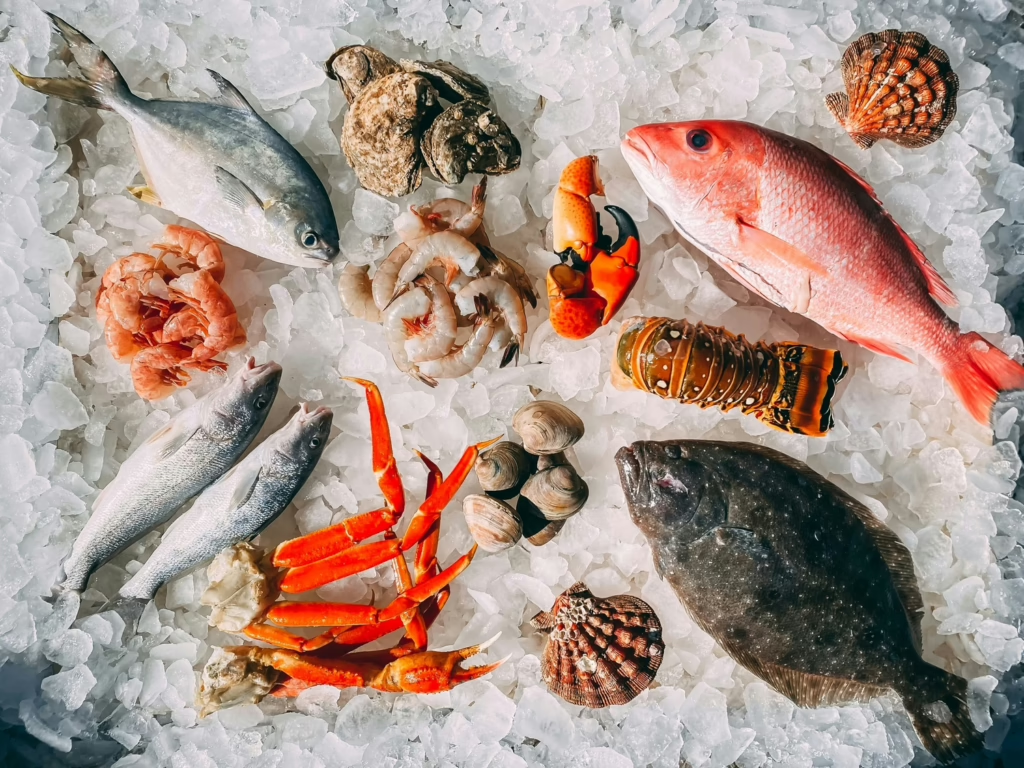
The UAE’s long coastline produces distinct fish and shark preparations.
Madrooba
Salted fish is pounded with spices and thickened with rice flour or mashed rice to create a savory porridge. The salt-curing process preserves the catch for inland consumption.
Jasheed
Dried baby shark is rehydrated and cooked with onions, garlic, and beharat spice mix. Though less common today due to conservation concerns, it represents historical preservation methods.
Majboos Samak
The classic machboos technique adapts to fresh Gulf fish such as hammour (grouper) or safi. The fish is lightly fried or grilled before placement atop the spiced rice.
Breakfast and Morning Foods
Emirati breakfast combines sweet and savory elements in ways unfamiliar to many visitors.
Balaleet
Sweetened vermicelli is cooked with sugar, cardamom, saffron, and rose water, then topped with a thin omelet. The contrast between sweet noodles and egg defines the dish.
Chebab (Chabab)
Thick pancakes are flavored with cardamom and sometimes saffron. They are served warm with date syrup, honey, or local cheese.
Khameer Bread
A soft, slightly sweet flatbread incorporates date paste or syrup into the dough. It can be eaten plain, spread with cheese, or dipped in honey.
Regag and Chami
Ultra-thin crisp bread pairs with various toppings, while chami, a soft cheese made from buttermilk, provides a salty counterpoint to sweet breads.
Breads and Accompaniments
Fresh bread appears at every meal.
- Regag: paper-thin bread cooked on a convex griddle
- Khameer: enriched date bread with a tender crumb
- Chami: soft, slightly tangy cheese
- Tanoor bread: occasionally baked in clay ovens for special occasions

Discover Dubai’s Food Scene with World Arabia
At World Arabia, we see Dubai as the place where real Emirati food actually lives, not just survives.
We watch the same small cafeterias in Bur Dubai and Deira open at dawn with fresh regag and balaleet, the same uncles still making machboos in the original blackened pots while the skyline keeps growing behind them. We notice when a new spot starts doing proper harees on Thursdays and when the old fish places along the Creek suddenly have perfect madrooba again because the dried hammour shipment finally arrived.
The city keeps pulling in new residents who bring their own spices and techniques, yet the core dishes – thareed, luqaimat, khuzi, jasheed when someone dares – stay alive in villa kitchens, warehouse canteens, and the handful of restaurants that refuse to compromise. We track every shift, every comeback, every quiet improvement, because this is the only city where tradition and constant change share the same table every single day.
Desserts and Drinks
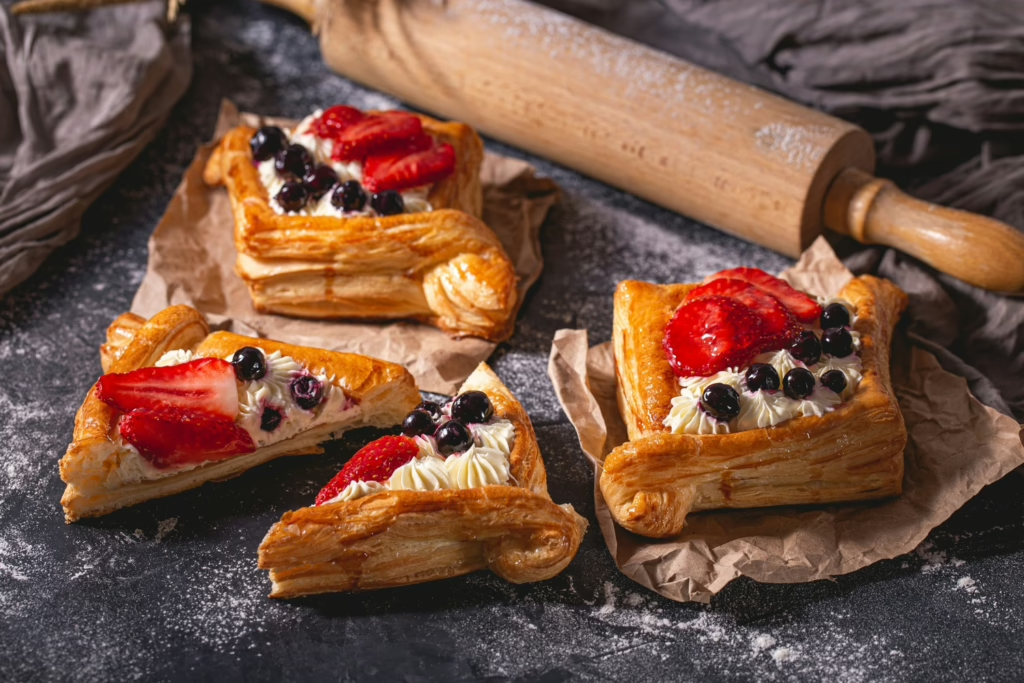
The Emirati sweet tooth runs on sugar syrup and texture. Luqaimat – those golden, ping-pong-ball-sized doughnuts – show up everywhere from mosque courtyards during Ramadan to late-night markets in Deira. One bite and the crisp shell collapses into a cloud soaked in date syrup or honey. Kunafa has almost cult status: layers of shredded phyllo hide stretchy, unsalted cheese that melts under a torch and then gets drenched in rose-water syrup; the best versions crack when you press the fork. In winter, Umm Ali takes over – warm, milky bread pudding loaded with pistachios, almonds, coconut and a dusting of cinnamon that feels like dessert and comfort blanket at the same time.
Iconic Emirati Sweets
Desserts rely heavily on dates, syrups, and gentle spicing.
- Luqaimat: Small yeast dough balls deep-fried until golden, then soaked in date syrup or honey; crisp outside, soft inside; classic end to iftar and a staple at celebrations.
- Khanfaroosh (Khanfroush): Fried dough coated with sugar that hardens into a crunchy shell; distinctive contrast between the crisp sugar layer and soft interior.
- Muhalla: Simple boiled wheat dumplings generously drizzled with date molasses.
- Mehalabiya: Smooth milk pudding flavored with rose water and cardamom, chilled and topped with pistachios; light finish to rich meals.
- Assedat Boubar: Pumpkin pieces slow-cooked with sugar and spices until caramelized; naturally sweet seasonal dessert.
Beverages and Condiments
Emirati tables never lack something to drink or a sharp note to cut richness. The choice of beverage signals everything from formal hospitality to everyday routine.
Arabic Coffee (Gahwa)
Arabic coffee – gahwa – is the ultimate gesture of welcome. Lightly roasted beans are ground with cardamom and sometimes saffron, boiled in a dallah pot, and poured unsweetened into tiny finjal cups. You take a few sips and shake the cup when you have had enough; fresh dates always sit beside it to soften the bitterness.
Karak Tea
Karak tea runs the city 24 hours a day. Strong black tea is boiled endlessly with cardamom, sweetened heavily, and finished with evaporated milk until it turns caramel-coloured. Sold for a dirham from roadside stalls and drive-through windows, it is Dubai’s real daily fuel.
Date Syrup and Pickles
Date syrup sweetens everything from pancakes to desserts, while pickled lemons, vegetables, and whole dried limes provide the sharp contrast that balances rich meat and rice dishes. These few condiments and drinks shape the flavour and rhythm of every Emirati meal.
Conclusion
Dubai’s food scene reflects the city itself: layered, international and constantly evolving. Traditional Emirati flavours are finally getting restaurant space, while street-food classics from the 1970s still feed construction workers and executives alike. At the top end, chefs from every continent open ambitious rooms backed by investors who want global recognition. The result is a destination where a 15 AED shawarma can be followed the next night by a 1500 AED omakase and both meals feel completely normal.
FAQ
What is the must-try local Emirati dish?
Al Machboos or Thereed give the clearest taste of local spices and slow cooking methods.
Where can I find the best shawarma in Dubai?
Al Mallah on Al Dhiyafa Road, Aroos Damascus in Deira and Al Hallab in malls are consistently mentioned by locals.
Is all food in Dubai halal?
Yes for meat. Pork products and alcohol are only sold in specific licensed locations.
Are Friday brunches worth it?
They remain the most efficient way to sample a high-end restaurant at lower cost, especially with drink packages.
Which area has the cheapest good food?
Al Karama and parts of Deira offer Pakistani-worthy Pakistani, Indian and Arabic meals under 50 AED.
What is the best time of year for food trips to Dubai?
November to April brings comfortable outdoor temperatures and peak season for new restaurant openings.
Do I need reservations for popular places?
Yes for any licensed or fine-dining venue, and even many mid-range spots fill up on weekends.