

Dubai has a reputation for being over the top – luxury cars, designer malls, and hotels shaped like sails. But the truth is a bit more layered. You can easily spend a small fortune here, yes, but you can also explore the city on a surprisingly modest budget if you plan right. The cost of visiting Dubai really depends on how you travel: where you stay, what you eat, and how you choose to get around. Whether you’re coming for the beaches, the shopping, or just to see what all the fuss is about, here’s what to expect when it comes to money, and how to make every dirham count.
Understanding Dubai’s Cost Landscape
Dubai is built around contrasts. You’ll find high-end restaurants next to shawarma stalls, and sleek five-star hotels standing not far from affordable mid-range options. This mix is what makes the city both fascinating and confusing when it comes to costs.
A few factors shape Dubai’s pricing:
- Tourism focus: As one of the world’s most visited cities, Dubai offers every level of experience, from ultra-luxury to backpacker-friendly.
- Tax and currency: The UAE introduced a 5% VAT, which is still lower than in many Western countries. The dirham is pegged to the US dollar, keeping prices relatively stable.
- Location and climate: Peak season (November to March) brings higher prices, while the summer months are cheaper due to the extreme heat.
The key takeaway? Costs in Dubai vary widely based on lifestyle. What’s expensive to one traveler might be perfectly reasonable to another.

Exploring Dubai’s Lifestyle with World Arabia
When we talk about what makes Dubai fascinating, it’s not just the skyscrapers or the prices – it’s the lifestyle that blends so many worlds together. We often find that the best way to understand the city is through platforms like World Arabia, which captures Dubai’s culture, fashion, wellness, and business scene with a local yet global voice.
On World Arabia, you can dive into everything from affordable local fashion brands to major events like the Dubai International Boat Show or WE Convention. The publication reflects the same diversity we see on the ground – luxury living for some, creative local stories for others. It’s a reminder that Dubai isn’t only about money; it’s about the energy, ambition, and everyday inspiration that keep the city evolving.

Flights to Dubai: Timing Is Everything
Flight prices are often the biggest expense after accommodation, especially if you’re flying from Europe or the US. The good news is, competition among airlines keeps fares fairly reasonable year-round.
- From the UK: Return flights from London or Manchester typically range between £300 and £550.
- From the US: Expect $800-$1,200 from the East Coast and $900-$1,400 from the West Coast.
- From Europe: Flights from major cities like Paris, Berlin, or Warsaw often fall between €350 and €600.
To get better deals, avoid peak holidays like Christmas or New Year, and consider traveling midweek. Booking 2-3 months in advance usually pays off. Budget airlines also serve Dubai, but check baggage rules carefully since extras can raise the final price.
Where to Stay: From Budget Hostels to 7-Star Icons
Dubai’s hotels are almost a destination in themselves. The city takes hospitality seriously, and it shows – from opulent landmarks that look like works of art to cozy budget stays tucked into local neighborhoods. Whether you want to wake up to views of the Burj Khalifa or keep things simple near a Metro stop, there’s an option for every traveler and every wallet.
Luxury Hotels
If you’ve ever dreamed of living like royalty, Dubai is the place to do it. The iconic Burj Al Arab, Atlantis The Palm, and Armani Hotel Dubai redefine what “five-star” means, with private beaches, personal butlers, and dining that feels like theatre. Rooms here start around £300 per night and can easily cross £1,000 depending on the suite. These hotels aren’t just accommodation, they’re part of the city’s identity. Even if you don’t stay overnight, visiting one for dinner or afternoon tea is an experience in itself.
Mid-Range Comfort
For most travelers, the sweet spot sits somewhere in between. A good 3- or 4-star hotel in areas like Dubai Marina, Downtown, or Business Bay costs around £70 to £150 per night. These properties often have rooftop pools, gyms, and breakfast buffets that rival pricier options. You’ll find familiar international chains alongside locally run hotels that offer a warm, personal touch. The best part is how close you are to attractions without paying the premium rates of beachfront resorts.
Budget-Friendly Stays
Yes, you can enjoy Dubai without draining your savings. Hostels in Deira or Bur Dubai start around £25 a night, and budget chains such as Premier Inn, Rove Hotels, or Ibis usually sit between £40 and £60. Airbnb apartments in residential areas like Al Barsha, Discovery Gardens, or Jumeirah Village Circle offer more space and flexibility for around £40 to £90 a night.
Smart Neighborhood Choices
If you’re watching your budget, focus on places near the Dubai Metro – it’s clean, efficient, and connects most key attractions. Staying just a few stops away from the main tourist areas can cut your accommodation costs by 30–40%. For instance, hotels in Al Rigga or Oud Metha give you easy access to Downtown and the Marina without the price tag of staying there.
Finding the right base in Dubai isn’t just about cost, it’s about how you want to experience the city. Whether you prefer the glamour of Palm Jumeirah or the local charm of Deira’s markets, there’s always a place that fits both your comfort level and your budget.
Getting Around: Surprisingly Affordable
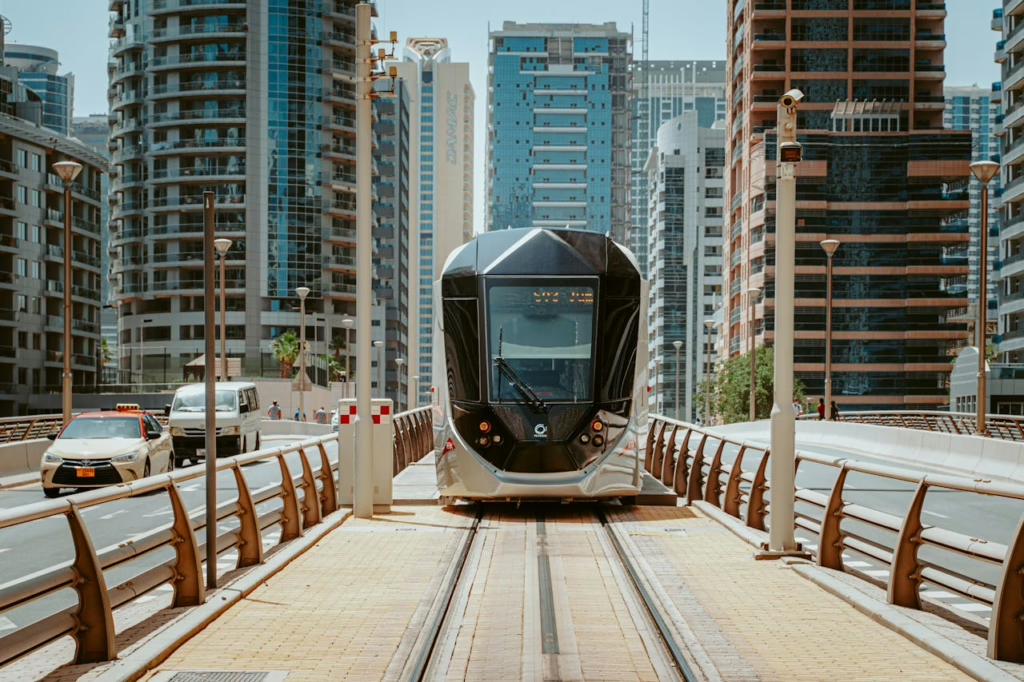
Dubai looks built for cars, but its public transport system is efficient, clean, and cheap. The Metro covers most major attractions, from the airport to the Marina, and trains are air-conditioned and punctual.
Here’s what to expect:
- Metro tickets: AED 3-9 per trip (around $0.80-$2.50).
- Buses: Slightly cheaper, though slower due to traffic.
- Abra rides: Traditional wooden boats across Dubai Creek for AED 1 (about $0.25).
- Taxis: Base fare around AED 12, with short rides costing AED 25-40 ($7-11).
- Ride-hailing apps: Careem and Uber operate widely with prices similar to local taxis.
If you plan to use public transport frequently, buy a rechargeable NOL card. It works across Metro, buses, and trams.
Food and Dining: Street Eats or Michelin Feasts
Dubai’s food scene is one of its biggest surprises. The city caters to every taste and every wallet, whether you want to sample shawarma from a street vendor or dine 50 floors up with skyline views. What stands out most is how the same city can serve you a £200 tasting menu one night and a fantastic £5 curry the next.
Budget-Friendly Meals
If you’re watching your expenses, don’t worry, Dubai makes eating well on a budget easy. Local cafeterias, mall food courts, and smaller family-run restaurants serve a mix of Indian, Pakistani, Filipino, and Arabic dishes that are both delicious and affordable. Meals usually cost around AED 15-30 ($4-8), and you can grab a hearty shawarma or falafel wrap for just AED 10 ($3). Many of these spots are open late, which is perfect if you’re exploring after dark or staying near areas like Deira or Al Karama.
Mid-Range Dining
For something a bit more relaxed but still affordable, casual restaurants and cafes in neighborhoods like Jumeirah, Al Barsha, or City Walk offer plenty of variety. Expect to pay AED 50-100 per person ($14-27) for a full meal, including drinks and dessert. You’ll find everything from seafood grills and Lebanese mezze to sushi bars and modern Mediterranean kitchens. The atmosphere tends to be lively and social, a great way to experience Dubai’s cosmopolitan mix of cultures.
High-End Experiences
Then there’s the other side of Dubai – the one that makes headlines. Fine dining here is an experience, not just a meal. Think celebrity chef restaurants, rooftop lounges, and buffets inside luxury hotels where the service and presentation feel almost theatrical. Prices start around AED 300 ($80) and can go far beyond that, especially in places like Nobu, Ossiano, or Zuma. You’re paying for the full experience: the views, the design, and the sense of occasion. These spots are ideal for a special night out, even if it’s just once during your trip.
Local Flavors and Global Options
One thing we love about eating in Dubai is the variety. You can walk a single street and find Egyptian koshari, Indian thali, Filipino adobo, and Italian pizza all within a few blocks. The city’s mix of cultures shows up on every menu, which makes it an amazing place for food lovers who enjoy exploring.
Tipping and Alcohol
Tipping is straightforward – most places already include a 10-15% service charge, but rounding up or leaving a few extra dirhams is a nice gesture. The real wallet-burner here is alcohol. Drinks are taxed heavily, so expect AED 40-60 ($10-16) for a beer and AED 60-100 ($16-27) for cocktails. Buying from licensed liquor stores like MMI or African + Eastern is cheaper but still not “cheap.” Remember, drinking in public areas is illegal, so keep it to licensed venues and hotels.
A City for Every Appetite
The beauty of Dubai’s dining scene is that it never locks you into one type of experience. You can have a budget breakfast in an old souk, a street snack between attractions, and an elegant dinner overlooking the skyline – all in the same day. Eating here isn’t just about the food, it’s about seeing how this city of contrasts comes together at the table.
Attractions and Experiences: Free to Fancy
Dubai’s attractions cater to every kind of traveler. Whether you’re exploring on a budget or treating yourself to luxury, the city offers something at every price point – from cultural gems and outdoor fun to sky-high adventures and desert escapes.
Free or Low-Cost Activities
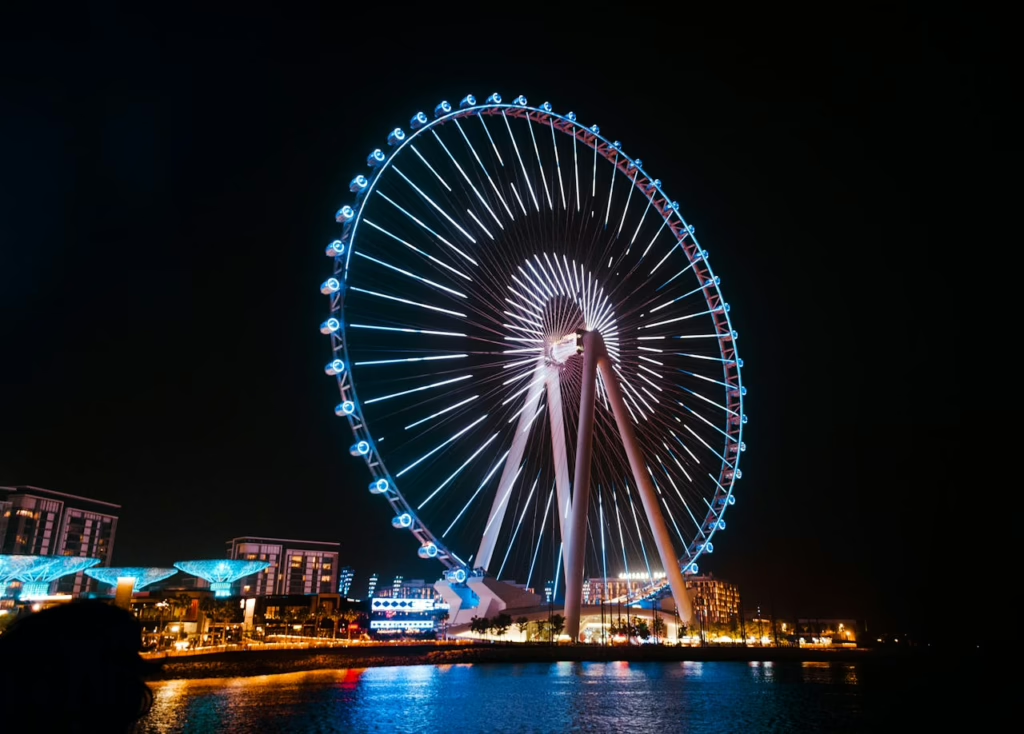
You don’t need to spend much to enjoy Dubai. Start with the Dubai Fountain show near the Burj Khalifa, a nightly spectacle of music, light, and water that’s completely free. Spend an afternoon soaking up the sun at public beaches like Kite Beach or JBR, both equipped with showers, cafes, and walking tracks.
For a taste of old Dubai, wander through the Gold and Spice Souks in Deira, where the air smells of saffron and oud. And if you want a scenic, authentic moment, take an abra ride across Dubai Creek for just AED 1. It’s one of the city’s most charming experiences at almost no cost.
Mid-Range Experiences
If you’re ready to spend a little, Dubai offers memorable activities that don’t break the bank. The futuristic Museum of the Future costs around AED 150 ($40) and is one of the city’s most impressive attractions. A dhow cruise dinner along Dubai Creek or the Marina, usually priced between AED 200 and 300 ($55–80), combines local cuisine with skyline views. And for something more adventurous, a basic desert safari with dune bashing, camel rides, and a BBQ dinner costs around AED 250 ($68).
Luxury Experiences
Dubai also knows how to do luxury like no other city. Visiting the Burj Khalifa observation decks costs anywhere from AED 150 to 500 ($40–135), depending on the level and time slot. If you want a premium version of the desert adventure, Platinum Heritage safaris blend culture, conservation, and high-end comfort, priced between AED 595 and 1,750 ($160–475).
For the ultimate splurge, consider a private yacht cruise around Palm Jumeirah or a helicopter tour over the city – both starting at about AED 700 ($190) per person. Even at the high end, many experiences feel well worth it for the once-in-a-lifetime memories they deliver.
Daily Budget Breakdown
So, how much do you actually need per day in Dubai? Here’s a realistic range:
Budget traveler: AED 300-400 ($80-110)
- Hostel or budget hotel
- Street food and public transport
- Free attractions and the occasional paid activity
Mid-range traveler: AED 600-900 ($165-245)
- 3 or 4-star hotel
- Casual dining, taxis, and one paid experience per day
Luxury traveler: AED 1,500+ ($400+)
- 5-star accommodation
- Fine dining, private transport, and premium excursions
For most visitors, mid-range spending covers a comfortable, full experience of the city.
Living in Dubai: What It Costs Long Term
Dubai isn’t just for tourists; it’s home to a large expat community that keeps the city’s energy constantly evolving. The cost of living here varies widely depending on where you live and how you choose to spend. A one-bedroom apartment in areas like Dubai Marina or Downtown costs around AED 5,000 per month (€1,200), while cheaper neighborhoods such as Al Nahda or International City offer similar spaces for roughly half that price.
Monthly utilities and internet bills usually come to around AED 600–800, and groceries average between AED 1,200 and 1,800 depending on your diet and lifestyle. Public transport is relatively inexpensive, with monthly costs hovering around AED 300–400 if you use the Metro and buses regularly.
All in all, a single person can live modestly in Dubai for about AED 7,000–10,000 per month ($1,900–$2,700). Families or professionals living in luxury districts will naturally spend more. The city’s tax-free income structure helps offset some of these expenses, though imported goods, rent in prime areas, and international schooling can quickly raise the overall cost of living.
Hidden Costs and Small Surprises
Dubai’s prices are usually clear, but there are still a few extra charges that can catch travelers off guard. Hotels often include a Tourism Dirham fee, which ranges from AED 7 to 20 per room per night. Restaurants and hotels may also apply service charges of around 10–15% automatically, so it’s worth checking your bill before adding a tip. Some luxury resorts include daily fees for amenities, usually between AED 50 and 150, covering access to pools or leisure facilities.
Prices can also rise slightly on weekends – Friday and Saturday are considered peak days in Dubai, especially for dining, entertainment, and hotel stays. Being aware of these small add-ons makes it easier to plan your budget and avoid surprises at checkout.
Smart Ways to Save Money in Dubai
If you plan strategically, you can stretch your budget without cutting back on experiences.
Money-saving tips:
- Visit during the off-season (June–August): It’s hot, but nearly everything is indoors and air-conditioned. Hotel rates drop by 30–40%, restaurants run summer promotions, and attractions are far less crowded.
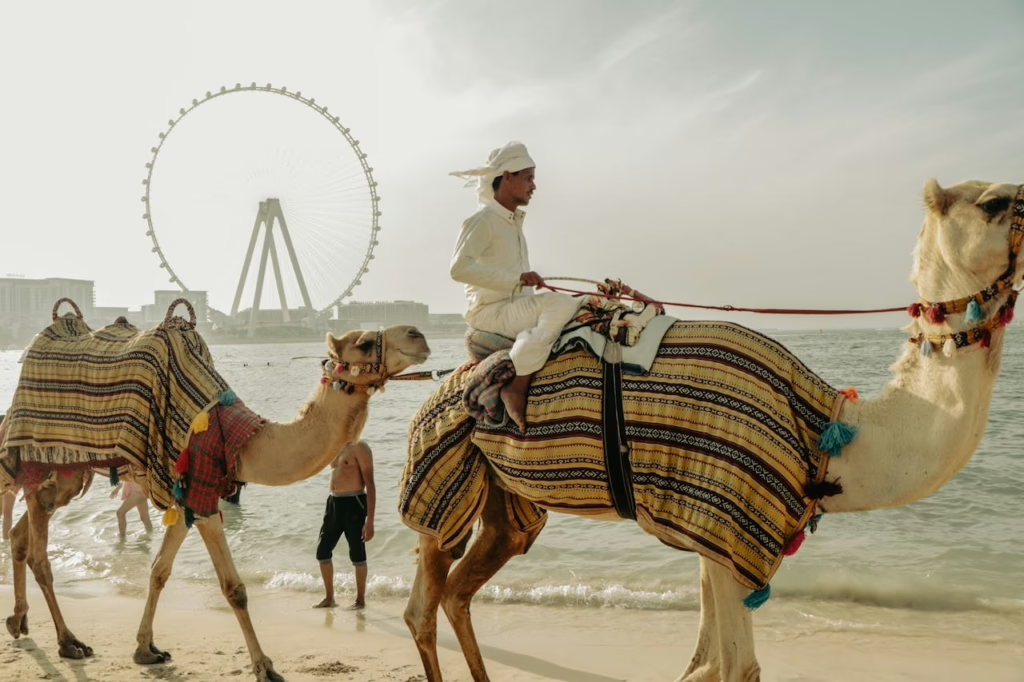
- Use public beaches instead of private beach clubs: You’ll find clean, beautiful spots like JBR Beach, Kite Beach, and La Mer that are free or charge only a small fee. They have showers, cafes, and rental gear without the high price tags of private clubs.
- Book tours locally instead of online: Tour agencies in Deira or Bur Dubai often offer the same desert safaris, city tours, and dhow cruises advertised online, but for half the price. Booking in person also gives you the chance to negotiate or bundle deals.
- Try lunch deals at upscale restaurants: Many fine-dining spots offer special set menus at lunchtime that cost 40–50% less than dinner prices. It’s a smart way to experience top-rated cuisine without overspending.
- Refill water bottles: Dubai’s tap water is safe to drink. Bring a reusable bottle and refill it at hotels or malls instead of paying AED 5–10 every time for bottled water.
- Buy an unlimited NOL card: For about AED 20 ($5.50), you get unlimited Metro, bus, and tram rides for the day. It’s clean, reliable, and far cheaper than taxis for getting around the city.
Even simple swaps like using the Metro or exploring less touristy neighborhoods make a big difference.
Is Dubai Worth the Cost?
That depends on what you value. Dubai isn’t cheap if you chase luxury every step of the way, but it rewards those who explore beyond the obvious. The city’s infrastructure is top-notch, it’s extremely safe, and there’s a unique blend of cultures that few destinations can match.
You can admire modern architecture one minute and wander through centuries-old souks the next. Even if you skip the ultra-luxury experiences, you’ll still find plenty of ways to enjoy the city’s rhythm, beaches, and culture without overspending.
Final Thoughts
So, is Dubai expensive? It can be, but it doesn’t have to be. The city gives you control over your spending. You can tailor your trip to your budget, choosing when to indulge and when to keep things simple.
For travelers who plan wisely, Dubai offers incredible value: top-quality infrastructure, world-class attractions, and unforgettable experiences in a clean, safe, and endlessly fascinating setting. Whether you’re splurging on the view from the Burj Khalifa or sharing shawarma by the creek, the city always finds a way to make it worth your while.
Frequently Asked Questions
Is Dubai really as expensive as people say?
Not necessarily. Dubai can be very affordable if you plan wisely. Public transport, local food, and budget hotels keep costs manageable. Luxury experiences are available for those who want them, but they’re not the only option.
How much money do I need per day in Dubai?
For a balanced trip, expect to spend around AED 400–700 ($110–190) per day. That includes a mid-range hotel, meals, and a few paid attractions. Budget travelers can manage on AED 300 a day, while luxury seekers can easily spend AED 1,500 or more.
Is food in Dubai expensive?
It depends on where you eat. Street food and small local restaurants are cheap – AED 10–30 ($3–8) for a meal. Casual cafes cost around AED 50–100 ($14–27), while fine dining can reach AED 300+ ($80+) per person.
How much does it cost to stay in Dubai?
Budget hotels start at about AED 100 per night, mid-range options range between AED 300–600, and high-end resorts like Atlantis or Burj Al Arab can exceed AED 3,000 per night. Airbnb and apartments often offer good value, especially for longer stays.
Is alcohol expensive in Dubai?
Yes. Alcohol is heavily taxed, so expect to pay AED 40–60 ($10–16) for a beer and AED 60–100 ($16–27) for cocktails. Buying from licensed stores is cheaper, but drinking in public is prohibited – stick to licensed venues or hotels.
Is public transport in Dubai affordable?
Very. Metro and bus fares range from AED 3–9 per trip ($0.80–2.50). A daily NOL pass for unlimited rides costs about AED 20 ($5.50), making it one of the easiest ways to explore the city without overspending.