
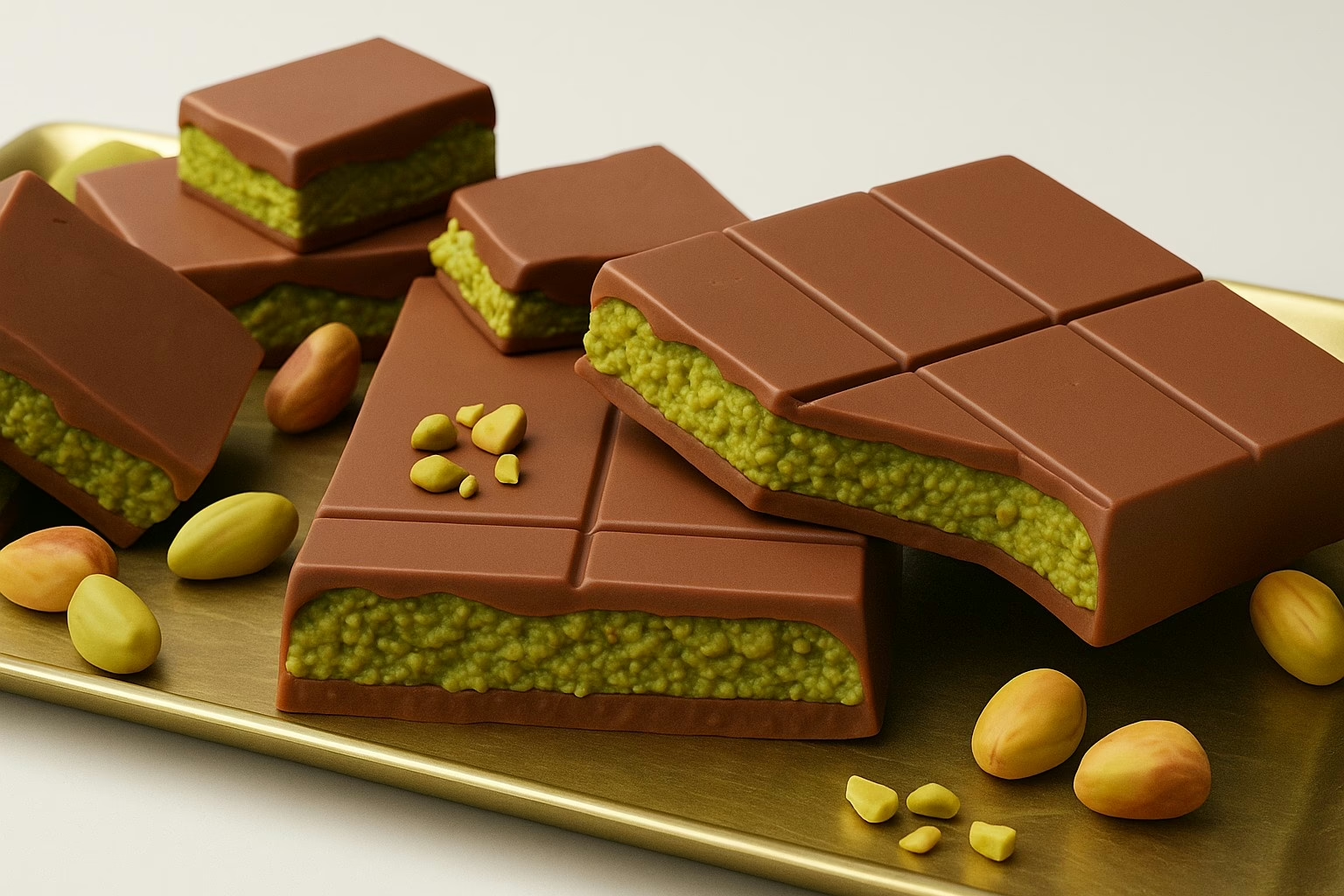
Somewhere between a luxury dessert and a cultural snapshot, Dubai Chocolate has managed to do something rare – spark a global obsession without losing its local soul. It’s not just the taste that caught the world’s attention. It’s the unexpected combination of textures, the unmistakable green pistachio center, the glossy chocolate shell, and that crunch people keep replaying on TikTok. But what’s actually in it? What makes this chocolate bar feel like more than just chocolate?
A Brick of Chocolate That Changed the Game
It started in a quiet dessert kitchen in Dubai – a thick chocolate bar with a pistachio-green core and a name no one could quite forget. Somewhere between a craving and a concept, it grew into a full-on cultural export. Today, Dubai Chocolate isn’t just trending – it’s reshaping how people think about chocolate, especially when tradition meets design.
What makes it different isn’t only what’s inside, though that matters. It’s the way it feels in your hand. The way it snaps, oozes, crunches. The textures are layered like a story: pistachio, tahini, toasted pastry, dark shell. And somehow, it still tastes like home – even if you’re half a world away from the UAE.
The Original Formula – Who Created It and Why It Matters
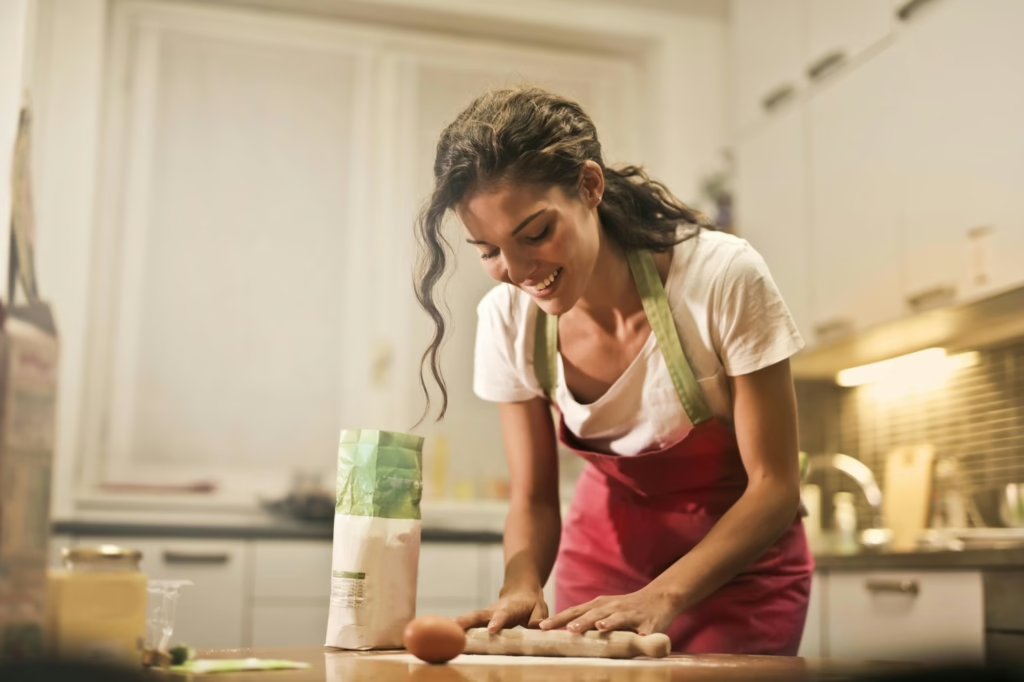
Dubai Chocolate didn’t come from a factory blueprint or a marketing brainstorm. It began in 2021 with British-Egyptian entrepreneur Sarah Hamouda, the sole founder of Fix Dessert Chocolatier in Dubai. She started experimenting with the idea of these compact, pistachio-filled bars during her pregnancy, drawing on her cravings for rich nuts, sesame, and crunchy textures from traditional Middle Eastern pastries, and then officially launched the ‘Can’t Get Knafeh of It’ bar in 2022.
The structure she developed became the signature blueprint for authentic Dubai Chocolate, built entirely by hand and grounded in real ingredients:
- Pistachio-Based Filling Made From Real Nuts
- Tahini Added For Balance And Depth
- Toasted Kataifi Pastry For A Crisp Texture
- Thick Tempered Chocolate For A Clean Snap
It matters because the original bar captured something bigger than flavor. It blended memory, technique, and regional identity in a way that felt sincere – and that sincerity set the tone for the global phenomenon that followed.

Where Culture Meets Craft – The Middle Eastern Influence, by World Arabia
At World Arabia, we often return to one question: what happens when tradition and creativity meet halfway? Dubai Chocolate answers that without saying a word. The pistachios, the tahini, the toasted kataifi – none of it feels borrowed. These are ingredients that come from the region, not just geographically, but emotionally. It’s a dessert with roots.
There’s also something unmistakably modern in how it’s put together. The structure is clean. The texture is layered. It reflects the same balance we see across other Middle Eastern crafts – whether in design, fragrance, or fabric. Nothing is accidental. Every piece is doing something.
We’ve seen how people respond when they cut into it – the layers, the color, that moment of reveal. It shows up in cafés, in quiet gift boxes, and yes, often in our Instagram feed. But it’s not just about the look. What really holds attention is the feeling of recognition – when something tastes both new and deeply familiar. That’s the kind of moment we pay attention to. That’s the kind of story we love to tell.
Ingredient Breakdown – What’s Really Inside?
Dubai Chocolate isn’t built on shortcuts. The ingredients don’t just sit next to each other – they interact. Each one brings a texture, a memory, a kind of flavor logic that makes the whole bar more than the sum of its parts. Here’s what actually goes in.
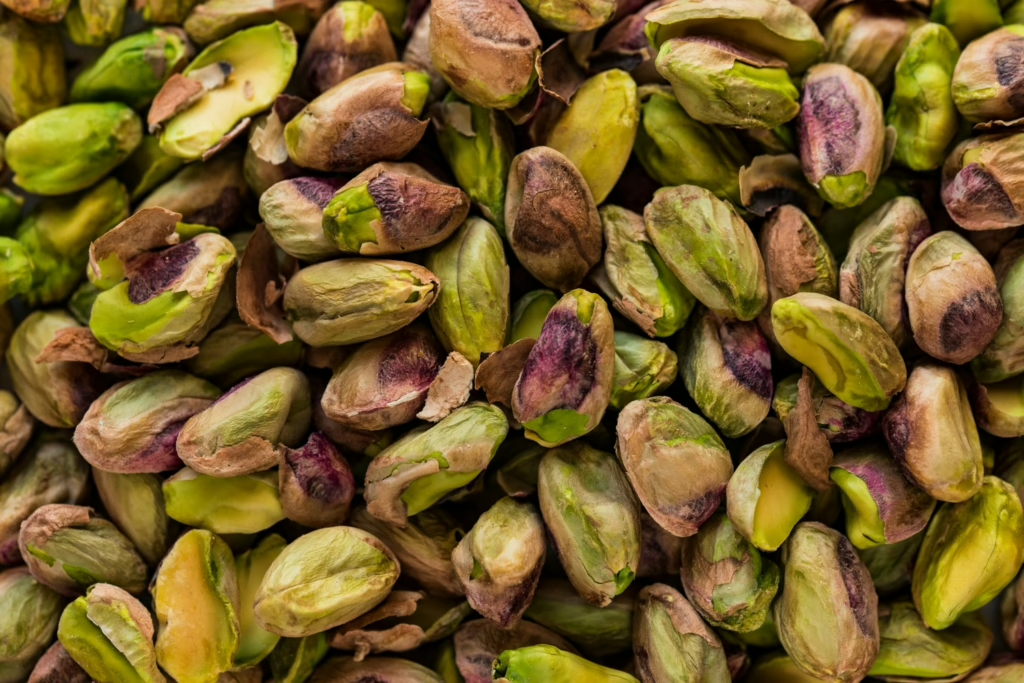
1. Pistachio Cream
This is where the flavor starts. Real pistachios are ground into a thick paste, giving the bar its signature green center. There’s no food coloring here – the color comes straight from the nut. It’s rich, earthy, and just slightly sweet, more like a dessert from someone’s grandmother than a factory shelf. Good pistachio cream doesn’t shout. It settles in and lingers.
2. Tahini
Tahini does more than add flavor – though the sesame note is warm and distinct. It softens the pistachio, gives it depth, and holds the filling together. It’s the quiet backbone of the whole structure. You may not taste it immediately, but without it, the texture wouldn’t make sense. The sweetness would feel flat. With tahini, it’s round.
3. Kataifi Pastry
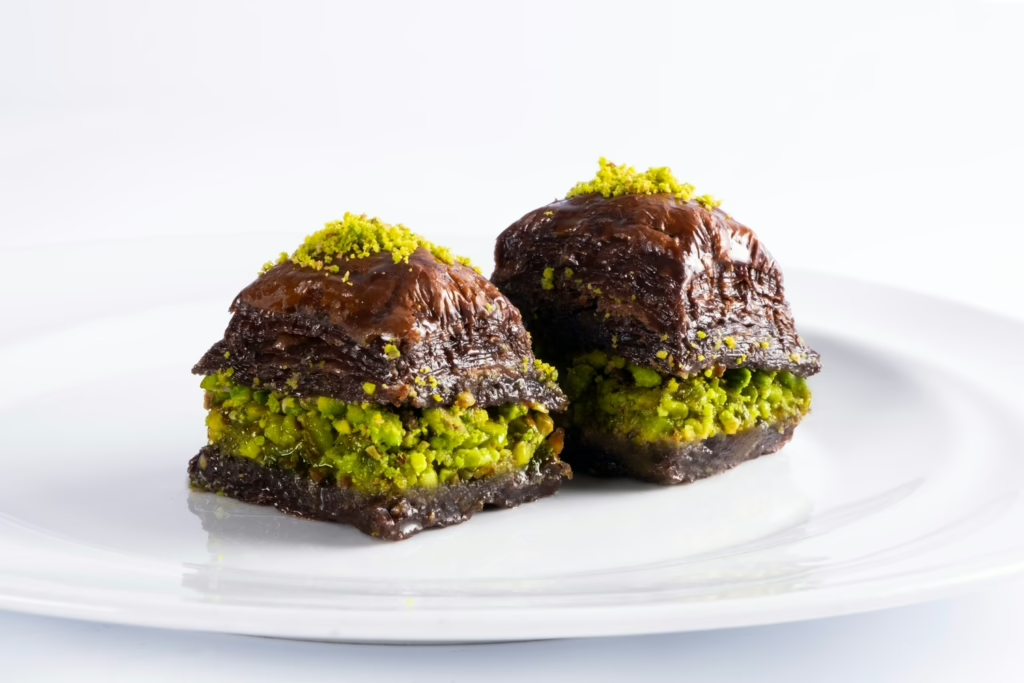
The crunch comes from toasted kataifi – delicate, shredded pastry that’s usually reserved for knafeh or baklava. It’s unexpected in chocolate, but it works. Really well. Once it’s toasted and folded into the filling, it adds contrast to the smoothness of the pistachio and tahini. You get that gentle crackle in every bite.
4. Tempered Chocolate
The outer shell is what holds everything together – visually and structurally. It’s thick, clean, and snaps when you bite into it. Good tempering gives it that glossy finish and keeps it from melting in your fingers too quickly. Most versions use dark or milk chocolate, but either way, the goal is the same: balance. Not too sweet, not too bitter – just enough to frame what’s inside.
Why It Feels So Good to Bite Into: Texture, Taste, and That Click Online
There’s something deeply satisfying about the way Dubai Chocolate breaks. That clean snap of the shell. The soft give of the filling. The delicate crackle from the kataifi. It’s designed – maybe not for the algorithm, but it just happens to work perfectly on camera. Every bite has contrast. Not chaos – contrast. Smooth, then crisp. Rich, then light. You don’t just taste it. You hear it, feel it, and for some reason, people can’t stop filming it.
It’s also a flavor thing. The sweetness doesn’t hit you all at once. There’s restraint in the way it builds – from the roasted pistachio, through the sesame warmth of tahini, to the darker notes of the chocolate. It never feels artificial or loud. That’s part of the reason it keeps showing up in Instagram reels and TikTok cuts. Sure, it looks great sliced open, but more importantly, people keep coming back to eat it again – and that says more than any filter can.
Real or Just Inspired? How to Spot Authentic Dubai Chocolate
The rise of Dubai Chocolate brought a wave of imitators – some thoughtful, others not so much. While the original is still made in small batches by Fix Dessert Chocolatier, versions of it now show up everywhere from luxury boutiques to supermarket shelves. And not all of them get it right. If you’re wondering how to tell what’s real and what’s just using the name, here’s what to pay attention to.
Visual Cues Matter
Start with how it looks – not just the green filling, but the whole presentation. Authentic bars usually have a handmade feel. The chocolate should be smooth, well-tempered, with a natural sheen. The filling should sit neatly inside without air pockets or grainy texture.
Look for:
- Glossy, even chocolate coating with a clean snap
- Real green pistachio tone, not neon or artificial-looking
- Tidy layering – nothing should look rushed or sloppy
Texture and Taste Tell the Truth
The original Dubai Chocolate is all about balance. You should get a real crunch from the kataifi, not soggy flakes. The pistachio-tahini filling should be smooth and rich, not overly sweet or chalky. Imitations often miss the textural contrast – they go soft, flat, or just too sugary.
Signs of quality:
- Crispy kataifi that holds texture
- Filling that’s creamy, not gritty or dry
- Chocolate that supports the filling – not drowns it in sugar
Ingredients Say Everything
If the label mentions “pistachio flavoring” or skips tahini entirely, it’s not the real thing. Real Dubai Chocolate uses whole ingredients – ground pistachios, sesame paste, and pastry. That’s what gives it character. The shortcuts usually taste like… shortcuts.
Check for:
- Real pistachio or pistachio paste (not flavoring)
- Tahini listed as an ingredient
- No fillers or strange thickeners in the mix
Some copies look the part, but the experience isn’t there. The original isn’t just a treat – it’s layered, thoughtful, and deeply regional. You’ll feel the difference by the second bite.
How It’s Evolved – Local Twists and Global Spin-Offs
Dubai Chocolate didn’t stay still for long. Once it went viral, chefs and chocolatiers around the world started experimenting – not just copying, but adapting. What began as a layered bar in the UAE is now reinterpreted in kitchens from Tokyo to Toronto, each version pulling in its own accents and influences while still nodding to the original.
In North America, you’ll find versions made with California pistachios and a sweeter, creamier base – sometimes even swapped with peanut butter or maple tahini for a local touch. In France, chocolatiers dial back the sugar and up the cacao, creating more restrained, darker profiles. Meanwhile, in Seoul and Kyoto, smaller portion sizes and additions like matcha or black sesame take the concept in a quieter, more minimal direction.
But even with all these adaptations, the core idea holds: contrast. Cream and crunch. Soft and bold. The shape might change, the sweetness might shift, but that multi-sensory moment – when you crack the shell and see the green center peek through – still connects every version back to its roots in Dubai. That’s the kind of evolution we like to watch.
How to Enjoy It Best – Serving, Storage, and Rituals
There’s a quiet kind of ceremony to eating Dubai Chocolate. The snap of the shell, the richness of the filling, the way it holds just long enough before melting. It’s not something you rush through. If anything, the experience feels better when you slow down. Here’s how we make the most of it.
- Let It Breathe a Little: Take it out of the fridge 5-10 minutes before serving. The flavors – especially the tahini and pistachio – show up more fully at room temperature. Cold chocolate is firm, but warm chocolate speaks.
- Slice, Don’t Snap: Use a sharp knife for clean cross-sections. This isn’t just for presentation (though yes, it looks beautiful). Slicing gives you a better sense of the layers, and makes it easier to share – or not.
- Pair with Something Subtle: Strong coffee works. So does unsweetened mint tea or even rosewater on ice. The idea is to complement, not compete. Let the chocolate do the talking.
- Avoid Humidity at All Costs: Store it in a cool, dry place – around 18-20°C. Humidity softens the kataifi and dulls the texture. If your climate runs warm, use the fridge, but always seal it in something airtight.
- Treat It Like It Matters: Dubai Chocolate isn’t a background snack. It’s a pause, a reset, a detail that reminds you good things still exist. Put it on a plate. Light stays away. Focus stays here.
Conclusion
Dubai Chocolate isn’t trying to be everything to everyone – and maybe that’s why it works. It has a point of view. It knows where it comes from. The layers aren’t just there for effect; they mean something. Pistachio and tahini don’t usually make it into candy bars. Toasted kataifi isn’t a mainstream texture. But together, they create something that feels both rooted and bold, local and global.
It’s not just about what’s inside – it’s about how it’s built, how it holds, and how it makes people feel. Whether you’re slicing it to share or just breaking off a quiet corner for yourself, there’s care baked into every bite. And that, more than anything, is what makes it worth talking about.
FAQ
1. What gives Dubai Chocolate its green color?
That unmistakable green comes from real pistachios – not dye. The color varies slightly depending on the nuts used, but it’s always natural, always part of the flavor.
2. Is it always crunchy inside?
If it’s made right, yes. The kataifi pastry should still have its crispness. It’s not like a cookie crunch – it’s lighter, more delicate, but still noticeable.
3. Does every version use tahini?
Authentic ones do. Tahini isn’t just for taste – it balances the texture and adds depth. If it’s missing, you’ll feel it, even if you don’t immediately taste it.
4. Can you buy the real one outside the UAE?
Fix Dessert Chocolatier, where it all started, ships worldwide via DHL Express, with same-day and next-day options available for many regions.
5. Is it overly sweet?
No, and that’s part of its charm. The sweetness is restrained. It’s not a sugar rush – it’s layered, rounded, more about richness than sweetness.