
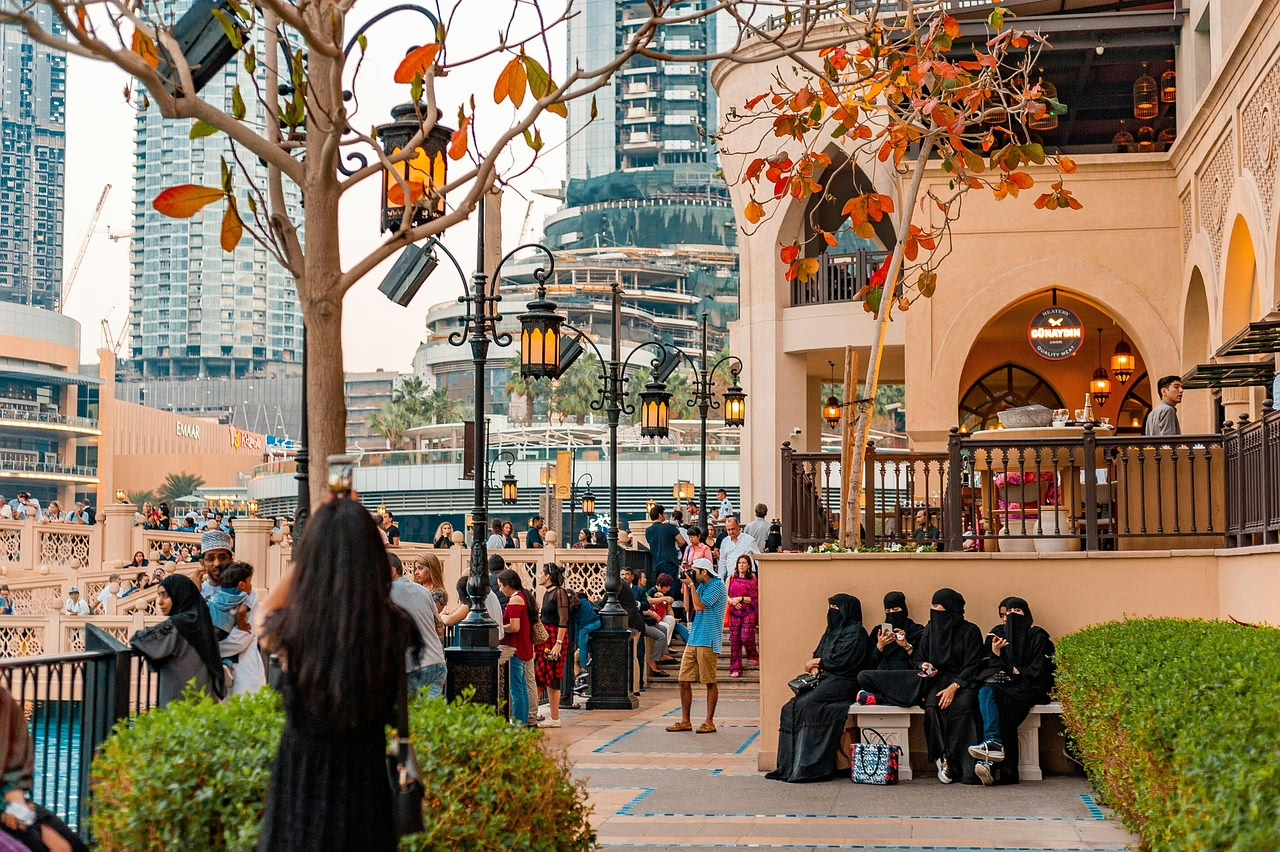
If you’ve been daydreaming about visiting Dubai, the city of futuristic skylines, gold souks, and beaches that look straight out of a movie, you’re not alone. But before packing your bags, it’s natural to wonder: is it actually safe?
The short answer is yes, Dubai is one of the safest cities in the Middle East and, honestly, safer than many major destinations worldwide. Crime is rare, public spaces are heavily monitored, and visitors often describe feeling secure walking around day or night. Still, safety isn’t just about numbers, it’s also about understanding local culture, laws, and how things work on the ground.
Let’s unpack what makes Dubai so secure, what travelers should still be mindful of, and why so many people keep coming back to this glittering desert city.
Understanding Dubai’s Reputation for Safety
Few cities spark as much curiosity as Dubai. Known for its record-breaking skyscrapers, spotless streets, and futuristic energy, it often looks almost too perfect to be real. Yet beyond the glitz, one question keeps coming up: is Dubai actually safe to visit?
The truth is that Dubai consistently ranks among the safest cities in the world. Serious crime is extremely rare, public transport is monitored, and police presence is visible yet discreet. According to multiple international reports, including the UAE Crime and Safety Report, Dubai’s crime rate is lower than in most major cities of similar size.
For visitors, this means walking through bustling malls, beaches, or night markets without the usual travel anxiety. But safety here doesn’t just happen by chance. It’s the result of strict law enforcement, respect for cultural values, and an environment designed for order.
Still, understanding why it feels so safe helps travelers make the most of it while staying smart and respectful.
The Reality: How Safe Dubai Really Is
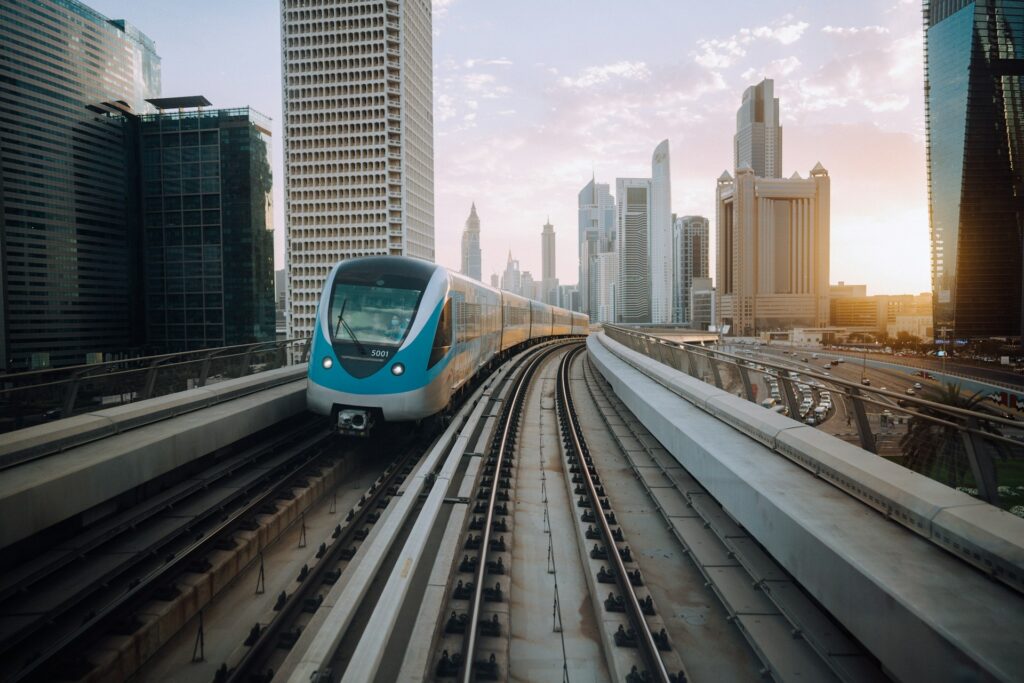
Dubai has built a reputation for being one of the most secure urban environments in the Middle East. Petty crimes like pickpocketing do happen occasionally, especially in crowded tourist areas, but incidents are rare. You’re more likely to misplace your phone than have it stolen.
The city’s laws play a big role in keeping crime low. Harsh penalties for theft, harassment, and public disturbances discourage wrongdoing. It’s not uncommon for residents to leave their bags unattended at cafes or for taxis to return forgotten wallets.
Here’s what travelers often notice:
- Visible yet polite security: Police patrols and CCTV cameras are everywhere, but the atmosphere doesn’t feel tense.
- Low violent crime: Incidents involving tourists are exceptionally uncommon.
- Safe transport: The metro, trams, and taxis are clean, monitored, and reliable even at night.
- Family-friendly vibe: From malls to beaches, Dubai feels built with families and safety in mind.
If you’re used to being cautious in big cities, Dubai might surprise you with how relaxed it feels once you arrive.

Why Dubai Feels Safe: Insights from World Arabia
When we talk about Dubai’s safety, it helps to look beyond numbers and reports. Part of what makes this city feel so secure is the environment it has built – one that celebrates culture, innovation, and everyday life with openness.
At World-Arabia, we see this first-hand. The city’s pulse is captured in stories about local fashion designers, art events, wellness retreats, and business founders who shape modern Dubai. This isn’t just a place of skyscrapers and supercars, it’s a living, creative hub where people from across the world work, build, and connect in a shared space of respect and opportunity.
The sense of safety visitors feel comes from that same atmosphere. When a city invests in beauty, culture, and social connection, it naturally becomes a place where people look out for each other. Exploring Dubai through platforms like world-arabia.com helps travelers understand this deeper layer, how everyday life here blends elegance, ambition, and genuine hospitality.
Local Laws and Why They Matter for Tourists
The UAE’s strict but transparent legal system is one of the main reasons Dubai remains so safe. However, these same laws can surprise first-time visitors who aren’t used to the region’s cultural framework. Knowing what’s acceptable can save you from uncomfortable misunderstandings.
Here are the main things to keep in mind:
- Public behavior: Displays of affection like kissing or hugging are frowned upon in public. Holding hands is fine for married couples but keep it discreet.
- Alcohol consumption: Non-Muslims can drink in licensed venues such as hotels, restaurants, and clubs. Drinking in public or appearing intoxicated outside those places is illegal.
- Drugs and medication: The UAE has a zero-tolerance policy for drugs, and penalties are severe. Even prescription medicines that contain controlled substances require prior approval from the UAE Ministry of Health.
- Dress code: Modest clothing is appreciated in public spaces like malls and markets. Beachwear belongs at the beach, not in city streets.
- Photography: Avoid taking photos of strangers, especially women, government buildings, and military sites. Sharing images without consent can lead to fines.
- Social media: Criticizing the government or posting offensive content can result in legal trouble. Keep online activity respectful.
These laws aren’t designed to intimidate tourists, they exist to maintain harmony in a multicultural environment where millions of people live side by side peacefully.
Everyday Life and Cultural Awareness
Dubai’s population is one of the most diverse in the world, with over 200 nationalities living and working there. Only about 15% of residents are Emirati citizens. The rest are expatriates from India, Pakistan, the Philippines, the UK, Russia, and many other countries.
That diversity makes daily life vibrant but also built around mutual respect. Understanding cultural norms is a simple way to blend in and avoid awkward situations. For example:
- Language: English is widely spoken, so communication is rarely a problem.
- Religion: The UAE follows Islamic principles, but the city accommodates all faiths. You’ll find mosques, churches, and temples coexisting peacefully.
- Ramadan etiquette: During the holy month, avoid eating or drinking in public during daylight hours out of respect. Many restaurants still serve food discreetly indoors.
Dubai’s residents are used to foreigners, and most people are friendly and welcoming. A polite “thank you” or a smile goes a long way in any interaction.
Women’s Safety and Solo Travel
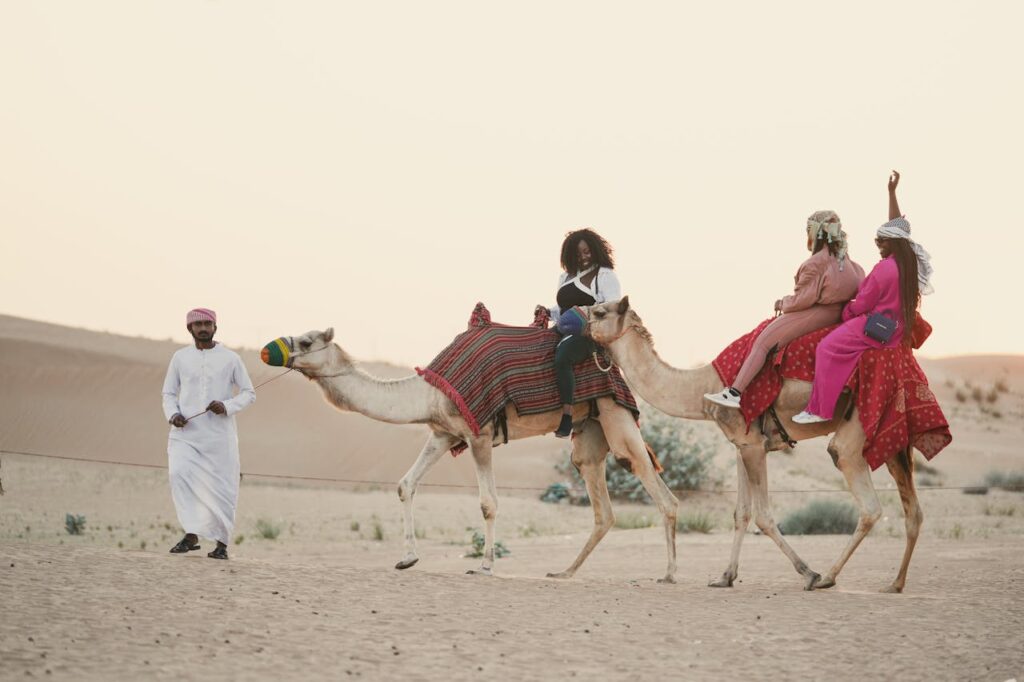
Female travelers often wonder if Dubai is comfortable for solo exploration. The answer is overwhelmingly yes. Women can move around freely, use public transport safely, and visit attractions without concern.
Taxis with female drivers are available (pink-roofed cars), and the metro has women-only carriages during rush hours for those who prefer extra privacy. Catcalling and street harassment are rare, and reporting such behavior is taken seriously by police.
Still, it helps to follow general travel sense:
- Dress modestly in non-tourist areas.
- Avoid isolated locations late at night.
- Use official taxis or ride-hailing apps.
Many women describe Dubai as one of the most comfortable destinations for solo travel in the region.
Health, Weather, and Emergency Services
Dubai’s public infrastructure is first-class, and that includes its emergency response. You can dial 999 for police or medical emergencies, and operators speak English as well as several other languages. Ambulances are modern and well-equipped, while hospitals follow high international standards. For less urgent situations, private clinics across the city offer quick and reliable care.
The biggest health challenge for visitors isn’t safety but the climate. From June to September, temperatures can climb above 45°C, with humidity adding to the intensity. It’s best to limit outdoor activities during peak heat, drink plenty of water, wear light clothing, and protect your skin with sunscreen. When sandstorms reduce visibility, avoid driving and wait until conditions improve.
In contrast, the winter months from November to March bring comfortable weather and clear skies, making them perfect for sightseeing and outdoor activities – one of the many reasons this season draws the largest number of tourists.
Transport and Getting Around Safely
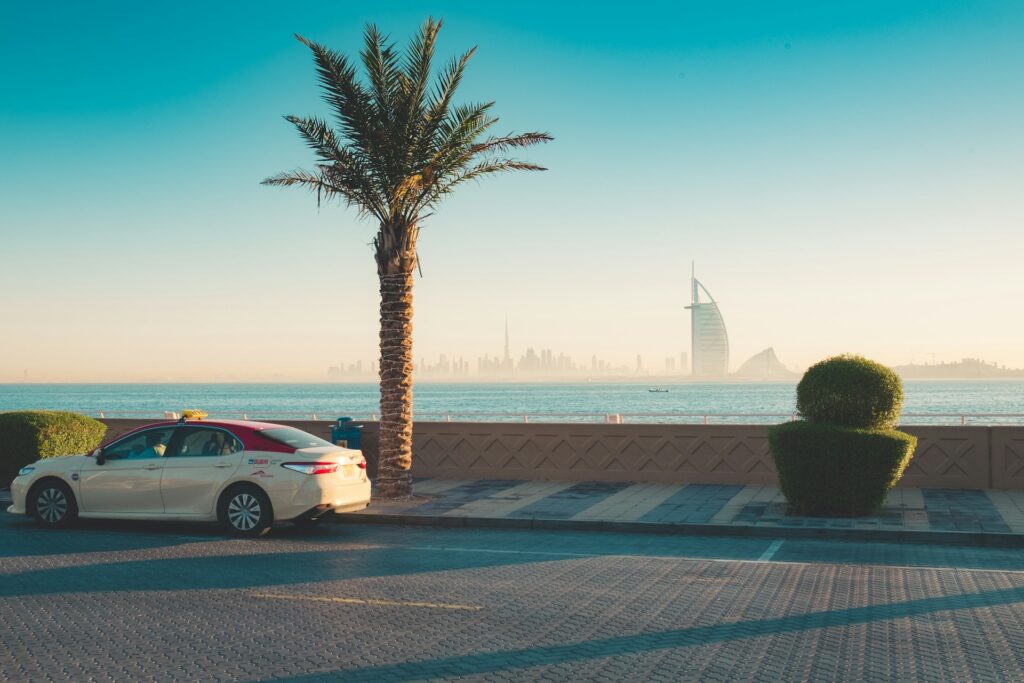
Dubai’s public transport system is one of the cleanest and safest in the world. The Dubai Metro connects major districts, and stations are air-conditioned with security staff on duty.
Other options include:
- Taxis: Reliable, metered, and regulated by the government.
- Ridesharing apps: Uber and Careem are widely used.
- Public buses and trams: Affordable and punctual.
- Water taxis and dhows: Scenic ways to explore older districts like Deira and Bur Dubai.
If you’re driving, remember that traffic can be fast-paced. Local driving habits may feel aggressive compared to other countries, so patience and caution are key. Speeding is the most common cause of accidents, and fines are steep.
Pedestrians should also be alert, cross only at designated lights, as drivers may not always stop unexpectedly.
Political Stability and Regional Security
Dubai’s stability is one of its defining traits. The UAE government maintains strict internal security, and political unrest is virtually nonexistent. However, its location in the Gulf means regional tensions occasionally ripple through the news.
According to The Times (UK) and other reputable outlets, recent Middle East conflicts have had little to no direct impact on Dubai beyond temporary flight delays. The UAE’s diplomatic neutrality and strong international relationships keep it largely insulated from neighboring disputes.
Tourists are unlikely to experience any visible effects of these tensions, though staying informed through reliable news sources is always wise.
LGBTQ+ Travelers and Modern Reforms
While Dubai is progressive in many ways, its legal system remains conservative regarding LGBTQ+ issues. Same-sex relationships are not recognized, and public expressions of affection between couples (of any gender) should be avoided.
That said, enforcement tends to focus on public behavior rather than private life. The UAE government has made gradual reforms in recent years, including easing rules on cohabitation for unmarried couples and updating social laws to reflect its growing international community.
For LGBTQ+ travelers, discretion is the key to a trouble-free trip. Many choose Dubai for its world-class hotels and beaches without incident, as private life is respected when boundaries are observed.
Tips for Staying Safe and Respectful
To make your trip smooth and stress-free, it helps to plan ahead and stay aware once you’re there. Dubai rewards visitors who travel smart and show respect for its culture. Here’s what to keep in mind:
Before You Go:
- Check your country’s latest travel advisory for updates about the region.
- Make sure your passport has at least six months of validity before travel.
- Confirm visa requirements – most nationalities can get a visa on arrival.
- Get travel insurance that includes health coverage, just in case.
During Your Stay:
- Keep both digital and printed copies of your passport and visa.
- Avoid political conversations or comments about religion in public.
- Use official taxis, metro services, or reputable ride-hailing apps only.
- Stay hydrated and limit outdoor activities during the midday heat.
- Dress modestly in public spaces like malls and markets; save beachwear for the beach.
- Be mindful of local customs, especially during Ramadan or public holidays.
If Something Goes Wrong:
- Contact your country’s embassy or consulate in Dubai for guidance.
- Call 999 for emergencies or 901 for non-urgent police inquiries.
- Stay calm, cooperate with local authorities, and follow their directions respectfully.
A little awareness goes a long way in Dubai. Most travelers find that once they understand the rhythm of life here – the balance between modern energy and cultural respect. they feel not only safe but genuinely welcomed.
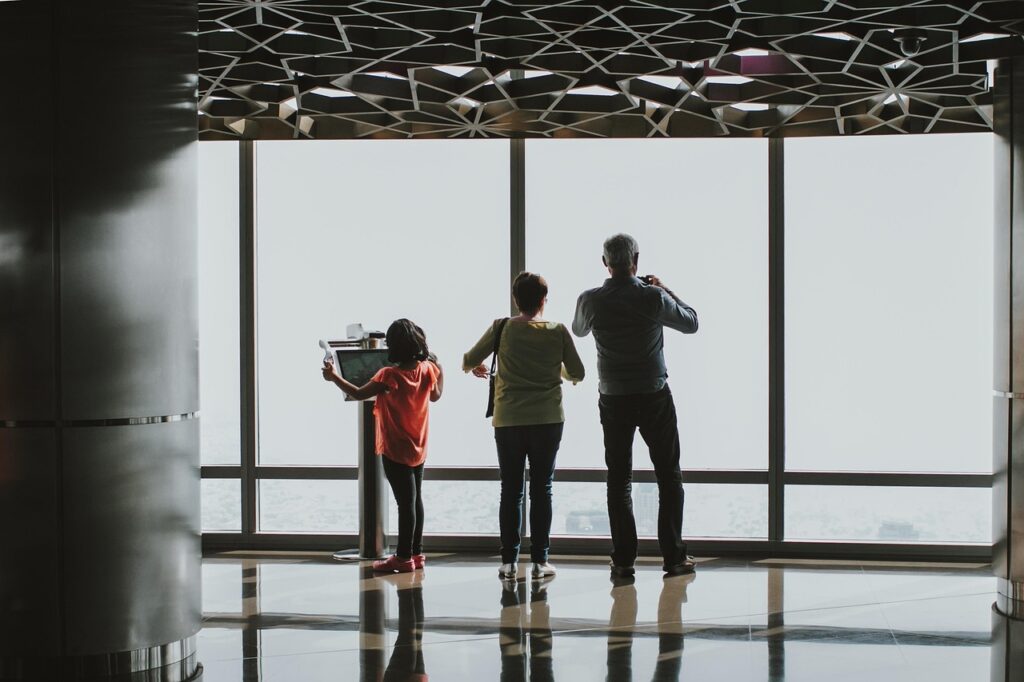
Why Dubai Keeps Getting Safer
Dubai’s leaders have made safety a cornerstone of the city’s identity. Investments in surveillance technology, smart policing, and strong infrastructure have created an environment where people feel secure at every level. The city maintains one of the lowest crime rates in the world, earns consistent praise from visitors for its cleanliness and order, and benefits from law enforcement that responds quickly and effectively when needed.
But safety here goes beyond systems and statistics. It’s rooted in a culture of accountability and mutual respect that shapes everyday life. Visitors sense that from the moment they arrive – how organized everything feels, how people follow rules without tension, and how seamlessly the city blends security with hospitality. It’s one of the reasons so many travelers leave Dubai feeling not just impressed but genuinely at ease.
Final Thoughts: Safe, Modern, and Open to the World
So, is Dubai safe? Absolutely. It’s one of the most secure destinations you can visit today, combining low crime with high comfort. Still, safety isn’t just about statistics, it’s about awareness. Understanding local customs, respecting laws, and using common sense make your visit even better.
Dubai’s real charm lies in how it balances modern freedom with cultural respect. You can explore the desert one day, sip coffee under the Burj Khalifa the next, and feel completely at ease doing both.
Whether you’re traveling solo, with family, or for business, Dubai welcomes you with warmth, order, and a surprising sense of calm in a world that often feels unpredictable.
FAQ
1. Is Dubai safe for first-time visitors?
Yes. Dubai is one of the safest cities in the world, with extremely low crime rates and strong law enforcement. You can walk around comfortably, even at night, as long as you use common sense and stay aware of your surroundings.
2. Are there any areas in Dubai that tourists should avoid?
Not really. Most neighborhoods, from Downtown to Jumeirah and Marina, are well-policed and safe. The only places to be cautious are industrial outskirts or construction zones where there’s little foot traffic.
3. Is it safe for women to travel alone in Dubai?
Absolutely. Dubai is very comfortable for solo female travelers. Public transport, taxis, and most areas are safe at all times. Modest dress and polite behavior are appreciated but not strictly enforced in tourist areas.
4. What are the biggest safety concerns in Dubai?
The main concern is not crime but the weather. During summer months, temperatures can reach 45–50°C, which makes dehydration and heat exhaustion possible. It’s also wise to respect local laws, especially around public conduct and alcohol use.
5. Is it safe to use taxis or public transport?
Yes. Dubai’s public transport system is clean, monitored, and reliable. Official taxis and ride-hailing apps like Careem and Uber are safe and government-regulated.
6. Are there any restrictions on alcohol or public behavior?
Non-Muslims can drink alcohol in licensed venues like hotels, bars, and clubs. Drinking in public or being visibly drunk outside those places is illegal. Public displays of affection, offensive gestures, or loud arguments can also cause trouble.