
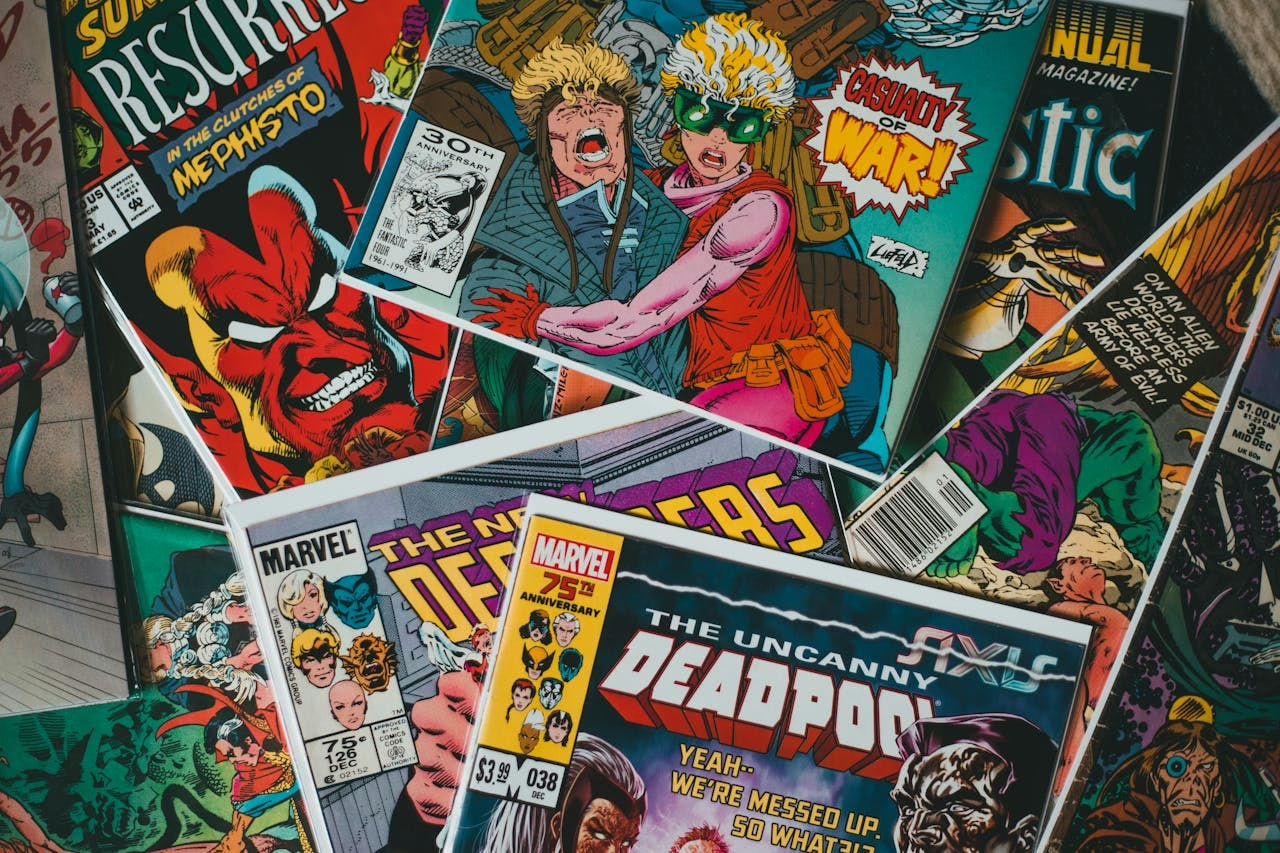
Coming up with a superhero name sounds fun, until you actually try to do it. You jot down a few ideas, say them out loud, and suddenly most of them feel off. Too obvious. Too dramatic. Or worse, like they belong to someone else’s story.
A good superhero name is more than a cool word stitched to a power. It’s a shortcut into the character’s world. It hints at how they move, what they stand for, and how people react when they show up. Some names feel loud and explosive. Others are quiet but heavy, the kind that linger.
This article looks at superhero name ideas from a practical, creative angle. Not just long lists for scrolling, but ways to think about names so they actually fit the character you’re building, whether it’s for a comic, a game, a story, or just an idea you can’t shake.
Start With the Character, Not the Name
One of the most common mistakes is trying to name a superhero before understanding who they are. It feels efficient, but it often leads to regret later.
Before writing down name ideas, slow down and clarify a few things:
- How does this character see themselves
- How does the world see them
- Are they proud of the name, or did it stick by accident
- Is the name chosen, earned, or imposed
A vigilante who never wanted attention will likely carry a very different name than someone who embraces symbolism. A reluctant hero might accept a nickname they dislike. A public figure might shape a name deliberately.
When the name grows out of the character instead of sitting on top of them, it feels natural instead of forced.
The Different Styles of Superhero Names
Not all superhero names aim for the same effect. Understanding the main styles helps you choose the right direction instead of guessing.
1. Mythic and Legendary Names
These names feel larger than life. They often draw from mythology, cosmic imagery, or abstract forces.
They work well for:
- Gods and demi-gods
- Cosmic heroes
- Characters meant to feel timeless
Examples of how these names usually behave:
- Short or ceremonial
- Heavy on symbolism
- Less literal about powers
The risk here is going too grand without substance. A mythic name needs a character who can carry that weight.
2. Modern and Grounded Names
These names feel closer to the real world. They often sound like callsigns, nicknames, or titles that could plausibly emerge naturally.
They work well for:
- Street-level heroes
- Vigilantes
- Characters operating in familiar cities
Traits of grounded names:
- Simple words
- Clear pronunciation
- Often tied to behavior, not powers
They may not sound flashy, but they feel believable. That believability is their strength.
3. Descriptive Power-Based Names
These names hint directly at what the character can do. They are common for a reason. When done right, they are easy to remember and immediately understandable.
They work best when:
- The power is central to the identity
- The tone supports clarity over mystery
Potential downside:
- They can feel generic if overused
- They limit flexibility if powers evolve
A good descriptive name avoids being too literal. It suggests rather than explains.
4. Symbolic and Abstract Names
These names focus less on abilities and more on themes. Fear. Hope. Balance. Chaos. Silence.
They are often:
- Emotion-driven
- Conceptual
- Slightly ambiguous
These names reward curiosity. They ask the audience to lean in. They work especially well in stories that care about psychology and moral tension.
5. Playful or Humorous Names
Not every superhero needs to be serious. Humor has always been part of the genre.
These names fit:
- Comedic stories
- Satirical worlds
- Side characters with strong personality
The danger is going too far. If the name becomes the joke, the character rarely survives past the punchline.
What Makes a Superhero Name Work in Practice
There is no strict formula for a strong superhero name, but certain practical qualities show up again and again. The name should be easy to say without hesitation and simple enough to remember after hearing it once. If people stumble over it or forget it immediately, the connection weakens before the story even begins.
It also needs to feel natural in dialogue. A name might look fine on a page but fall apart when a character has to shout it across a street or whisper it in a tense moment. Try placing the name inside real lines of speech. Let a villain sneer it. Let an ally call for help using it. If it sounds stiff or uncomfortable in motion, that is worth paying attention to.
Finally, a good superhero name holds up across different situations. It should not feel out of place in a quiet scene, an intense confrontation, or a casual exchange. If you hesitate every time you say the name out loud, readers will likely feel that hesitation too.
Superhero Name Ideas by Tone
Below are example-style name ideas, not claims of originality. Use them as inspiration, not as final answers.
Calm but Powerful
- Sentinel
- Northfall
- Anchor
- Quietus
Dark and Stealthy
- Nightpath
- Black Signal
- Umbra
- Veil
Bright and Hopeful
- Beacon
- Daybreak
- Lumen
- Starward
Aggressive and Direct
- Breaker
- Overrun
- Redline
- Hammerfall
Abstract and Symbolic
- Paradox
- Threshold
- Echo
- Afterimage
Use these as starting points. Twist them. Pair them. Strip them down.
Female Superhero Name Ideas
Below are example-style name ideas, not claims of originality. Use them as inspiration, not as final answers.
Strong and Grounded
- Ember
- Rift
- Iron Bloom
- Stoneveil
Calm and Controlled
- Stillwater
- Afterglow
- Quiet Dawn
- Moontrace
Dark and Elusive
- Nightreach
- Black Iris
- Shadowmere
Bright and Resilient
- Beacon Vale
- First Spark
- Aurora Crest
Use these as starting points. Adjust the tone, combine elements, or simplify until the name fits the character naturally.
Superhero Name Ideas by Personality
Below are example-style name ideas, not claims of originality. Use them as inspiration, not as final answers.
Protective and Defensive
- Bulwark
- Wardline
- Safehold
Restless and Driven
- Slipstream
- Crossfade
- Momentum
Quiet and Observant
- Long Watch
- Dead Calm
- Silent Mark
- Second Sight
Rebellious and Unpredictable
- Wildcard
- Breakpoint
- Static
- Fracture
Reflective and Moral
- Compass
- True North
- Lineholder
- Final Measure
Use these as foundations, then refine them to match how the character thinks and reacts under pressure.
Superhero Name Ideas by Power Expression
Below are example-style name ideas, not claims of originality. Use them as inspiration, not as final answers.
Energy and Force
- Pulse
- Overcharge
- Kinetic
- Surgefield
Speed and Motion
- Slipcut
- Flashpoint
- Crosswind
Control and Precision
- Needle
- Fine Line
- Vector
- Lockstep
- Dead Angle
Endurance and Survival
- Last Stand
- Stonewake
- Hardpoint
- Carry On
- Remain
Reality and Perception
- Ghost Signal
- Blind Spot
Use these as raw material. Shorten them, soften them, or reshape them until the name feels natural in dialogue and action.
Common Naming Mistakes That Cause Regret Later
Many naming mistakes feel harmless at first. They become problems over time.
Some of the most common ones include:
- Choosing a name because it sounds trendy right now
- Prioritizing cleverness over clarity
- Ignoring how the name sounds out loud
- Not checking similar names in the same genre
- Falling in love with a name before testing it
A name should survive repetition. If it feels tiring or awkward after saying it a few times, that is a warning sign.
Choosing a Name You Can Grow With
The best superhero names age quietly. They do not rely on buzzwords or gimmicks. They leave room for evolution.
A good final check is this question:
Does this name still make sense if the character changes slightly in five years?
If the answer is yes, you are probably close.
Final Thoughts
Superhero names are not about sounding impressive. They are about sounding right. The right name feels like it belongs to the character, not like it was chosen to impress an audience.
Take your time. Say names out loud. Let them sit. Good names do not rush. They settle.
And when the right one lands, you usually know.
Frequently Asked Questions
How do I know if a superhero name actually fits my character?
A name fits when it feels natural in use. Say it out loud in different situations. Let another character shout it, whisper it, or say it casually. If it sounds comfortable every time and does not feel forced or awkward, you are likely on the right track. A good name should feel like it belongs to the character, not like it was added later.
Should a superhero name describe powers directly?
Not always. Some of the strongest superhero names suggest mood, values, or presence rather than abilities. Direct power-based names can work, especially in more traditional or playful stories, but symbolic or indirect names often age better and give the character more room to grow.
Is it better to use one-word or two-word superhero names?
Both can work. One-word names often feel iconic and abstract, while two-word names usually offer more clarity or contrast. The choice depends on tone and context. If the name sounds right in dialogue and matches the character’s role in the story, the structure matters less.
How can I avoid cliches when creating a superhero name?
Avoid rushing the process. Test multiple variations and pay attention to how familiar they sound. If a name feels like something you have heard many times before, it probably is. Mixing unexpected ideas, focusing on personality rather than power, and simplifying instead of adding layers often helps avoid tired patterns.