
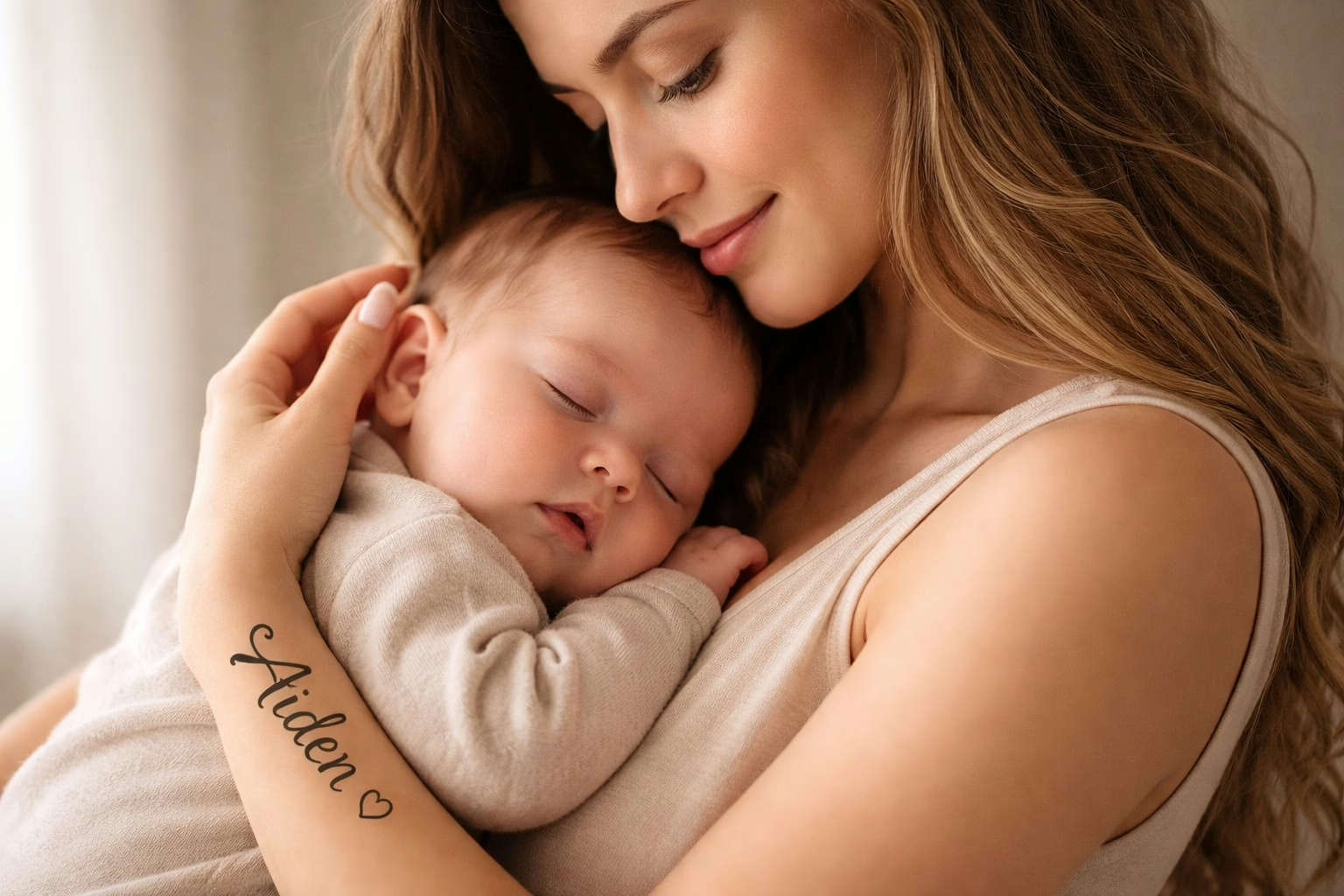
Getting a baby’s name tattooed is rarely about decoration. It’s about marking a moment that quietly reshaped everything. For some parents, it’s the first name they ever whispered. For others, it’s a reminder of how fast time moves once someone new enters your life.
Baby name tattoos work best when they feel intentional rather than dramatic. A small name on the wrist. A date tucked into a line design. A symbol that only makes sense to you. This article looks at baby name tattoo ideas that hold meaning without trying too hard, designs that age well and still feel right years down the line.
Why Parents Choose Baby Name Tattoos
For many parents, a baby name tattoo is not planned far in advance. It often comes after a quiet moment. Sometimes it is after birth, sometimes months later, and sometimes years after becoming a parent.
There are a few common reasons these tattoos feel so compelling.
- First, names are deeply specific. Unlike symbols or images, a name cannot be mistaken for something else. It belongs to one person, one story, one relationship.
- Second, parenthood is permanent. Tattoos share that quality. For people who already feel comfortable with ink, connecting the two feels natural rather than dramatic.
- Third, baby name tattoos often act as anchors. In difficult seasons, they remind parents who they are responsible for. In calm seasons, they feel like quiet affirmations rather than statements.
This combination of permanence, identity, and emotion is why baby name tattoos continue to be popular across styles, cultures, and generations.
Simple Name Tattoos That Stand the Test of Time
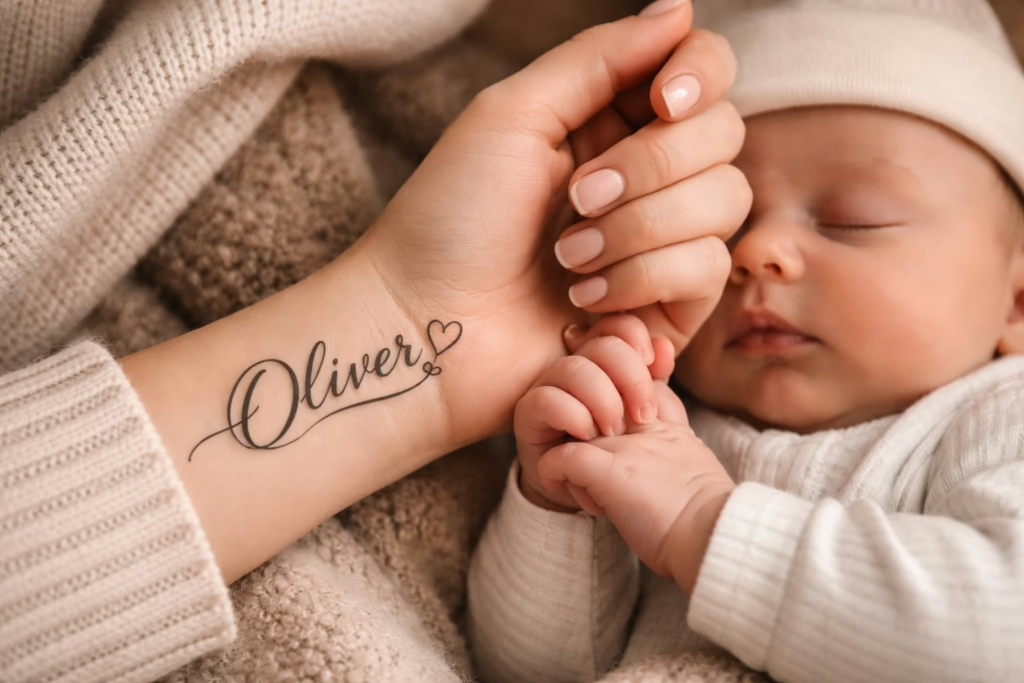
Not every meaningful tattoo needs a symbol, illustration, or elaborate layout. In many cases, a name on its own is enough.
Simple name tattoos tend to age better because they rely less on trends and more on proportion, placement, and typography.
Some common approaches include:
- First name only, without additional elements
- Full name written in a clean, readable script
- Lowercase lettering for a softer visual presence
- Small scale tattoos placed where they can be easily covered
A name tattoo works best when the font feels natural to read. Overly stylized lettering can look impressive at first but may become harder to appreciate over time. Many tattoo artists recommend testing fonts by writing the name on paper, printing it in different sizes, and seeing how it feels after a few days.
Simplicity is not a lack of meaning. Often, it is a sign that the meaning is already clear.
Combining Baby Names With Dates and Numbers
Adding a date to a baby name tattoo can give context without overwhelming the design. Birthdates are the most common choice, but they are not the only option.
Parents sometimes include:
- Date of birth
- Time of birth
- Adoption date
- Year only, instead of a full date
Roman numerals are popular because they add structure without feeling overly literal. Arabic numerals, on the other hand, feel more direct and personal.
If you are considering numbers, spacing matters more than decoration. A name with a small date beneath it often feels more balanced than placing everything on one line. Some parents prefer keeping the date subtle, allowing the name to remain the focal point.
This approach works especially well for parents who want meaning without visual complexity.
Heartbeat and Line-Based Designs With Names
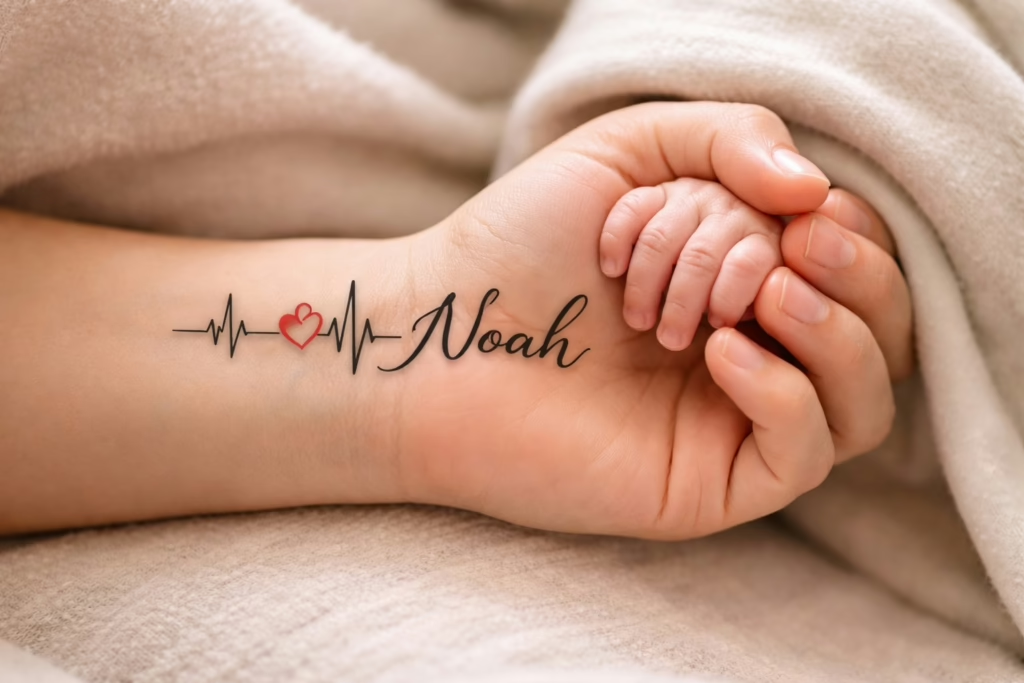
Heartbeat tattoos have become a recognizable symbol of parenthood, but the most effective ones avoid clichés and lean toward restraint.
Rather than exaggerated ECG waves or oversized hearts, many parents choose thin line designs that include:
- A single heartbeat line flowing into the name
- A minimal heart shape embedded in the line
- A straight line that subtly breaks to form letters
What makes these designs work is scale. A clear, well-spaced line ensures the design remains legible over the years, as very small or tightly packed lines can blur together over time. This approach works best in areas with enough flat surface to maintain the design’s integrity.
These tattoos are often placed on the wrist, collarbone, or upper chest. Locations where the heartbeat metaphor feels natural rather than symbolic.
For parents who want a visual connection to life and presence without relying on figurative imagery, line-based designs offer a quiet solution.
Handwriting Tattoos and Personal Scripts
Few baby name tattoos feel as personal as those done in handwriting. This can be the parent’s handwriting, a partner’s, or even a sibling’s.
Handwriting tattoos carry imperfections. Uneven curves, slightly inconsistent spacing, small quirks that would normally be edited out. These imperfections are exactly what make the tattoo feel real.
Popular options include:
- A parent’s handwriting from a journal or note
- A partner’s handwriting from a card or message
- An older child writing the baby’s name
- A traced version of a handwritten signature
The key with handwriting tattoos is clarity. Tattoo artists often clean up spacing while preserving the original shape. This ensures the tattoo remains readable while still feeling authentic.
This type of tattoo works particularly well for parents who value emotional accuracy over visual perfection.
Footprints, Handprints, and Physical Imprints
Some parents want their baby name tattoo to reflect not just identity, but scale. How small their child once was. How quickly those details disappeared.
Footprint and handprint tattoos do exactly that.
These designs often include:
- A newborn footprint with the name below
- A baby handprint paired with initials
- Multiple prints for siblings, arranged carefully
When done well, these tattoos feel documentary rather than decorative. They capture a moment that can never be repeated.
Because prints require detail, placement matters. Areas like the upper arm, shoulder, or chest provide enough space without distortion.
These tattoos tend to resonate most with parents who value memory preservation and physical reminders of early parenthood.
Symbols That Pair Naturally With Baby Names
Symbols allow parents to layer meaning without relying solely on text. The most effective symbols are not generic, but chosen for personal reasons.
Common symbolic pairings include:
- Hearts, used sparingly and proportionally
- Birds, often representing protection or freedom
- Arrows, symbolizing direction and purpose
- Trees, reflecting growth and family roots
- Stars, used as subtle accents rather than focal points
What matters most is relevance. A symbol should connect to your experience, not just the idea of parenthood.
For example, a bird might represent resilience for one parent and peace for another. The meaning does not need to be obvious to outsiders.
When symbols are used thoughtfully, they enrich the name rather than compete with it.
Floral and Nature-Inspired Name Tattoos
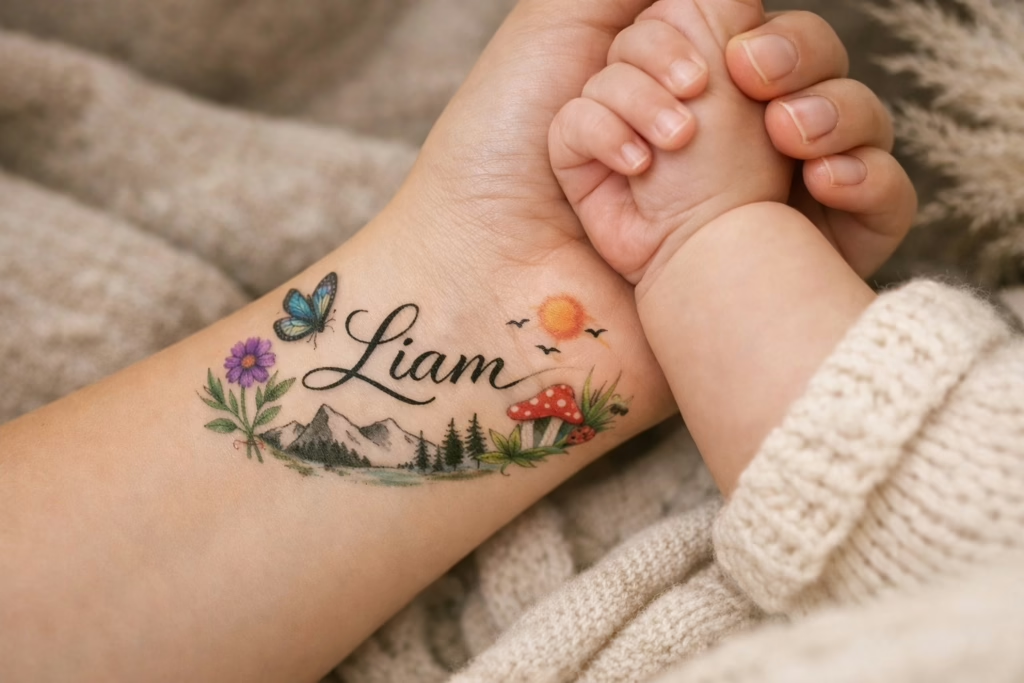
Flowers and natural elements are often associated with baby name tattoos, especially when parents want a softer visual tone.
Instead of generic roses or decorative vines, many parents choose:
- Birth flowers linked to the month of birth
- Simple botanical line drawings
- Leaves or branches framing the name
- Minimal floral accents rather than full bouquets
Nature-based designs work best when they support the name rather than surround it completely. Negative space plays a large role here.
These tattoos often feel less like statements and more like quiet personal markers, which is exactly why many parents prefer them.
Minimalist vs Illustrative Baby Name Tattoos
One of the first decisions many parents face is whether they want their baby name tattoo to feel quiet and understated or more expressive and detailed. Both directions can work beautifully, but they communicate very different things.
Minimalist Baby Name Tattoos
Minimalist designs focus on restraint. They are often small, simple, and easy to live with over time. These tattoos tend to blend into daily life rather than demand attention.
Common traits include:
- Clean, uncluttered lines
- Smaller scale designs
- Limited or no shading
- Subtle placement on the body
Because they rely on simplicity, minimalist tattoos usually age well and are easier to build on later if you plan to add more names or elements.
Illustrative Baby Name Tattoos
Illustrative tattoos lean into storytelling. They often use imagery to show connection, memory, or emotion rather than just stating it.
These designs may include:
- Silhouettes of a parent and child
- Portrait-style line drawings
- Detailed symbolic elements
- Larger, more visible compositions
Illustrative tattoos can feel deeply personal and visually striking, but they depend heavily on the skill of the tattoo artist. Choosing the right artist matters more here than with simpler designs.
Tattoos for Parents With Multiple Children
When more than one child is involved, balance becomes the main concern.
Some thoughtful approaches include:
- Stacking names vertically in the same font
- Using initials rather than full names
- Incorporating names into a shared symbol
- Leaving intentional space for future names
Consistency matters. Using the same font, size, and placement helps avoid the feeling that one name was added as an afterthought.
Planning ahead can prevent regret later, especially if you think your family may grow.
Placement Choices and What They Communicate
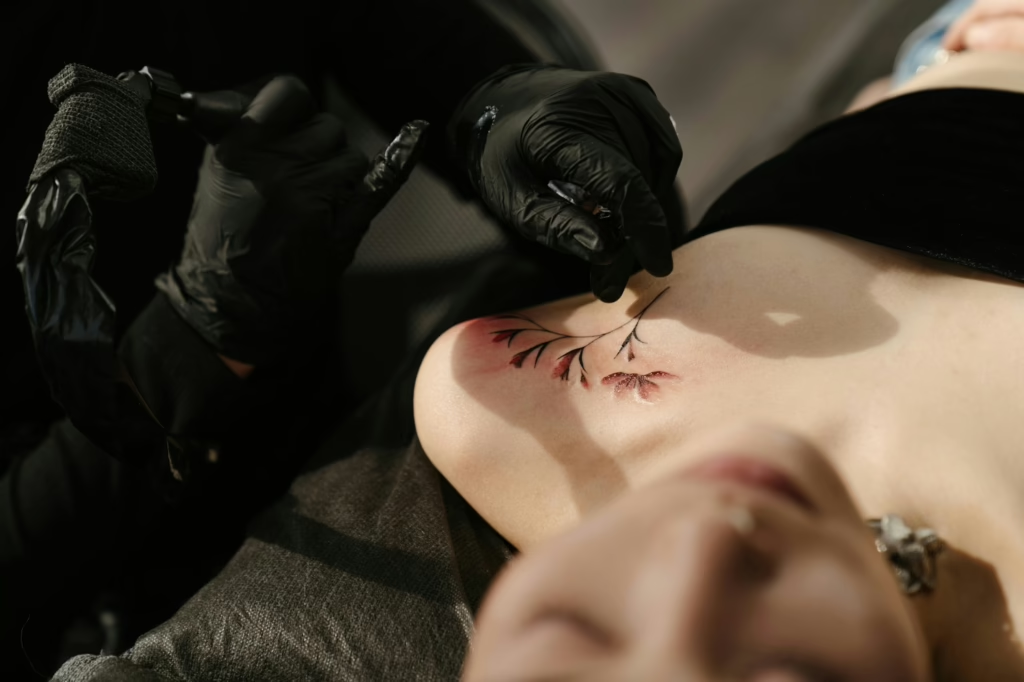
Placement affects how a baby name tattoo feels just as much as the design itself. The same name can carry very different weight depending on where it sits on the body.
Some parents choose areas like the wrist or forearm because they want to see the name throughout the day. These placements turn the tattoo into a daily reminder, something visible during routine moments rather than special occasions. Others lean toward the chest or rib area, keeping the name closer to the heart and away from constant view. This approach often feels more private and personal.
Shoulders and upper arms tend to offer a sense of balance. They provide enough space for clean designs without making the tattoo overly visible. Larger or more detailed tattoos often work better on the back or side, where there is room for the design to breathe without feeling crowded.
There is no correct choice here. The best placement is the one that matches how personal you want the tattoo to feel and how you want it to exist in your everyday life. It is also worth thinking ahead. If you plan to add more names in the future, choosing a placement that allows the design to grow naturally can save you from difficult adjustments later.
Practical Things to Think About Before Getting Inked
Before committing to a baby name tattoo, it helps to slow down and look at the decision from a practical point of view, not just an emotional one. Strong feelings often drive these tattoos, but taking a moment to think things through can save you from second-guessing later.
Ask yourself:
- Does this design still feel right without emotion attached: Try to look at the tattoo as if it belonged to someone else. Does it feel balanced and intentional on its own, or does it rely heavily on the emotion of the moment? A strong design should hold up even when feelings settle into everyday life.
- Will this font remain readable over time: Some fonts look beautiful on paper but lose clarity as the ink ages or spreads slightly. Thin lines, heavy flourishes, and overly decorative scripts can become harder to read over the years, especially in smaller tattoos.
- Does the placement work with my lifestyle: Think about visibility, work environments, clothing, and how often you want to see the tattoo. A placement that feels exciting now should still feel comfortable in different stages of life, not just right after becoming a parent.
- Am I comfortable explaining this tattoo if asked: People often ask about name tattoos. If you prefer keeping things private, a subtle placement or minimal design may feel better than something highly visible or symbolic.
It is also wise to sit with the design for a while. Print it. Save it on your phone. Look at it after a stressful day and again when you feel calm and clear-headed. Meaningful tattoos tend to hold up in both moments, which is usually a good sign you are making the right choice.
Final Thoughts
Baby name tattoos do not need to be elaborate to be powerful. In fact, the most lasting designs often feel almost understated. A name, placed with intention. A small detail that carries years of memory.
The goal is not to impress anyone else. It is to create something that still feels right when the initial emotion settles into everyday life.
If you choose a design that reflects your experience rather than an idealized version of parenthood, you are far more likely to love it long term. And that, more than anything, is what makes a baby name tattoo truly meaningful.
Frequently Asked Questions
Is it better to tattoo a baby’s full name or just the first name?
There is no universal rule here. Many parents choose just the first name because it feels more intimate and visually lighter. Full names can work well too, especially if the design is simple and the spacing is handled carefully. The best choice is the one that feels natural to you when you picture it years from now.
What is the most timeless baby name tattoo style?
Simple lettering tends to age the best. Clean fonts, minimal embellishment, and balanced placement usually hold up better over time than highly decorative or trend-driven designs. Timeless tattoos often look almost understated at first glance.
Where is the best place to tattoo a baby’s name?
That depends on how personal you want the tattoo to feel. Some parents prefer visible areas like the wrist or forearm for a daily reminder. Others choose the chest, ribs, or shoulder for something more private. The best placement is one that fits your comfort level and lifestyle.
Can I add more names later if I have more children?
Yes, but it helps to plan ahead. Choosing a font, layout, and placement that allows for future additions can prevent the tattoo from feeling crowded later. Many parents leave intentional space or use designs that can expand naturally.
Are handwriting tattoos a good idea long term?
Handwriting tattoos can be very meaningful, especially when they come from a parent, partner, or child. The key is clarity. A skilled tattoo artist can preserve the character of the handwriting while adjusting spacing and line weight so it remains readable as the tattoo ages.