
Returning an item on Amazon is usually described as simple, fast, and stress free. And often, it really is. A few clicks, a QR code, a drop off point nearby, and you are done.
But the moment something goes slightly off script, a late drop off, a missing accessory, a refund that takes longer than expected, the process suddenly feels less transparent. People start asking questions they did not think about when they clicked Buy Now.
This article explains what actually happens after you start a return. Not the marketing version. The real flow, the timelines, the checks, the fees, and the situations where things can slow down or change. If you want to understand how Amazon handles returns from start to finish, this guide walks through it step by step.
The Basic Return Window: What Most People Fall Under
For the majority of physical products, Amazon works on a simple rule:
You usually have 30 days from delivery to start a return.
That applies to most everyday items like electronics, home goods, clothing, and accessories, as long as they are sold or fulfilled by Amazon or by a seller following Amazon’s standard policy.
A few things matter here more than people expect:
- The countdown starts from delivery, not purchase
- The return must be initiated within the window, not completed
- The item condition still matters, even if the return window is open
Once you submit a return request within that period, Amazon gives you a return by date. That date is not flexible. Missing it can lead to late fees or a rejected return.
Seasonal and Category Based Extensions
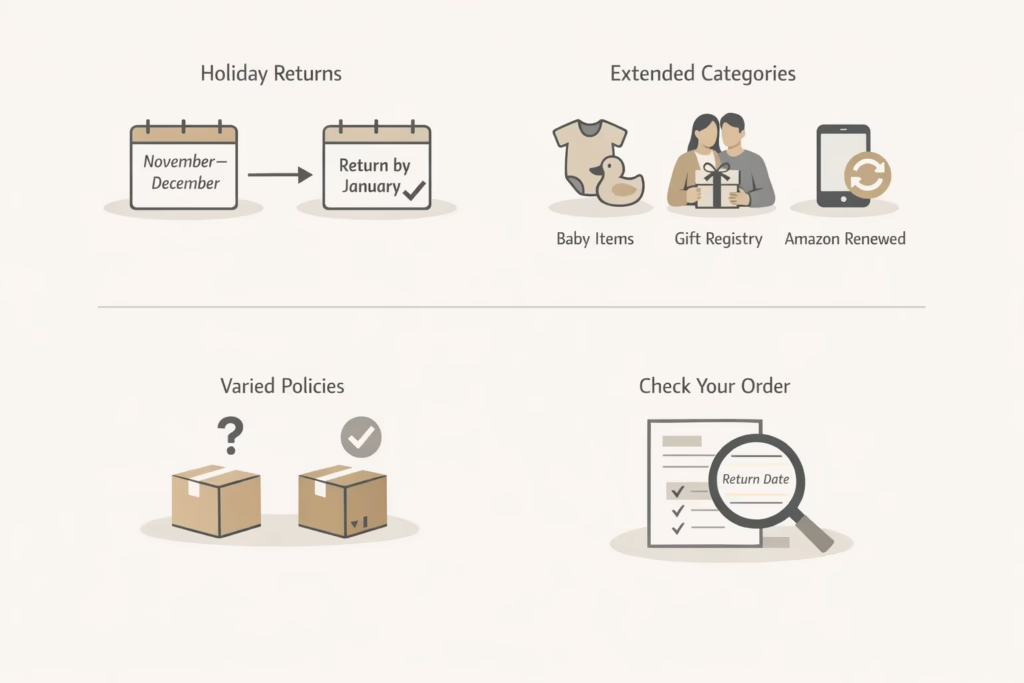
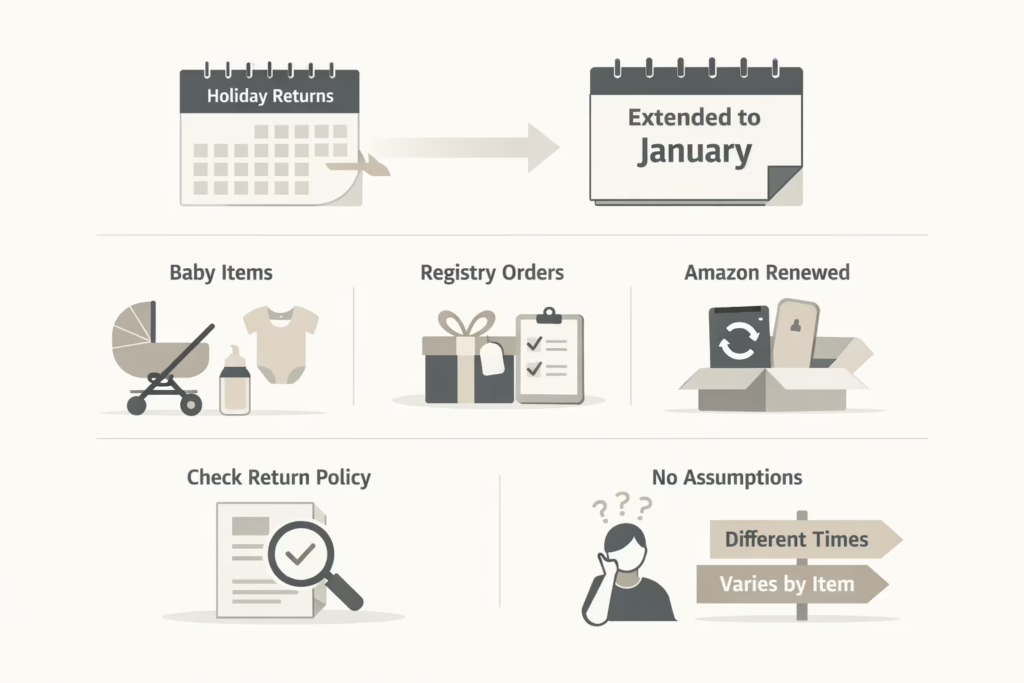
During peak shopping periods, Amazon adjusts its rules slightly. The most visible example is the holiday season, when many items purchased in November and December can be returned well into January.
Some product categories also operate on longer timelines regardless of season. Baby products, registry purchases, and Amazon Renewed items may follow different rules depending on condition and listing type.
The key point is that extensions are not universal. They depend on timing, category, and sometimes the seller. The only reliable source is the return eligibility shown in your order details, not assumptions based on past purchases.
Starting a Return: What the System Registers
When you initiate a return, Amazon immediately logs several details. The reason you select, the method you choose, and the deadline you accept all become part of the return record.
That reason selection is more than a formality. It influences whether return shipping is free, how closely the item is inspected, and in some cases how fast the refund is released. Choosing an inaccurate reason can slow the process later, especially if the item condition does not match the claim.
Once the return is created, Amazon assigns a return by date. That date is fixed. Missing it can trigger late fees or void an advanced refund.
How Returned Items Are Actually Handled
After drop off or pickup, the item travels back either to an Amazon facility or to a third party seller. At that point, the return is still considered pending.
The item is checked against what was expected. Amazon looks for the correct product, verifies included accessories, and compares condition to what is reasonable for the return reason selected. Most inspections are fast, but anything that looks inconsistent can slow approval.
This step explains why some refunds feel instant and others take weeks. The refund clock does not start at drop off. It starts after inspection.
Refund Timing: Why Speed Depends on More Than Amazon
Once Amazon approves the return, the refund is issued. From there, timing depends largely on your payment method rather than Amazon itself.
Typical Refund Processing Times
| Refund Method | Estimated Time After Approval |
| Amazon Gift Card balance | 2 to 3 hours |
| Credit card | 3 to 5 business days |
| Debit card | Up to 10 business days |
| Bank account | Several business days |
| Prepaid card | Up to 30 days |
| Promotional credits | No refund issued |
Advanced refunds follow a different logic. In those cases, Amazon issues the refund before receiving the item. If the return is late or incomplete, charges may be applied until the return is resolved.
Partial Refunds: When the Math Changes
Partial refunds are one of the most misunderstood parts of Amazon’s return policy.
They usually happen when:
- The item shows clear signs of use
- Parts, manuals, or accessories are missing
- The packaging is damaged in a way that affects resale
- The item does not match the return reason
Amazon deducts a percentage of the item price based on the condition issue. This can range from small deductions to significant ones, depending on the product category.
Some product types, like opened software or collectible items, may receive no refund at all once opened.
Fees, Deductions, and When Returns Are Not Free
Shipping Fees for Oversized and Special Items
While many Amazon returns include free shipping, not every return is cost neutral. Fees most often appear when an item requires special handling. Heavy or bulky products typically fall into this category. Because these returns may involve oversized packaging, scheduled pickups, or specialty carriers, Amazon can deduct a return shipping fee based on the item’s size, weight, and delivery method.
Late Returns and Time Based Penalties
Timing also affects how much money comes back to you. If a return is initiated on time but dropped off after the return by date, Amazon may apply a late fee. These deductions usually start as a percentage of the item price and can increase the longer the delay continues. In some cases, returning an item far past the deadline can result in a drastically reduced refund or no refund at all.
Condition Related Deductions
Item condition plays an equally important role. Returns that arrive with visible signs of use, missing accessories, or damage unrelated to shipping often trigger partial refunds. Depending on the product category, deductions can reach up to half of the item’s original price. The more an item’s resale value drops, the more likely the refund amount is reduced.
Why Fees Are Rarely Reversed
All potential charges are shown during the return process, but they are easy to overlook when moving quickly through the steps. Once a fee or deduction is applied, it is rarely reversed unless the return qualifies as defective, incorrect, or damaged during delivery. This is why reviewing return details carefully before completing the process can prevent surprises later.
Items That Cannot Be Returned
Certain products are excluded from standard returns. This includes perishables, customized items, pharmacy products, and some digital content.
Final sale items are also non returnable, even if unused. However, if a non returnable item arrives damaged or materially different from the listing, Amazon may still offer a refund or replacement as an exception.
The difference is important. Exceptions are handled manually and often require customer service involvement.
Buying From Third Party Sellers
When a seller fulfills their own orders, the return does not go back to Amazon. Instead, it is sent directly to the seller.
Sellers are required to offer a return address in the United States, provide a prepaid label, or issue a refund without requesting the item back. Refund timing and communication may vary.
If a seller fails to follow Amazon’s rules, the A to Z Guarantee exists as a fallback, but it usually requires additional steps and patience.
International Returns: Slower by Design
Returns involving international shipping naturally take longer. Transit time alone can add weeks to the process. Some international returns require customers to pay shipping upfront, with partial reimbursement later.
Refunds only begin processing after the item reaches its destination. Amazon may automatically reimburse a capped amount for return postage, but exceeding that cap typically requires contacting support with documentation.
Returning Gifts and Registry Items
Gift returns work differently from standard returns. Refunds often go to a gift balance instead of the original payment method. Exchanges may be limited or unavailable.
Registry purchases may follow extended timelines, especially for wedding or baby registries. As always, the order details determine eligibility, not the product category alone.
Account Level Monitoring: The Quiet Factor
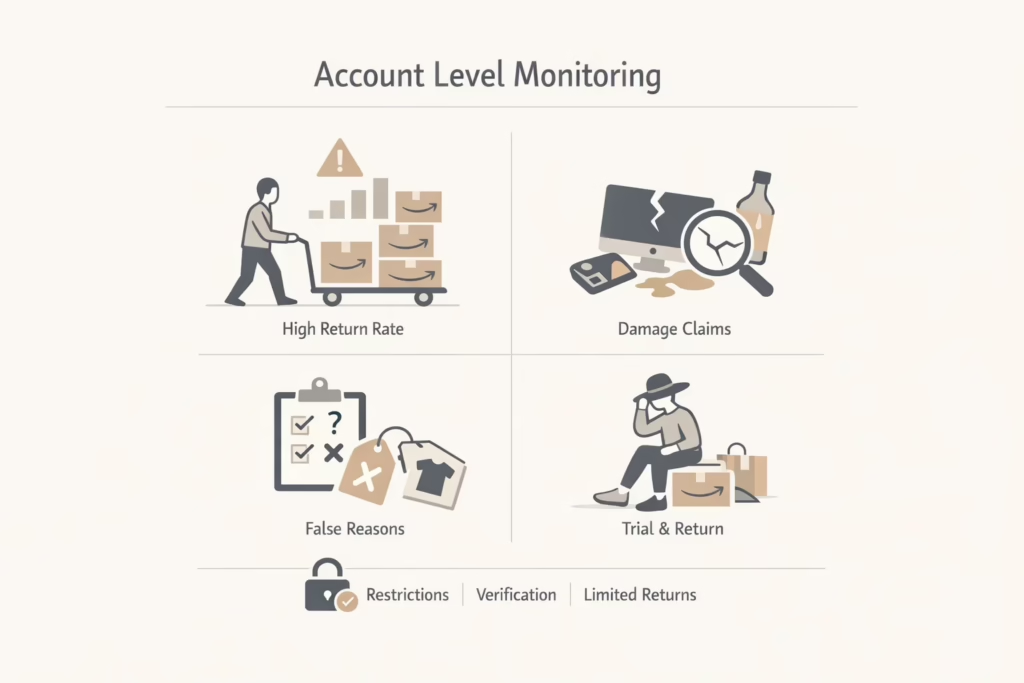
Amazon monitors return activity at the account level. For most customers, this has no visible impact at all. Returns flow normally, refunds arrive on time, and nothing feels restricted.
Issues tend to appear only when patterns start to stand out. This can include:
- Consistently high return rates across many orders
- Frequent claims of items arriving damaged or defective
- Repeated returns that do not match the stated reason
- Behavior that suggests trial use rather than normal purchasing
When this happens, Amazon may limit certain return options, require additional verification, or adjust eligibility for free returns. These measures are uncommon, but they exist as part of the policy and are meant to prevent abuse rather than penalize occasional returns.
Practical Tips That Actually Help
If you want returns to go smoothly, a few small habits make a bigger difference than most people expect. Amazon’s system is predictable, but it relies on timing and accuracy more than flexibility.
- Start the return as soon as you know you will not keep the item. Waiting until the last few days increases the risk of missing the drop off deadline, especially during busy periods or holidays.
- Read the return instructions for each product. Not all items follow the same rules. Some must be boxed, others must not, and mixing instructions can delay processing.
- Return everything that came with the item. Missing cables, manuals, or accessories are one of the most common reasons for partial refunds.
- Drop off the return before the deadline shown in your confirmation. Initiating a return on time does not protect you from late fees if the item is returned late.
- Keep receipts, QR confirmations, or tracking details until the refund clears. These are useful if a return stalls or needs follow up with customer support.
Most return problems do not come from complicated rules or hidden policies. They usually come from small details being missed or steps being rushed. Slowing down slightly during the return process often saves time and frustration later.
Final Thoughts: Predictable Once You Know the Flow
Amazon’s return policy is flexible, but it is structured. Every return follows a path, and delays or deductions usually trace back to one specific step.
Once you understand how Amazon evaluates returns, sets deadlines, and processes refunds, the system becomes predictable. Not perfect, but consistent. And that consistency is what makes returns feel easy when everything lines up.
Frequently Asked Questions
How long does it really take to get a refund from Amazon?
After Amazon receives and processes your return, refunds are usually issued quickly. Gift card refunds can appear within hours, while credit and debit cards often take several business days. Delays usually come from bank processing, not Amazon itself.
Does Amazon refund items before they receive them?
Sometimes. Amazon may issue an advanced refund when the return carrier first scans your item. This is more common for low risk returns. If the item is not returned on time or arrives in poor condition, Amazon can reverse or charge back that refund.
Why was my refund only partial even though I returned the item?
Partial refunds usually happen when an item shows signs of use, is missing accessories, or arrives back in a condition that lowers its resale value. Even if the return was initiated on time, condition still affects the final refund amount.
Can I return an item after the 30 day window?
In most cases, no. Amazon is strict about return deadlines. Some seasonal or category based exceptions exist, but once the return window closes, returns are usually denied unless the item is defective or incorrect.
Are all Amazon returns really free?
No. Many are free, but not all. Heavy or bulky items, late returns, and items returned in poor condition may include fees or deductions. The return method you choose can also affect whether shipping is free.