

Renting a car should be as straightforward as possible, and having a solid car rental agreement in place can make all the difference. Whether you’re running a small rental business or just need a simple agreement for a one-time rental, using a template can save you time and ensure that all the important details are covered. Here, we’ve got a free, easy-to-use car rental agreement template ready for you to personalize and use. Let’s dive into why having a solid agreement is essential, and how this template can simplify the process for you.
Why a Car Rental Agreement Matters
When you rent a car, you’re entering a legal relationship with another person or business. A written agreement makes that relationship clear and reduces the risk of misunderstandings. Here’s why:
- It protects both parties by clearly stating rights and duties.
- It sets expectations for things like payment, vehicle condition, and usage.
- It helps avoid disputes by documenting agreed terms in writing.
- It supports legal enforcement if something goes seriously wrong.
Relying on a verbal agreement is risky. People may remember things differently, and there’s no record to refer back to. A written agreement is your best defense and your best guide.
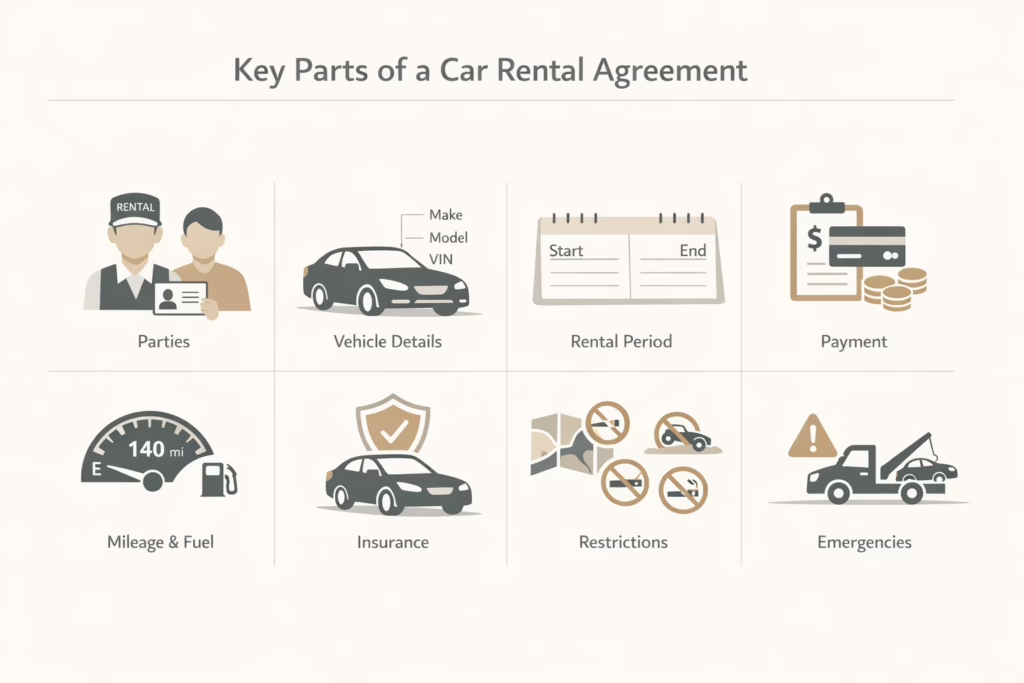
Key Parts of a Car Rental Agreement Template
A good template includes several basic components. Below is a breakdown of what you’ll often find and why it’s important.
Identification of the Parties
This section names who is involved. Usually:
- Owner or Rental Company: The person or business renting out the car.
- Renter: The person who will be driving and responsible for the car.
You want full names, contact information, and sometimes driver’s license or ID numbers.
Vehicle Details
This identifies the car that is being rented. Typical entries include:
- Make and model
- Year
- Color
- Vehicle Identification Number (VIN)
- License plate number
- Current condition (noted so there’s a baseline for return inspection)
This section prevents confusion about which car was rented and its state at the start.
Rental Period
Here you record when the rental begins and ends. It may include start date and time, end date and time, rules for early return or late return.
Clearly documenting time helps avoid disputes about extra charges.
Payment Terms
This explains how much the renter pays and when. It usually includes:
- Daily or total rental fee
- Security deposit amount
- Payment method (cash, card, bank transfer)
- Penalties for late payment or late return
Be specific so both sides know the exact financial terms.
Mileage and Fuel Policy
The mileage and fuel policy section of a rental agreement typically outlines how mileage is handled, including any limits on the number of miles or kilometers allowed during the rental period. If the renter exceeds this limit, additional charges may apply. The agreement should also specify the fuel expectations, such as whether the vehicle needs to be returned with a full tank or if a refueling fee will be charged. It’s important to ensure this section aligns with your expectations to avoid surprises later.
Insurance and Liability
This section outlines the responsibility for damage, loss, or accidents during the rental period. It specifies whether insurance is included, the type of coverage provided, and who is responsible for paying deductibles or any costs not covered by insurance. Clarifying these details is crucial to ensure both parties understand their financial responsibilities and avoid confusion in the event of an issue.
Use Restrictions
This sets boundaries on how the vehicle can be used, for example:
- Areas where the car may or may not be driven.
- Prohibitions on towing, racing, off-road use, etc.
- Whether pets or smoking are allowed.
Clear rules reduce the chance of misuse.
Breakdown and Accident Procedures
The breakdown and accident procedures section outlines the steps to take if the car experiences a mechanical issue or is involved in an accident. It specifies who the renter should contact in such situations, what documents need to be completed, and who is responsible for handling towing or repairs. This section ensures that clear steps are in place, so nothing is left to chance, providing both the car owner and renter with a structured approach to addressing any problems that may arise.
Complete Example: Car Rental Agreement
Below is a complete example agreement you can adapt. It follows the structure above but uses plain language you can edit for your own use.
1. Introductory Part
CAR RENTAL AGREEMENT
This Car Rental Agreement (the “Agreement”) is entered into on this ___ day of ________, 20_____ by and between: ______________________________________________
Car Owner / Rental Company Name: _______________________________
Address: _________________________________________________________
Phone: ___________________ Email: _________________________________
and
Renter Name: ___________________________________________________
Address: _________________________________________________________
Phone: ___________________ Email: _________________________________
2. Vehicle Details
The Owner agrees to rent to the Renter the following vehicle:
- Make and Model: ________________________________________________
- Year: ___________________ Color: ________________________________
- Vehicle Identification Number (VIN): ______________________________
- License Plate Number: __________________________________________
- Current Vehicle Condition: _______________________________________
The Renter acknowledges the vehicle is in good condition subject to the condition report attached.
3. Rental Period
The rental begins on _____________________ at _______ AM/PM and ends on _____________________ at _______ AM/PM.
If the Renter returns the vehicle after the end date without prior agreement, additional charges may apply.
4. Payment Terms
The Renter agrees to pay:
- Rental Fee: $_____________ per day
- Security Deposit: $_____________ (held until vehicle inspection upon return)
- Payment Method: _________________________________________________
Late return will result in an additional fee of $_____________ per hour or part thereof.
5. Mileage and Fuel
The Renter agrees to return the vehicle with the same fuel level as at pickup. If the fuel level is lower, refueling charges will apply.
Mileage is limited to __________ miles per day. Extra mileage is charged at $_____________ per mile.
6. Insurance and Liability
The Renter is responsible for all damages to the vehicle during the rental period, except for damage covered by valid insurance. The Renter agrees to carry liability insurance and provide proof before taking possession of the vehicle.
The Renter is responsible for insurance deductibles and costs not covered by insurance.
7. Use Restrictions
The Renter agrees that the vehicle will not be used for:
- Illegal activities
- Racing or off-road use
- Towing other vehicles or trailers
The vehicle may only be driven in the following areas: _____________________________.
8. Breakdowns and Accidents
In case of mechanical failure, accident, or theft, the Renter will notify the Owner immediately and follow local reporting requirements.
The Renter will not attempt unauthorized repairs without the Owner’s consent.
9. Return of Vehicle
The Renter agrees to return the vehicle at the agreed time and location. The Owner will inspect the vehicle for damage, fuel level, and mileage.
The security deposit will be refunded within ___ days if the vehicle is returned as agreed.
Owner Signature: ____________________________ Date: ___________
Renter Signature: ____________________________ Date: ___________
How to Customize This Example for Your Situation
This example is a solid base, but you may want to personalize it:
- Add clauses for GPS equipment or child seat rentals.
- Specify different fees for weekends, holidays, or long rentals.
- Include age restrictions if you only rent to drivers above a certain age.
- Clarify mobile phone use or smoking policies inside the vehicle.
- Adjust liability language to reflect local laws.
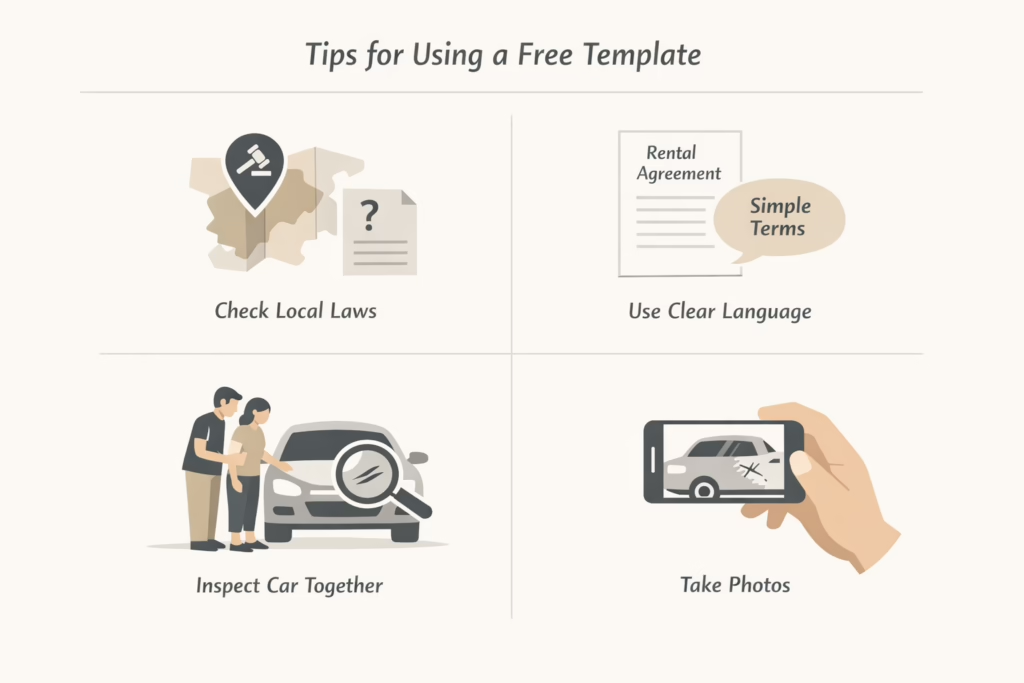
Tips for Using a Free Template
If you download a free template (such as from a legal resource site), here are some practical tips:
- Check local laws: Rental terms that are legal in one place might be invalid somewhere else.
- Use clear language: Avoid legal jargon when possible so renters actually understand what they sign.
- Keep a copy: Both parties should have a signed copy for their records.
- Inspect the car together: Note existing damage before the renter takes the vehicle.
- Take photos: A quick photo log can make damage disputes much easier to resolve.
Final Thoughts
A free car rental agreement template is not just a convenience. It’s a tool that brings clarity and protection to both sides of a rental transaction. Whether you’re running a business or helping a neighbor out, using a written agreement means fewer surprises and smoother interactions.
Take the time to customize your template, be clear about expectations, and document everything. When both parties know what to expect, the rental experience becomes far more trustworthy and predictable.
FAQ
1. What is a car rental agreement, and why do I need one?
A car rental agreement is a legal document that outlines the terms and conditions of renting a vehicle. It ensures that both the car owner and renter are clear on their responsibilities, like payment, insurance, and vehicle condition, helping avoid misunderstandings. Whether you’re renting to a friend or managing a fleet, having a solid agreement protects everyone involved and makes the process smoother.
2. Can I use a free template for my car rental business?
Yes, absolutely! A free car rental agreement template can be a great starting point for any rental situation, whether it’s for personal use or a business. Just be sure to customize the template to reflect your specific business needs, such as additional charges for extras like GPS or age restrictions for renters. Templates are designed to be flexible, and you can tweak them to fit your exact requirements.
3. What should I include in a car rental agreement?
A car rental agreement should include details about the parties involved, the vehicle’s make, model, and condition, the rental period with terms for early or late returns, payment terms including costs and fees, mileage and fuel policies, and insurance coverage for damage or accidents.
4. Can I make changes to a car rental agreement template?
Definitely! Templates are meant to be customized. You can add specific clauses to suit your needs, whether it’s including special fees, setting rules about smoking, or adding restrictions on where the car can be driven. The beauty of using a template is that you have a solid foundation that you can easily adjust.
5. Do I need legal assistance to use a car rental agreement template?
For most everyday rental situations, using a template is sufficient. However, if you’re unsure about specific legal clauses or if your rental business has complex needs, consulting a legal professional might be a good idea. They can ensure that your contract complies with local laws and covers all necessary details.
6. How do I ensure the rental agreement is legally binding?
For a car rental agreement to be legally binding, both parties must sign it. In some cases, you may want to get a witness or notarize the document, especially if it’s for a high-value rental or long-term contract. Always ensure both the car owner and renter have a copy of the signed agreement for their records.
7. What happens if the renter damages the vehicle?
If the vehicle is damaged during the rental period, the car owner can typically use the deposit to cover repairs. The agreement should clearly outline the renter’s liability for damages and whether they are responsible for any repair costs not covered by insurance. It’s also a good idea to specify the process for reporting damages and the steps to take in case of an accident or breakdown.