
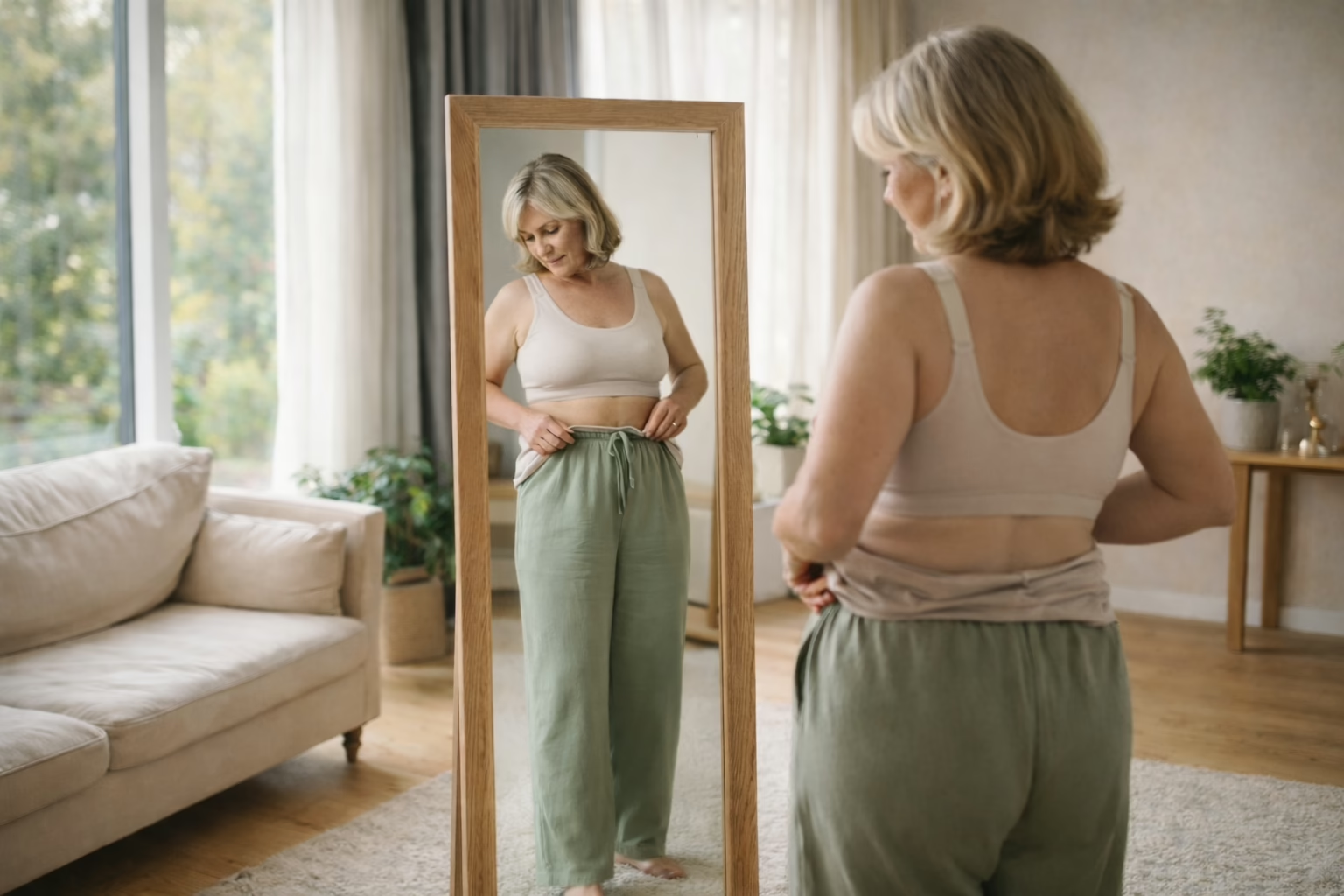
If you’ve noticed your breasts becoming larger after menopause, you’re not alone. It’s a common concern that many women face as their bodies undergo hormonal shifts. While the changes can feel a bit surprising, understanding why it’s happening can help you manage the situation with more confidence. So, let’s dive into what’s going on and what you can do about it.
The Menopausal Transition: What’s Happening in Your Body?
Menopause is defined as the point when a woman’s menstrual periods have stopped for 12 consecutive months. It usually occurs between the ages of 45 and 55, but the process can begin earlier or later. Menopause is marked by significant hormonal shifts, especially a decrease in estrogen production. These hormonal fluctuations are responsible for many of the changes in your body, including breast size and shape.
The First Thing to Consider: Hormonal Changes
One of the main reasons breasts may change size after menopause is due to shifts in hormone levels. Estrogen plays a crucial role in breast tissue, promoting the growth and maintenance of both the glandular and fatty tissues in the breasts. As estrogen levels decline during menopause, these changes can affect the way your breasts look and feel.
Here’s a closer look at how hormonal changes can affect breast size:
Estrogen and Involution
As estrogen decreases, a natural process known as breast involution occurs. During involution, the milk-producing glands in the breast shrink, and the tissue is replaced with fat. This process can lead to smaller, less dense breasts, especially if you were previously breastfeeding or had significant glandular breast tissue. This is why some women notice their breasts become less firm or smaller after menopause.
Progesterone
Alongside estrogen, progesterone levels also fluctuate during menopause. Progesterone can influence the breast tissue, causing it to become more swollen or tender, especially in the years leading up to menopause. When progesterone levels drop, these feelings of fullness or tenderness might lessen, but the change in breast size can remain.
Testosterone
Though often associated with men, women also produce testosterone, albeit in smaller amounts. During menopause, testosterone levels also decrease, leading to changes in fat distribution. For some women, this can result in an increase in breast size as fat is redistributed to the breast tissue.
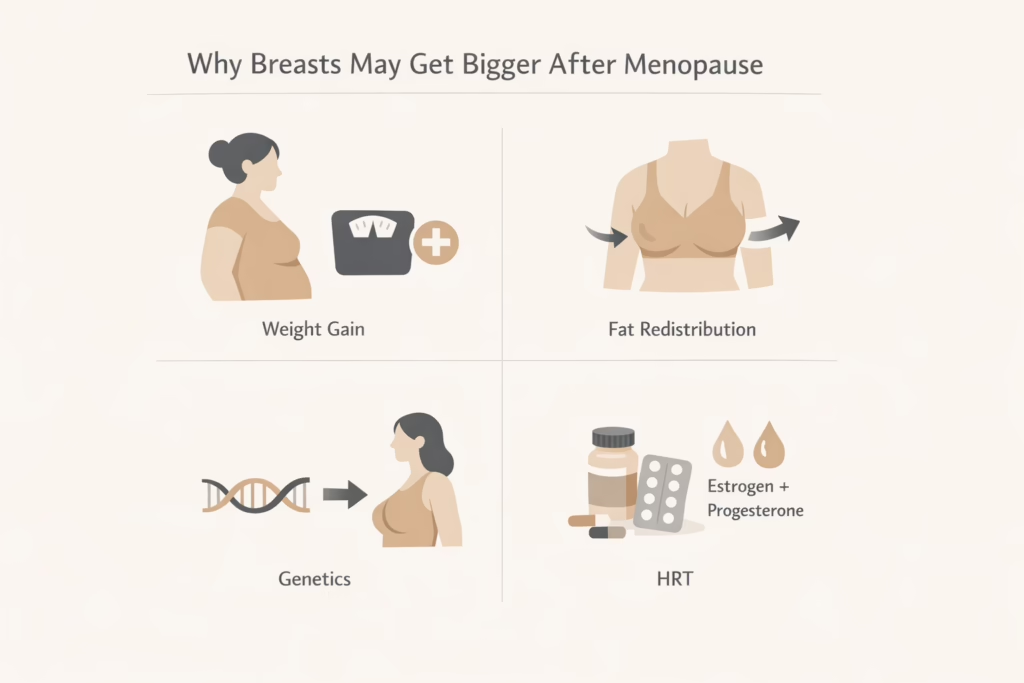
Why Exactly Your Breasts Might Get Bigger After Menopause
While some women experience a reduction in breast size after menopause, others notice an increase. This can be surprising, but there are a few key factors that may contribute to breast enlargement during menopause.
- Hormonal weight gain: As estrogen levels drop, women often gain weight due to changes in metabolism. This weight gain can lead to increased fat accumulation, which may settle in the breast area.
- Fat redistribution: As women age, fat tends to accumulate in different areas of the body. For some, this means more fat in the breasts, making them appear fuller.
- Genetic factors: Some women may have a genetic predisposition to store more fat in the breast area, and this may become more pronounced after menopause as hormonal changes affect fat distribution.
- Hormone replacement therapy (HRT): For women undergoing hormone replacement therapy, breast size can change as a result of the hormones involved. HRT typically involves estrogen and progesterone supplementation, which can lead to breast tenderness and, in some cases, enlargement.
Other Factors That Affect Breast Size After Menopause
Breast changes aren’t solely related to hormonal fluctuations. Several other factors can influence breast size after menopause, including lifestyle choices, medications, and underlying health conditions.
Weight Changes and Diet
As mentioned earlier, weight gain during menopause can contribute to larger breasts. Eating a balanced diet and maintaining a healthy weight can help mitigate these changes. Conversely, some women may experience weight loss after menopause, which can lead to a decrease in breast size. If weight loss is rapid, it may cause the skin and tissue to become less elastic, which could result in sagging breasts.
Tips for managing weight and supporting breast health after menopause:
- Focus on a balanced diet: Include healthy fats, lean proteins, and whole grains to maintain overall health and support a healthy weight.
- Regular exercise: Engaging in activities like walking, swimming, or strength training can help prevent excessive weight gain, improve muscle tone, and support breast health.
- Avoid rapid weight loss: Losing weight gradually is key to maintaining breast tissue and skin elasticity.
Medications and Medical Conditions
Certain medications, especially those used to treat conditions like high blood pressure, diabetes, or hormonal imbalances, can cause weight gain or affect fat distribution, potentially leading to changes in breast size. Some medications, such as antidepressants or steroids, may also contribute to breast tenderness or enlargement.
Additionally, certain medical conditions, such as fibrocystic breasts or benign breast lumps, can alter the way your breasts feel and may affect their size. Though these conditions are usually non-cancerous, it’s always a good idea to have any new or unusual changes checked by a healthcare provider.
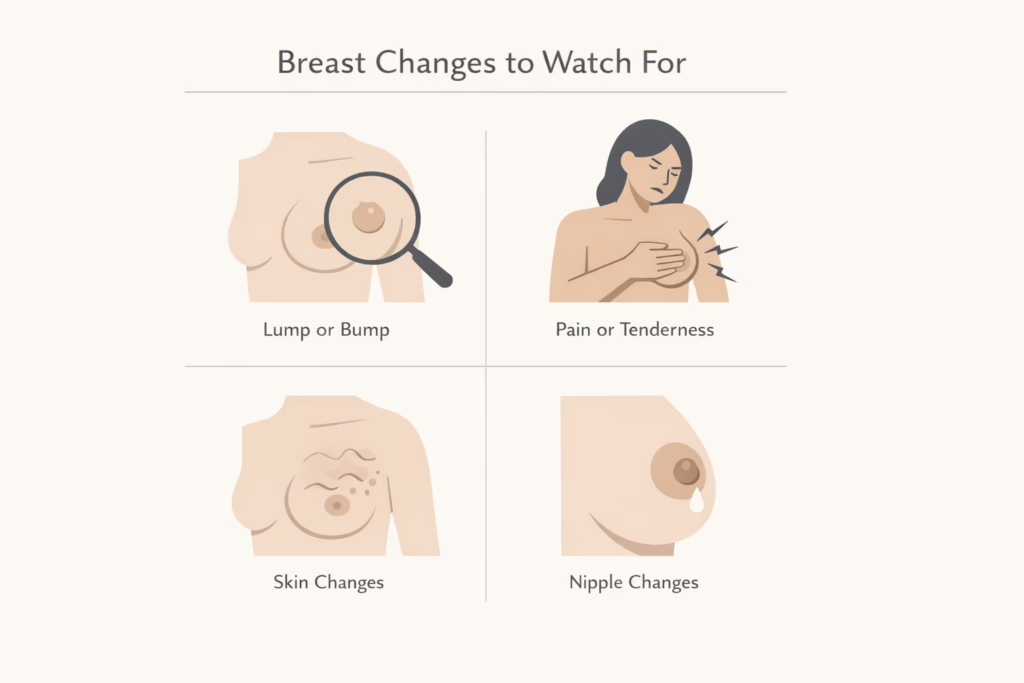
What to Do if You’re Concerned About Changes in Your Breasts
It’s natural to feel concerned when your body starts to change, especially when it comes to something as personal as your breasts. If you notice significant changes in breast size or shape, or if you experience discomfort, it’s important to talk to your doctor. While many breast changes during menopause are normal, it’s essential to rule out any other underlying health issues.
Here is what to look out for:
While breast changes during menopause are common, there are certain symptoms that should prompt a visit to your healthcare provider:
- Lumps or bumps: Any new lump or mass that feels different from the usual breast tissue should be examined by a doctor.
- Pain or tenderness: Persistent or severe breast pain, especially if it’s not related to hormonal fluctuations, should be evaluated.
- Skin changes: If you notice changes in the texture of your skin, such as puckering, redness, or dimpling, it could be a sign of an underlying condition.
- Nipple changes: Any unusual nipple discharge or inversion of the nipple should be discussed with a doctor.
Managing Breast Changes After Menopause
While you can’t entirely prevent the changes that come with menopause, there are things you can do to make the transition more comfortable:
Get Fitted for a New Bra
As your breast size changes during menopause, it’s crucial to invest in a well-fitting bra that offers the right support. This can help alleviate discomfort, reduce strain on your back and shoulders, and enhance your overall posture. A bra that fits properly will make a huge difference in your comfort levels, especially if your breasts have become larger or less firm. Consider getting professionally fitted to ensure your bra is providing the right amount of support, and don’t be afraid to update your wardrobe with new bras that match your changing body.
Maintain a Healthy Lifestyle
During menopause, your body’s needs can change, making it important to maintain a healthy lifestyle. A balanced diet, rich in nutrients, can help you manage weight gain and keep your body functioning optimally. Staying active, whether through regular exercise or simply walking, can boost your mood, strengthen muscles, and help regulate your weight. Managing stress through relaxation techniques, meditation, or yoga can also play a significant role in maintaining your overall well-being during this transition.
Consider Cosmetic Options
If the changes in your breast size are causing physical discomfort or affecting your self-esteem, there are cosmetic options to consider, such as breast reduction surgery or breast lifts. These procedures can help reshape and resize your breasts to a more comfortable or desirable size. However, it’s important to wait until you are fully through menopause before making a decision, as hormonal fluctuations can continue to affect breast size. Consulting with a plastic surgeon who specializes in breast procedures will help you understand your options and decide whether surgery is right for you.
Conclusion: Embrace the Change
Breast changes after menopause are a normal part of the aging process. Whether your breasts get larger or smaller, these changes are influenced by a variety of factors, including hormonal shifts, weight changes, and genetics. While these changes can be surprising, understanding what’s happening can help you feel more in control and comfortable in your own skin.
Remember, if you’re ever concerned about your breast health or changes in size, it’s important to consult with your doctor to rule out any underlying health conditions. Embracing the changes that come with menopause and finding ways to manage them can help you navigate this stage of life with confidence and ease.
FAQ
1. Is it normal for my breasts to get bigger after menopause?
Yes, it’s completely normal. During menopause, hormonal changes can lead to weight gain, which often affects breast size. As estrogen levels drop, fat may accumulate in the breasts, causing them to become larger. Some women also experience breast swelling or tenderness, similar to what they might feel during their menstrual cycle. It’s just another part of the many changes your body goes through during menopause.
2. Can hormone replacement therapy (HRT) affect breast size?
Yes, hormone replacement therapy (HRT) can lead to changes in breast size. HRT typically involves estrogen and progesterone, which can stimulate breast tissue and cause enlargement. If you’re on HRT and notice changes in your breast size, it’s a good idea to discuss them with your doctor to ensure everything is on track.
3. Why are my breasts getting smaller after menopause?
Some women notice a decrease in breast size after menopause, which is also normal. As estrogen decreases, breast tissue shrinks, and the glandular tissue is replaced by fat. This process, known as involution, can make breasts feel less firm and smaller. You might also notice a change in shape as your body adjusts to the new hormonal balance.
4. Can weight gain during menopause lead to bigger breasts?
Yes, weight gain during menopause can definitely contribute to larger breasts. As your body undergoes hormonal changes, it may redistribute fat, sometimes accumulating more in the breast area. If you’ve gained weight in general, this could also be a factor in your breast size change. Managing weight through a healthy diet and exercise can help regulate this.
5. Should I be concerned if I notice a lump in my breast after menopause?
Any new lump or change in your breast should be evaluated by a doctor. While benign lumps, like cysts or fibroadenomas, are more common in women after menopause, it’s always important to get any new growth checked out. Early detection of any potential issues is key, so don’t hesitate to reach out to your healthcare provider if you have any concerns.
6. How can I manage breast discomfort after menopause?
If you’re experiencing discomfort due to changes in breast size, a well-fitting bra can make a big difference. Consider getting professionally fitted to ensure you have the right support. You can also try over-the-counter pain relief creams, or supplements like evening primrose oil and omega-3 fatty acids, which may help with soreness and tenderness. If discomfort persists, a chat with your doctor can provide more personalized advice.
7. Is there a way to reduce breast size after menopause?
While it’s not always easy to reduce breast size naturally, maintaining a healthy weight through diet and exercise can help prevent further enlargement. Some women choose surgical options, such as a breast reduction or lift, if their breast size is causing significant discomfort or affecting their self-esteem. However, it’s important to wait until your menopause transition is fully complete before making any decisions about surgery, as hormone fluctuations can continue to affect breast size.