
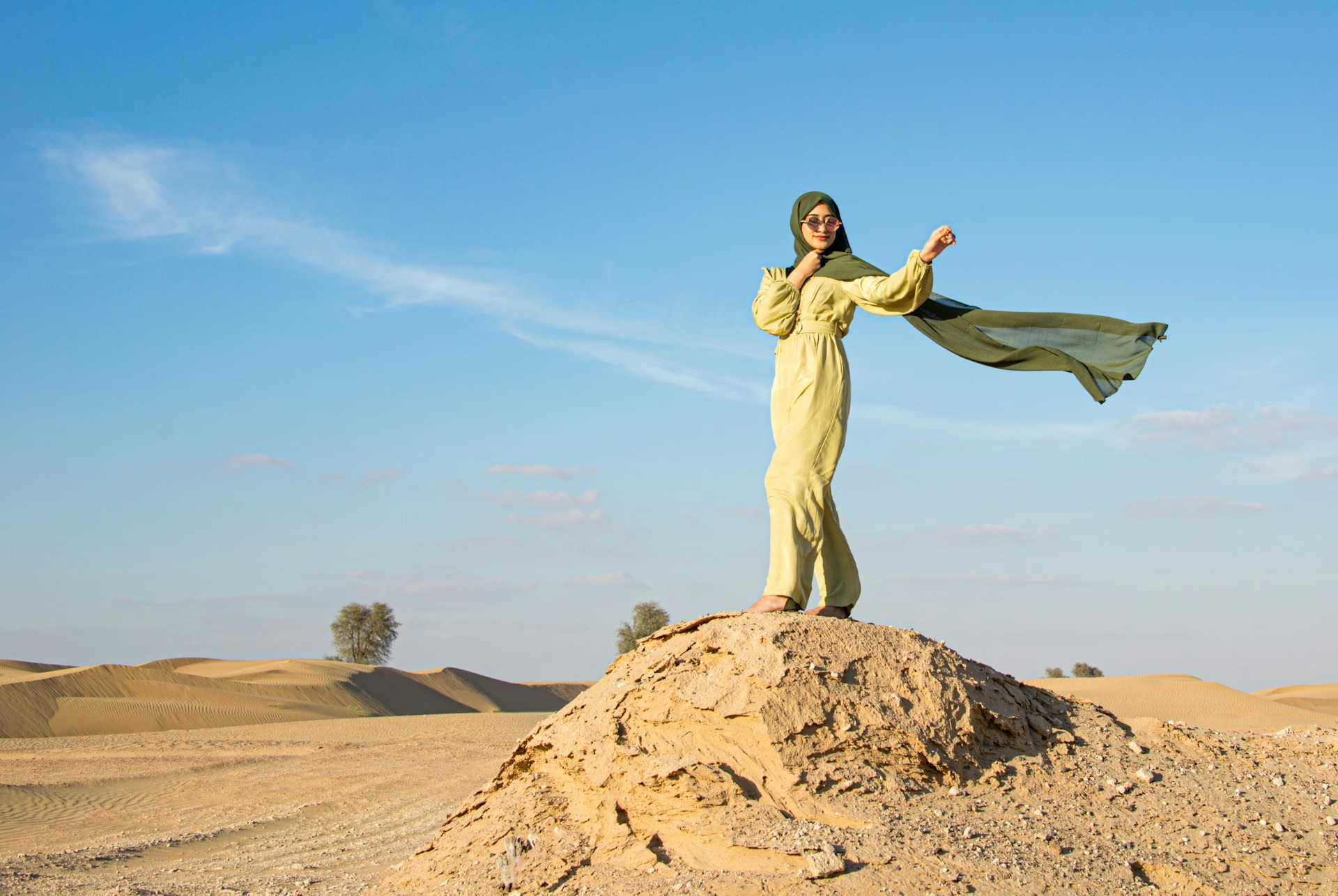
Dubai is one of those places where people often overthink what they should wear. The city looks ultra modern from the outside, but it still follows cultural norms that matter, especially in public spaces. Once you understand the basic do’s and don’ts, everything becomes much easier and a lot less stressful.
You don’t need to pack an entirely new wardrobe or try to guess what’s acceptable. Most of the rules boil down to common sense. Cover a bit more in certain areas, relax at the beach, stay respectful at heritage sites, and dress up when the occasion calls for it. The city is used to welcoming visitors from everywhere, so you’ll blend in as long as you keep the setting in mind.
How Dubai’s Atmosphere Shapes the Dress Code
Dubai is built on contrasts. You can walk through a historical neighborhood in the morning, spend the afternoon at a beach club, and dress up for a rooftop dinner at night. The city embraces modernity, but the foundation is still tied to Islamic values, which means modesty matters in shared public spaces.
Locals dress in traditional attire, expats dress like they would in any warm city, and tourists fall somewhere in the middle. That mixture is exactly why the dress code feels flexible from the outside. But for visitors, the safest approach is to ask yourself one question: Where are you going? The answer almost always determines what is acceptable.
Public spaces are more conservative. Private, leisure-focused spaces are relaxed. And religious or heritage sites sit in their own category with clear expectations.

Discovering Dubai’s Style with World-Arabia
If you ever want a deeper sense of how people in Dubai actually live, dress, and move through the city, World-Arabia is one of the places we look to. With World-Arabia, you can explore more than just fashion trends. You get a real feel for the cultural layers that influence how Dubai presents itself. One day you’ll find an article breaking down local fashion brands that everyone’s talking about, and the next you’ll stumble into coverage of major events that shape the city’s mood, from art exhibitions to wellness spaces to big business gatherings. It’s the kind of platform that captures the city’s pulse without flattening it into clichés.
That view helps when you’re trying to understand the dress culture here. Through World-Arabia, you see how style isn’t just about clothes. It’s about context. What people wear shifts depending on where they’re going, who they’re meeting, and what part of the city they’re stepping into. It makes it easier to understand why modest outfits feel natural in heritage districts, while polished looks fit right in at rooftop lounges or events like the Dubai International Boat Show. Exploring Dubai through their lens shows how clothing plays a role in the city’s everyday rhythm and how style and respect can coexist effortlessly.
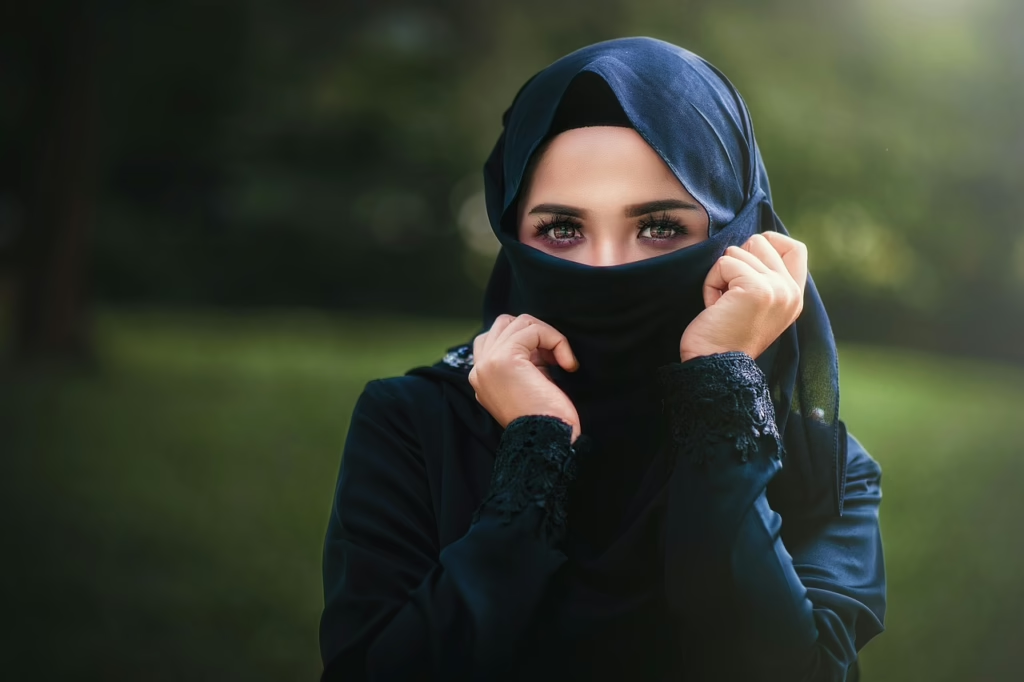
Understanding Dubai’s Dress Culture: Public, Private, and Cultural Zones
Dubai operates on three different “zones” that influence what you should wear: public, private leisure, and cultural or religious. This is where the real difference lies.
Public Areas: Where Modesty Matters Most
Malls, metro stations, souks, government buildings, and parks fall into this category. These places attract locals, families, expats, and visitors from many backgrounds. Modesty is appreciated here, not because anyone will confront you, but because it sets a respectful tone. Covering shoulders and knees makes everything easier, avoids attention, and keeps you in line with the social atmosphere.
Men don’t face as many restrictions, but showing up shirtless, wearing overly tight tops, or leaving half your buttons open is frowned upon. A simple T-shirt and knee-length shorts work perfectly.
Private Leisure Spaces: Freedom With Boundaries
Hotel beaches, resort pools, beach clubs, and waterparks allow swimwear and international standards. This is where Dubai feels like any global coastal city. You can wear bikinis, swim trunks, one-piece suits, or burkinis. Nobody cares, as long as the outfit is intended for swimming and not see-through.
The only line you shouldn’t cross is walking around outside these areas in swimwear. You’ll be expected to cover up when leaving the beach or walking into a restaurant attached to a pool.
Cultural and Religious Spaces: Respect Is Mandatory
Mosques and heritage districts like Al Fahidi require modest clothing. Women need to cover arms, legs, and hair inside mosques; men must wear long trousers and shirts with sleeves. Even if abayas or scarves are provided at the entrance, it feels more respectful to come prepared.
These zones highlight Dubai’s roots, and dressing modestly here is part of the experience rather than an inconvenience.
Dressing for Dubai’s Climate: Summer Versus Winter
Dubai is warm year-round, but the experience of summer and winter can feel dramatically different.
Summer
Summer is intense. Temperatures climb above 40 degrees, and humidity can make even short walks feel heavy. Breathable fabrics matter here. Cotton, linen, and moisture-friendly materials are more comfortable than anything tight or synthetic. Sun protection is non-negotiable. Hats, sunglasses, and sunscreen need to be part of your daily routine.
Indoor spaces, however, will be icy cold. You might step straight from the heat into air conditioning that feels like a refrigerator. Keeping a light outer layer in your bag prevents those moments where you’re shivering inside a cinema or mall.
Winter
Winter is Dubai’s golden season. Days are warm and pleasant, nights dip just enough to call for a light sweater or jacket. Outdoor activities flourish. Desert trips can get cold, so plan for layers if your itinerary involves evening excursions. Rain is infrequent but possible, so a light waterproof jacket is a useful addition, not a necessity.
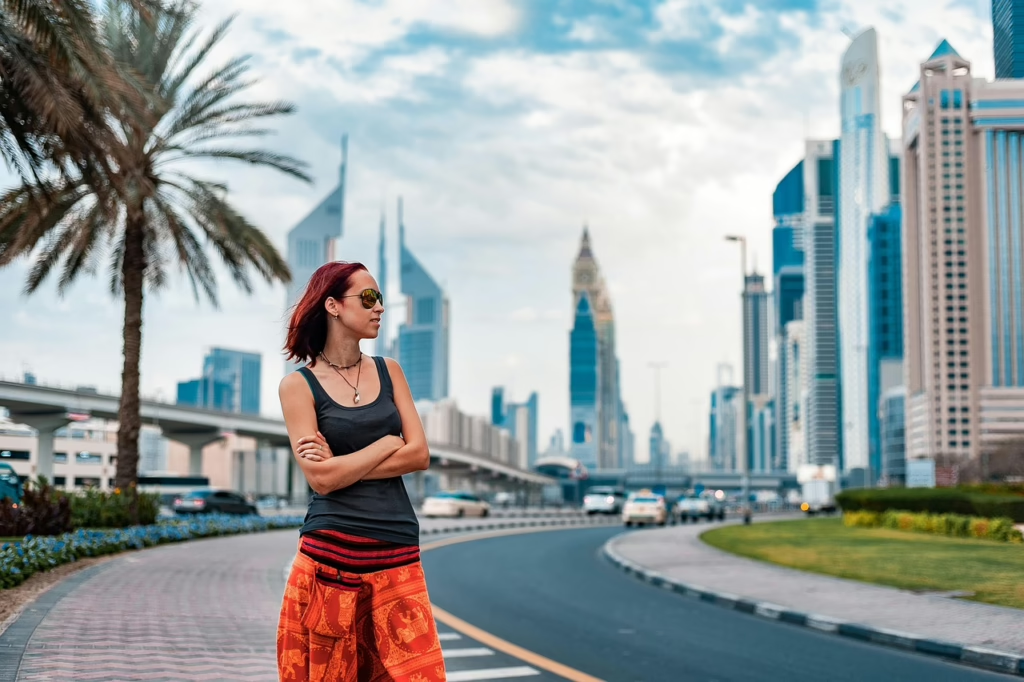
Clothing to Avoid So You Don’t Feel Out of Place
There’s no official list of forbidden clothing in Dubai for tourists, but certain choices will make you noticeably uncomfortable in the wrong places. Extremely revealing outfits, tops or dresses that show too much cleavage, very short shorts, and anything see-through can attract attention that you probably don’t want.
Clothing with offensive prints or symbols can cause unnecessary problems. And swimwear outside of beach or pool areas never goes over well, even if you’re just running back to your hotel room.
Avoiding these items is not about fear of punishment. It is simply about being aware of cultural expectations.
What Happens If You Make a Clothing Mistake in Dubai
A lot of online advice makes Dubai sound intimidating when it comes to dress code, but the reality is much more relaxed. Most people follow basic etiquette without even thinking about it, and mistakes do happen. If someone wears something too revealing in a mall or public space, the most common outcome is that a security staff member politely asks them to cover up. It usually sounds more like a friendly reminder than a warning.
You’re not going to get fined or dragged into trouble for wearing the wrong shirt. The city understands that tourists come from different cultures and that not everyone gets it right on the first day. The goal isn’t punishment, it’s respect. If you adjust your outfit when asked, that’s all anyone expects. A light scarf, a shrug, or even a T-shirt thrown over another piece usually fixes the moment quickly. As long as you’re thoughtful and willing to adapt, Dubai is easygoing and welcoming.
Packing Smart: Bringing What You Actually Need
You don’t need an entirely new wardrobe for Dubai. What you need is a blend of comfortable, modest, and adaptable pieces. Clothing that works in heat, layers for cold indoor air, and one or two polished outfits for nights out.
A scarf or shawl is incredibly helpful. It solves modesty requirements in seconds, works as a layer inside air-conditioned buildings, and helps with sun protection.
Footwear should be chosen with the amount of walking in mind. Dubai is vast, but most attractions require movement. Sneakers or supportive sandals beat flimsy shoes every time.
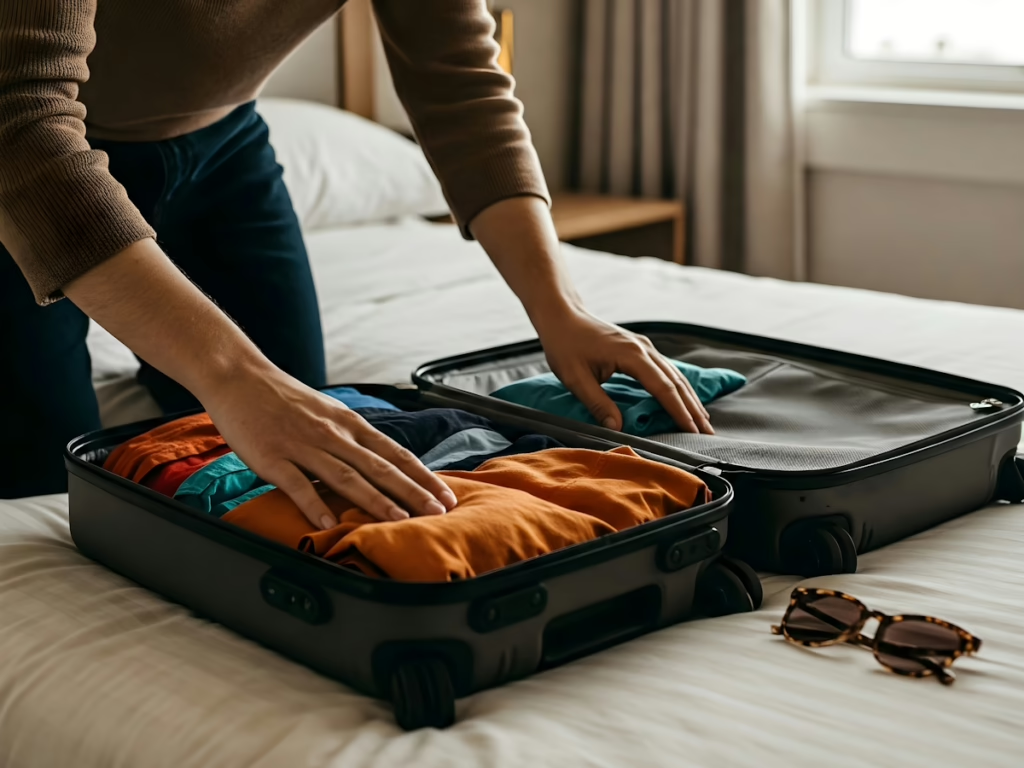
Quick Checklist for Staying Comfortable and Respectful in Dubai
If you want a simple way to remember the essentials without scrolling through every section, here’s a straightforward list you can use while packing or getting dressed for the day.
Do This
Before you head out, these simple habits help you blend in smoothly and stay comfortable in any part of the city. They’re practical, easy to remember, and make everyday life in Dubai a lot easier:
- Carry a light layer because malls, restaurants, and the Metro can feel colder than you expect.
- Choose breathable fabrics like cotton or linen to stay comfortable in the heat.
- Keep a scarf or shawl in your bag for heritage areas or unexpected cultural stops.
- Wear swimsuits only at beaches, pools, and waterparks, not while walking through public areas.
- Dress slightly more polished for dinners, rooftop lounges, and upscale hotels.
Avoid This
Dubai is open minded, but there are a few things that can create uncomfortable moments. Avoiding these choices saves you from awkward glances or a polite reminder from security.
- Clothes with offensive images or slogans. People take this seriously, especially in family areas.
- See through or very tight items in public spaces like malls or souks.
- Very short shorts, mini skirts, or deep cut tops when you’re exploring local markets.
- Going barefoot or shirtless away from the beach or pool.
- Forgetting that indoor AC can be colder than outside, even in summer.
This list isn’t meant to limit your style. It just helps you move comfortably through the city without second guessing every outfit. Dubai has room for individuality, as long as you stay aware of where you are and who’s around you.
Final Thoughts: Respect, Comfort, and Balance
Dressing well in Dubai is not about following strict rules or muting your personality. It is about reading the room and understanding that different settings have different expectations. When you respect those unwritten guidelines, your experience becomes smoother, less stressful, and more enjoyable.
Dubai invites travelers to explore, relax, and indulge. When your clothing choices match the rhythm of the city, you blend in naturally instead of second-guessing yourself. The best approach is simple: stay modest in public, be yourself in private leisure spaces, and stay practical when the desert or weather demand it.
Once you understand those principles, what to wear in Dubai becomes less of a puzzle and more of an easy rhythm you fall into without much effort.
FAQ
Can women wear shorts in Dubai?
Yes, women can wear shorts in Dubai, but it depends on where you are. Knee length shorts are fine for beaches, malls, and tourist areas. Avoid very short shorts in souks, heritage sites, and older parts of the city.
Do men have a dress code in Dubai?
Men have more freedom, but the same rule applies: keep it tasteful. Shorts and t shirts are fine almost everywhere. Avoid going shirtless in public spaces or walking around in tank tops in malls or family areas.
Do I need to cover my hair as a woman?
Only when entering a mosque. In everyday public spaces, you don’t need to cover your hair. Many women carry a light scarf just in case they decide to visit a cultural site.
Is it okay to wear swimwear in Dubai?
Absolutely, but only at pools, private beaches, and waterparks. The moment you step off the sand, put on a cover up or regular clothes. Walking around malls in swimwear is not allowed.
Can I wear sleeveless tops?
Sleeveless tops are fine for many areas, but it’s safer to cover your shoulders in souks, religious sites, and older neighborhoods. If you want to play it safe, bring a light shawl or cardigan.