
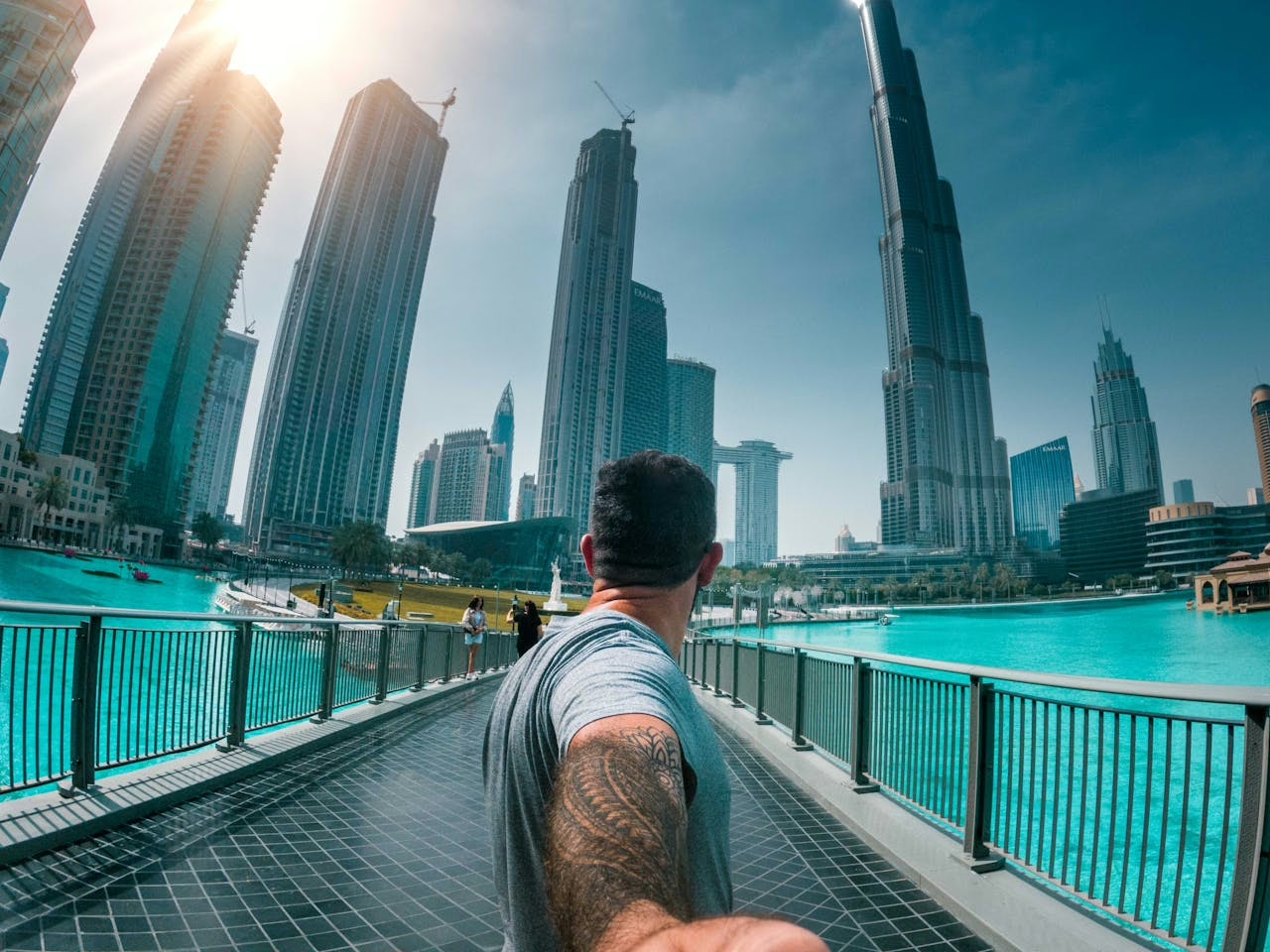
Dubai feels like a place where the world meets, and you hear that the moment you step off the plane. Arabic might be the official language on paper, but the city’s everyday soundtrack is much more layered. English mixes with Hindi, Tagalog, Urdu, and dozens of others as people move through malls, offices, and old souks. That blend is part of what makes Dubai so easy to navigate and so fascinating to listen to.
Dubai’s Official Language: Arabic in Its Many Forms
Arabic holds official status across the UAE, including Dubai. It is the language of law, government, education, and formal publications. When you read a newspaper, look at a court document, or browse an official government website, you will find Modern Standard Arabic. This version is the standard literary form used throughout the Arab world.
But Modern Standard Arabic is not what people use when they chat at home or speak with friends. Locals use Gulf Arabic, often called Khaleeji Arabic, which has its own rhythm, tone, and expressions. Some sounds are softer, some words shift depending on context, and the entire flow feels more relaxed compared to the formal structure of Modern Standard Arabic.
Because Dubai attracts people from across the Middle East and North Africa, you sometimes hear other Arabic dialects too. Egyptian Arabic is especially popular because of Egypt’s strong influence on media and entertainment. It is a dialect familiar to many residents from other Arab countries. In parts of the city with North African communities, you may also hear Maghrebi Arabic. Sudanese Arabic adds yet another flavor to the linguistic mix, with unique expressions and tonal patterns.
You do not need to speak Arabic fluently to navigate the city. But hearing Arabic in its different forms gives you a sense of the cultural heartbeat that still anchors Dubai to its roots.
Discover Dubai’s Multilingual Life With World-Arabia
When we look at Dubai, we don’t just see a city full of languages. We see stories, influences, and personalities behind them. At World-Arabia, we try to bring that world to life in a way that feels human and relatable. We cover the fashion scene, local designers, cultural events, art exhibitions, wellness spots, interviews with entrepreneurs, and the places where different languages and communities mix every day. It gives you a window into the rhythm of the city, not just the official facts.
Diving into Dubai’s culture through our articles helps you understand how those languages actually fit into daily life. Whether we’re walking through old souks, reviewing local fashion brands, covering a major cultural festival, or interviewing people who shaped their businesses here, language always plays a part in the story. You hear the mix of Arabic greetings, English conversations, Tagalog phrases, and the South Asian expressions that float around the city without effort. These layers show up naturally across our coverage because Dubai itself is layered.
If you want to go beyond the basics and really see how the city speaks, our platform is a way to explore that world from different angles. Culture, business, style, travel, places, and the people who shape them all carry fragments of the city’s multilingual personality. You can read, watch, or simply browse your way through the stories behind the voices you hear in Dubai.
How English Became the Dominant Everyday Language
While Arabic is the official language, English is the one you will hear almost everywhere. It is the common ground between communities, the neutral language that keeps the city functioning smoothly.
Dubai’s population is roughly 88 percent expatriate, according to recent estimates. With so many people coming from countries where English is either a first or second language, the city naturally adopted it as a communication bridge. You see it on road signs, restaurant menus, hotel websites, brochures, metro announcements, and even informal conversations in offices.
In the business world, English rules almost everything. Meetings, contracts, presentations, training sessions, and email exchanges rely heavily on it. Most multinational companies use English as their operating language. Even smaller businesses follow suit because their teams usually come from different cultural backgrounds.
Schools and universities also rely heavily on English. International schools teach in English, and many local institutions follow a bilingual approach. Students from Europe, Asia, Africa, and the Middle East all sit in the same classroom, and English makes it easier to learn together.
In short, if you speak English, you will find Dubai incredibly easy to navigate.
Dubai’s Multilingual Reality Beyond Arabic and English
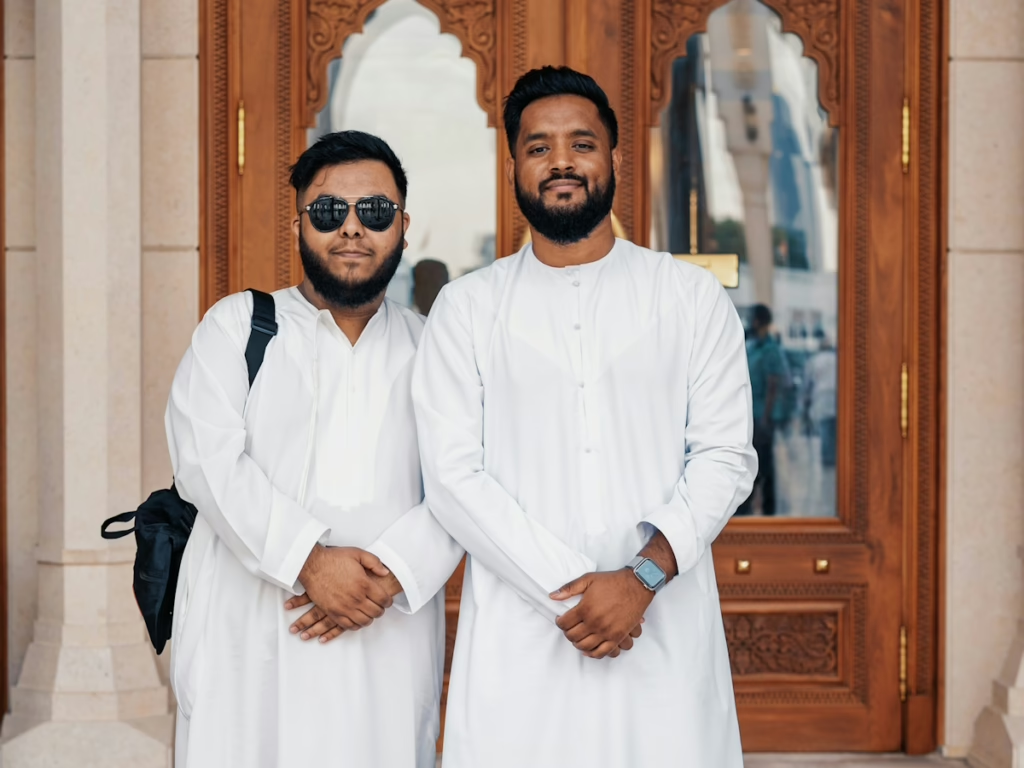
Once you get outside the world of formal communication and office life, you start hearing the other side of Dubai’s linguistic environment. The majority of the city’s expat population comes from South Asia, Southeast Asia, and other Middle Eastern regions. As a result, many communities use their native languages at home, in shops, and around their neighborhoods.
Here are some of the most common languages you will hear across Dubai:
- Hindi
- Urdu
- Tagalog
- Bengali
- Malayalam
- Tamil
- Farsi
- Mandarin Chinese
These languages reflect the city’s demographic structure. Indian nationals make up the largest expat group, followed by Pakistanis, Bangladeshis, and Filipinos. Their languages naturally appear in everyday life.
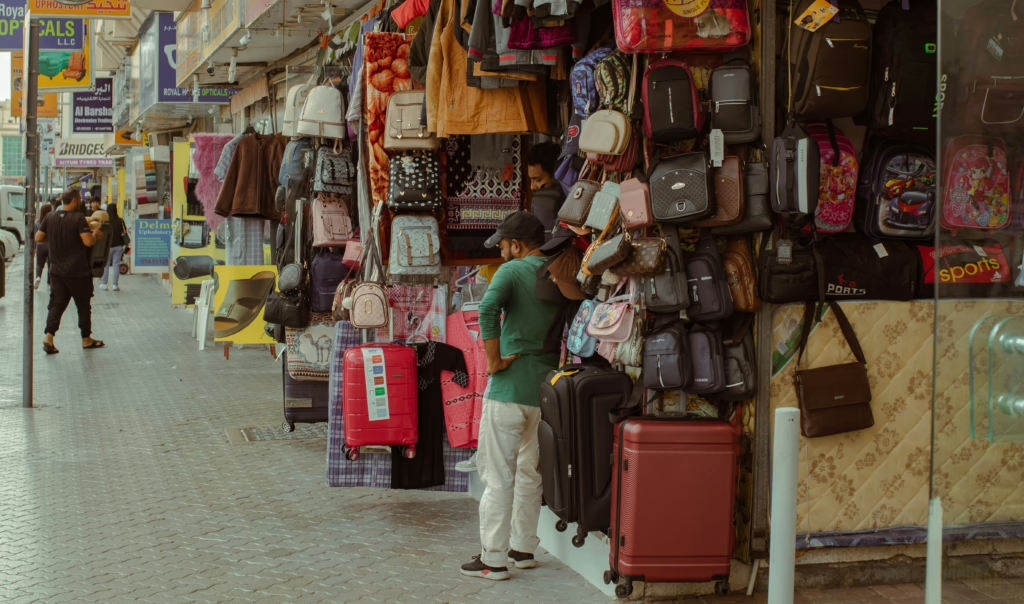
Walk through Bur Dubai or Al Karama and you might hear Hindi or Malayalam from shopkeepers. In Satwa, Tagalog is common among Filipino residents. In older trading areas like Deira, you hear conversations in Arabic, Urdu, Persian, and sometimes Russian.
Dubai is not a place where people switch languages out of necessity. They do it because it feels natural. Each community brings its own language with it and uses it comfortably, creating a multilingual environment that rarely feels chaotic.
Where Different Languages Are Most Common in Dubai
It is not just the people who shape the language landscape. Neighborhoods in Dubai often develop their own linguistic personalities. Understanding where each language tends to appear helps you get a clearer picture of how the city works.
Al Karama and Bur Dubai
These areas are heavily influenced by South Asian culture. Hindi, Urdu, Malayalam, and Tamil fill the streets. Many shop owners, restaurant staff, and market vendors speak these languages fluently.
Al Satwa
Known for its strong Filipino community, Satwa is a place where Tagalog is as common as English. You hear it in salons, grocery stores, and small restaurants.
Deira and Al Ras
These older commercial districts attract merchants from India, Pakistan, Iran, and the wider region. Arabic, Hindi, Urdu, and Farsi all blend together in a way that reflects Dubai’s trading history.
Jumeirah, Dubai Marina, Downtown Dubai
These upscale residential and business districts attract Western expats, tourists, and professionals. English dominates here, though you still find staff who can switch to Arabic, Hindi, Tagalog, or Russian depending on who they are speaking to.
Industrial and Labor Zones
These areas have large communities from South Asian countries. Bengali, Malayalam, and Tamil are widely spoken.
Dubai is not segregated by language, but each neighborhood develops its own linguistic rhythm based on who lives and works there.
How Language Shows Up in Daily Life
Communication in Dubai is not just about knowing which languages people speak. It is also about understanding how they use them.
Public Services
Government offices use Arabic and English. Most forms, websites, and automated systems offer bilingual options.
Shops and Markets
Friendly greetings in Hindi, Tagalog, Urdu, or Arabic often break the ice. Staff usually adapt quickly to whichever language they think you prefer.
Hospitality
Hotels, restaurants, and tour services rely heavily on English. Many employees speak multiple languages.
Schools
International schools teach in English. Public schools teach in Arabic. Many offer classes in French, Mandarin, Spanish, or other languages depending on the curriculum.
Transport
Metro announcements and signs are bilingual. Taxi drivers often speak English, Hindi, Urdu, or Arabic, depending on their background.
Dubai’s ability to switch languages so seamlessly keeps everything running smoothly, even in a city where millions of people come and go.
The Influence of Dubai’s Cultural Mix on Language
Dubai’s multicultural environment does not just create a mix of languages. It also produces its own style of communication, including phrases and slang that blend different linguistic roots.
Here are a few examples often heard around the city:
- Ma’am-sir: This phrase comes from Filipino English and is used politely by service staff to address customers.
- Maffi mushkil: A blend of Arabic words meaning no problem. You hear it everywhere.
- Can I get your good name: A polite, South Asian-influenced way of asking for your name.
- Habibi / Habibti: Arabic terms of endearment used widely, even among expats.
- Yalla: A commonly used Arabic term meaning come on or let’s go.
Dubai’s linguistic culture reflects its identity as a place where people from different countries live side by side without losing their own accents, expressions, or traditions.
Why Arabic Still Matters Even if You Never Become Fluent
Some visitors assume that because English is so dominant, Arabic is not necessary. This is only partly true.
Even basic Arabic phrases can make local interactions more meaningful. Using a simple marhaba or shukran shows respect for the culture and often earns a sincere smile. In business settings, understanding Arabic greetings or knowing how to say salam alaikum can build rapport in a way that English alone cannot.
On a practical level, it also helps you understand signs, formal announcements, and certain local customs. While no one expects you to become fluent overnight, showing genuine interest in the language is appreciated.
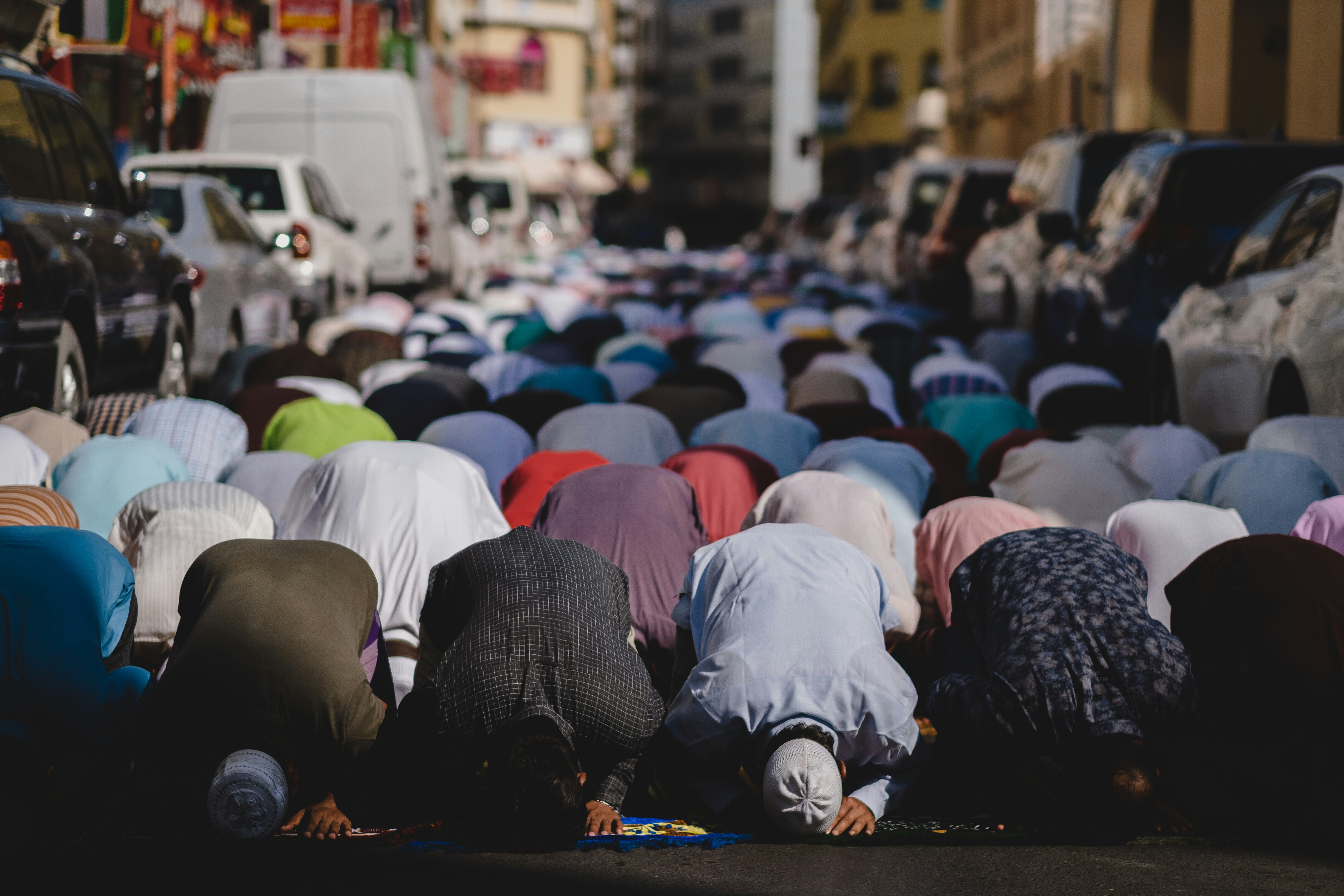
Religious and Cultural Pressures on Language Use
Understanding the way Dubai manages language also means understanding its cultural etiquette. Religion influences daily routines. Prayer times, Islamic holidays, and local customs affect how and when communication happens.
People often greet each other with Arabic expressions rooted in faith. Respect for space and gender differences shapes how people interact in business meetings and social settings. A handshake might be common in some cultures but requires sensitivity in others. Knowing when to switch to a more formal greeting helps prevent misunderstandings.
Language becomes part of this cultural negotiation. Speaking respectfully, acknowledging traditions, and avoiding assumptions about comfort with physical greetings all matter.
The Role of Media, Technology, and Education
Dubai’s media landscape is multilingual. Television channels broadcast in Arabic, English, Hindi, Urdu, Tagalog, and other languages. Radio stations cater to niche audiences. Newspapers are published in several languages.
Digital platforms widen this even further. Social media influencers switch between languages depending on their audience. Companies publish content in multiple languages to reach their target groups. Translation services are common and often needed for legal, medical, or business documentation.
In education, many language classes are available for both adults and children. Institutes offer Arabic, French, Mandarin, English, and other languages. Parents choose schools based on the languages they want their children to learn.
Dubai’s future-focused mindset encourages people to embrace language learning as part of personal growth.
Does Dubai Have a Unique Dialect of Its Own?
There is no official Dubai dialect as such, but you can definitely sense a Dubai flavor in the way people speak. It is a mix of Gulf Arabic pronunciation, English vocabulary, South Asian speech patterns, and Filipino expressions. Together, they create a linguistic style that feels local but global at the same time.
For example, you might hear a sentence like this in informal situations:
“Yalla, bro, jaldi, we are late.”
This blends Arabic (yalla), Hindi (jaldi), and English. Only Dubai can produce this kind of mashup naturally. It reflects decades of migration, business growth, and cross-cultural influence.
Why Dubai Is Comfortable for Non-English Speakers Too
Some travelers worry about visiting Dubai if they do not speak English or Arabic. In reality, the city is extremely accessible.
Visit Dubai provides guides in dozens of languages. Tour operators use multilingual staff. Payment counters often have assistants who know Hindi, Urdu, or Tagalog. A growing number of signs include Mandarin because of the increasing number of Chinese tourists.
Dubai intentionally supports this diversity because tourism is central to its economy. Clear communication helps everyone.
Final Thoughts: Language as Part of Dubai’s Identity
Languages in Dubai are not just about words or grammar. They are part of the city’s identity. Every accent tells a story. Every dialect reflects a journey. Every phrase gives you a hint of the cultures that built today’s Dubai.
Arabic connects the city to its roots. English connects people to each other. Hindi, Urdu, Tagalog, Malayalam, Bengali, Tamil, Farsi, Mandarin, and dozens of other languages keep the city buzzing with life and movement.
Dubai is a place where you hear the world speaking at once. And somehow, it all sounds like it belongs together.
FAQ
Do I need to speak Arabic to visit Dubai?
No, you can get around the city easily without speaking Arabic. English is widely used in hotels, restaurants, malls, transport systems, and most public spaces. Still, learning a few basic Arabic greetings can make interactions with locals feel warmer.
Is English an official language in Dubai?
English is not the official language, but it is the most commonly used language in everyday life. It acts as the communication bridge between residents from different countries and is essential in business, tourism, and education.
Which Arabic dialect do people speak in Dubai?
Locals speak Gulf Arabic, also known as Khaleeji. It is different from Modern Standard Arabic, which is used in newspapers, government documents, and formal settings.
Are Hindi and Urdu commonly spoken in Dubai?
Yes. Dubai has a large South Asian community, so Hindi and Urdu are widely spoken in markets, shops, and neighborhoods with a strong Indian or Pakistani presence.
What language do workers in malls and restaurants usually speak?
Most people in customer service speak English, but many also switch naturally to Arabic, Hindi, Urdu, Tagalog, or other languages depending on who they are talking to.