
Amazon refunds feel simple until you are actually waiting for one. You drop off the package, get a confirmation email, and then start checking your bank app more often than you expected. Sometimes the money shows up fast. Other times, it feels like it disappears into a black hole.
This article breaks down how Amazon’s refund policy works in real life. Not the legal language. Not the best-case scenario. Just the practical flow of what happens after a return, how long refunds usually take, and why delays are more common than people think.
The Basic Refund Flow After a Return
Amazon refunds follow a sequence, not a single action. Missing this is where most frustration starts.
First, you initiate the return through your account. That creates a return record and a deadline. Then you send the item back using the method Amazon gives you. Only after the item is received and processed does the refund step begin.
This matters because Amazon does not refund simply because you dropped the item off. The refund is tied to what happens next at the warehouse or with the seller.
In most cases, the flow looks like this:
- You return the item.
- The carrier scans it.
- The item travels back.
- Amazon or the seller inspects it.
- The refund is approved.
- Your bank or payment provider releases the funds.
Each step has its own timing. Delays usually happen between inspection and payment processing, not at the drop-off stage.
When Amazon Issues the Refund vs When You See the Money
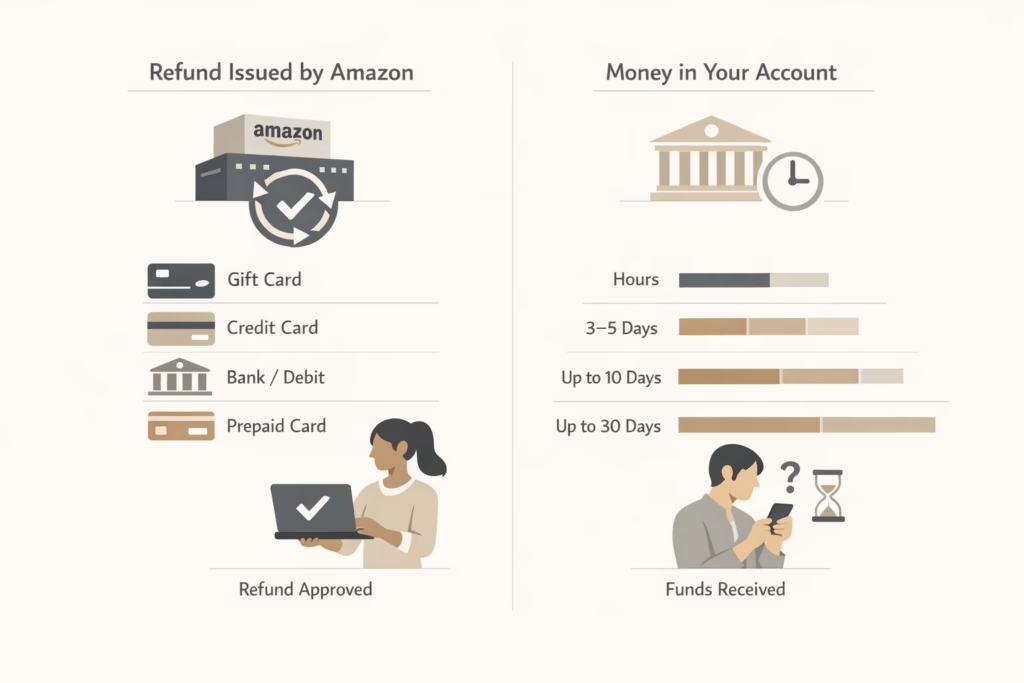
One of the biggest misunderstandings is the difference between Amazon issuing a refund and your bank posting it.
Amazon can approve and issue a refund within hours, especially for gift cards or account balances. That does not mean the money will instantly appear everywhere.
Here is how refund timing typically works depending on payment method:
- Amazon gift card balance refunds are often visible within a few hours.
- Credit card refunds usually appear within three to five business days.
- Debit card and bank account refunds can take up to ten business days.
- Prepaid cards can take significantly longer, sometimes up to thirty days.
Amazon does its part early in many cases. After that, control shifts to your bank, card issuer, or payment provider. That is why two refunds approved on the same day can show up days apart.
Why Some Refunds Are Instant and Others Are Not
You may notice that some refunds hit almost immediately, while others take their time. That difference is not random.
Instant refunds usually apply to low-value items, accounts with a clean return history, and product categories that carry little fraud risk. Refunds issued as Amazon credit also tend to move faster because they stay inside Amazon’s system and do not rely on external banks.
Slower refunds are more common with higher-priced purchases, especially electronics and devices. Items with serial numbers, visible wear, or missing packaging often require manual checks before approval. Amazon reviews these returns more closely, not to inconvenience customers, but to confirm condition and prevent misuse.
What Happens During Return Inspection
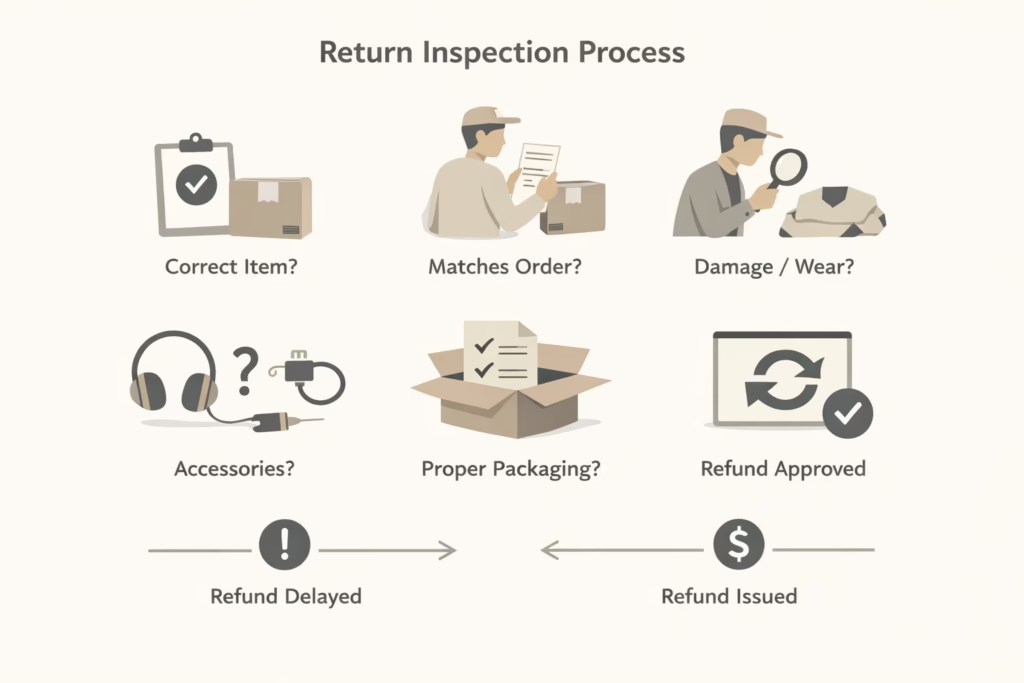
Once your item reaches Amazon or the seller, it goes through a condition check. This step decides whether you receive a full refund, a partial refund, or in rare cases, no refund.
Inspectors typically check:
- Whether the correct item was returned.
- Whether it matches the order.
- Whether it shows damage or heavy use.
- Whether accessories and parts are missing.
- Whether packaging requirements were followed.
If everything checks out, the refund moves forward automatically. If something is off, the refund can be reduced or delayed while Amazon reviews the situation.
This inspection step explains why refunds sometimes stall for days without updates.
When and Why Partial Refunds Occur
A return does not always result in a full refund.
Partial refunds are usually issued when an item comes back in a condition that prevents it from being resold as new. This includes signs of use, missing accessories, removed tags, or damaged packaging.
In these cases, Amazon reduces the refund to reflect diminished value. The deduction is based on condition, not intent. It is a practical adjustment rather than a penalty.
Return Windows and Their Impact on Refunds
Most items sold on Amazon can be returned within thirty days of delivery, but there are important exceptions.
Shorter return windows apply to certain digital purchases and Apple-branded products. Longer windows apply to select baby products, Amazon Renewed items, and registry purchases. During the holiday season, Amazon often extends return deadlines into late January.
What matters most is starting the return on time. Initiating the return before the deadline usually protects eligibility, even if the item arrives back later.
Free Returns vs Return Fees
Many Amazon returns are free, but that does not mean all of them are. The phrase “free returns” usually applies to standard-sized items returned within the allowed window using one of Amazon’s supported drop-off options.
When Return Fees Can Apply
Fees may come into play in a few specific situations. Items that are considered heavy or bulky often require special handling, which increases return costs. Choosing a paid drop-off or pickup option instead of a free one can also result in a deduction. Late returns are another common trigger, especially if the item is returned well after the stated return-by date.
Accounts with unusually high return activity may also see return fees applied more often. In these cases, Amazon may adjust return options or require additional verification before approving a refund.
Heavy and bulky items deserve special mention. These products often require appointment-based pickups or specialty carriers. The return shipping costs for these items vary based on size, weight, and handling requirements, and the fee is usually deducted from the refund. These charges are tied to logistics, not the price of the item itself.
How Refunds Work for Third-Party Sellers
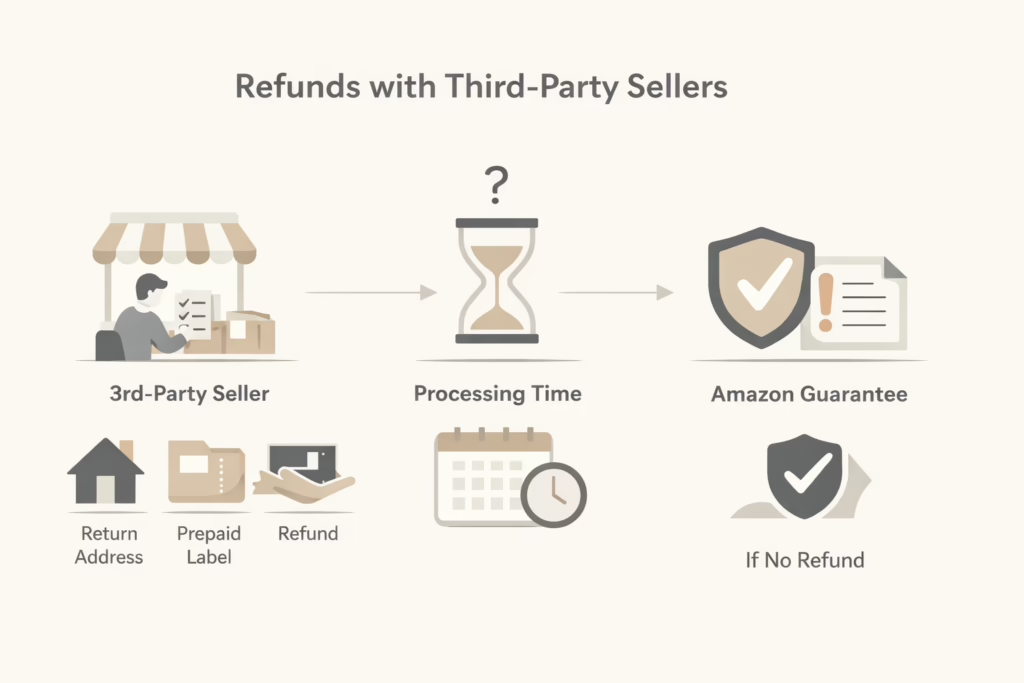
Not all refunds are processed directly by Amazon.
When an item is sold and shipped by a third-party seller, that seller handles inspection and refund approval. Amazon requires sellers to offer at least one reasonable return option, such as a domestic return address, a prepaid label, or a refund without requesting the item back.
Refund timing can vary more with seller-fulfilled orders. If a seller does not respond or fails to issue a refund, Amazon’s guarantee may apply, but usually only after the expected refund window has passed.
Returning Gifts and Receiving Gift Refunds
Gift returns follow a slightly different process than standard purchases. In most cases, returning a gift does not send money back to the original buyer’s payment method. Instead, the recipient usually receives Amazon credit that can be used toward future purchases. This approach keeps the original transaction intact while still giving the recipient flexibility.
If the gift was digital, there may be an option to exchange it for gift card credit before accepting it. When the order number or gift receipt is missing, Amazon support can sometimes help, but the process takes longer and the available options are more limited. Having the order details speeds things up and avoids unnecessary back-and-forth.
Refund Rules for Digital Purchases
Digital items are handled very differently from physical products, and this is where expectations often clash with policy. Refund eligibility is usually tied to usage rather than time alone. If digital content has not been read, streamed, or downloaded, a refund may be possible within a short window. Once content is partially used, refunds become far less likely.
Subscriptions and digital services follow their own terms, which can vary by product and region. Repeated refund requests for digital items may also affect future eligibility, as Amazon monitors usage patterns to prevent abuse. With digital purchases, acting quickly and understanding the limits matters more than with physical returns.
Differences Between Amazon US and Amazon UK Refund Policies
Refund rules on Amazon are not exactly the same everywhere. While the return flow looks similar on the surface, the legal framework behind it changes depending on where you are buying from.
Amazon US Refund Rules
In the United States, refunds are governed primarily by Amazon’s internal policies rather than statutory cancellation laws. Amazon sets the return windows, conditions, and refund rules, and those policies apply unless a product is defective or misrepresented. This gives Amazon more flexibility in how refunds are handled, including return shipping costs, partial refunds, and inspection-based decisions.
Amazon UK Refund Rules
In the United Kingdom, consumer protection laws play a larger role. Buyers have a fourteen-day statutory right to cancel most purchases for any reason, even if the item is not defective. Amazon then layers its voluntary thirty-day return policy on top of those legal rights, offering more flexibility than the law requires in many cases. These protections affect cancellation handling, return shipping refunds, and how disputes are resolved, especially for non-defective items.
International and Global Store Refunds
International returns take longer by nature, even when everything goes smoothly. Items shipped across borders must travel back to the return center before any inspection can begin, which adds days or weeks compared to domestic returns. Until the item is physically received and scanned, the refund process does not start.
Once the return is processed, Amazon may automatically refund part of the return shipping cost, with limits that depend on the country and marketplace involved. Customs fees and import deposits are usually refunded separately after the return is completed, and these follow their own timelines. Because multiple systems are involved, international refunds often move more slowly and appear in stages rather than as a single transaction.
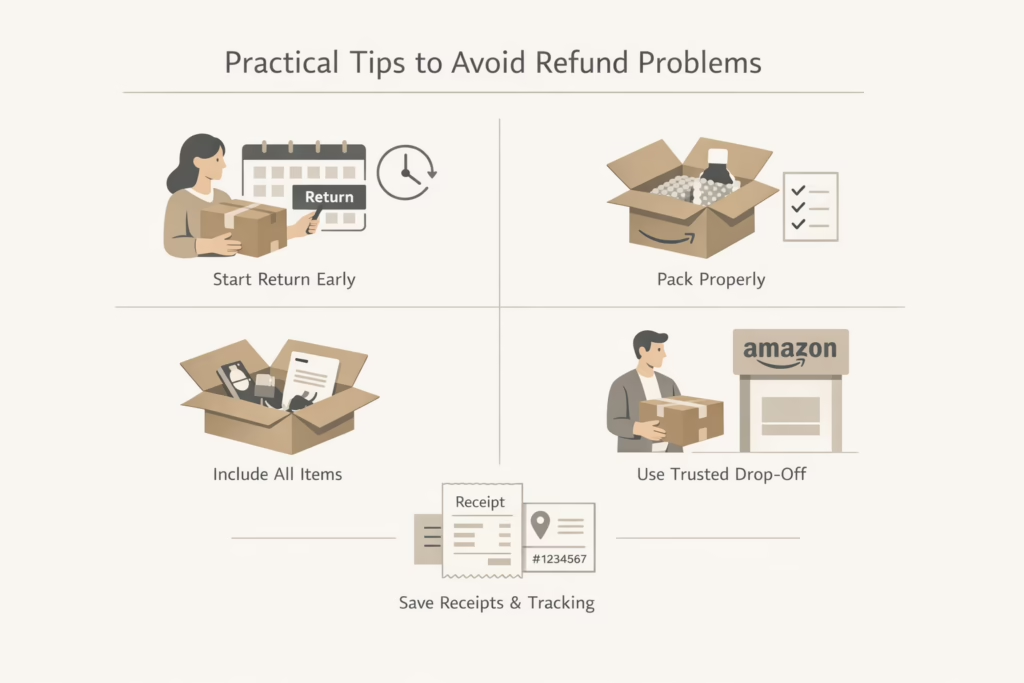
Practical Tips to Avoid Refund Problems
Most Amazon refund issues are not caused by strict rules or hidden policies. They usually come down to timing, condition, or small steps being overlooked. A few simple habits can reduce delays and prevent unnecessary back-and-forth.
- Start the return as soon as you decide not to keep the item. Initiating the return on time matters more than when the item arrives back.
- Follow packaging and condition instructions carefully. Items returned without proper protection or missing required packaging are more likely to be flagged during inspection.
- Return all accessories and inserts. Cables, manuals, adapters, and bonus items are often required for a full refund.
- Use Amazon’s recommended drop-off options when possible. These methods are tracked more reliably and reduce disputes.
- Keep confirmation receipts and tracking details until the refund clears. They are your proof if something stalls.
Most refund problems happen because of small details being missed, not because the rules are unfair or unclear.
Final Thoughts
Amazon’s refund policy is designed to be flexible, but it is not instant. Refunds follow a process that balances convenience, inspection, and fraud prevention.
Once you understand that refunds move through stages rather than happening at the moment of drop-off, the waiting becomes easier to manage. Most refunds complete without issue. When delays happen, there is usually a clear reason behind them.
Knowing what to expect after you return an item turns uncertainty into patience and avoids unnecessary stress.
FAQ
How long does an Amazon refund usually take?
It depends on the payment method. Amazon often approves refunds quickly, but banks and card issuers control when the money actually appears. Gift card refunds can show up within hours, credit cards usually take a few business days, and debit or prepaid cards may take longer.
Does Amazon refund you as soon as you drop off the return?
No. Dropping off the item only starts the return shipment. The refund process begins after Amazon or the seller receives and inspects the item. Carrier scans do not trigger refunds.
Why does my refund say issued but I do not see the money?
When Amazon marks a refund as issued, it means they have released the funds. After that, your bank or payment provider processes the transaction. Delays at this stage are common and outside Amazon’s control.
Can Amazon deny a refund after receiving the item?
Yes, but it is uncommon. Refunds may be reduced or denied if the wrong item is returned, if parts or accessories are missing, or if the item is returned damaged or heavily used beyond normal inspection.
Why did I get a partial refund instead of the full amount?
Partial refunds usually reflect item condition. If an item cannot be resold as new due to wear, missing components, or removed tags, Amazon may deduct part of the refund to account for reduced value.