
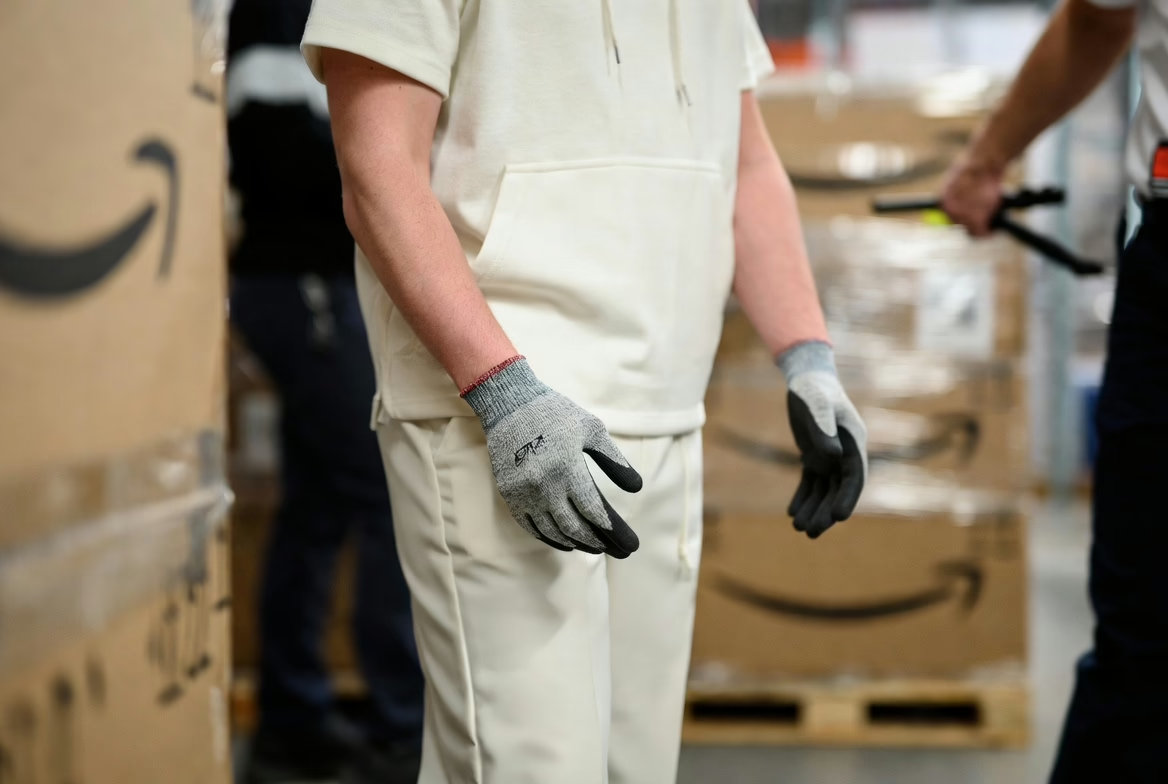
If you’re preparing for a job at an Amazon warehouse, the dress code is one of those things that sounds simple until you start looking it up. Some sources make it feel overly strict. Others are vague enough to be confusing. In reality, it sits somewhere in between.
Amazon doesn’t expect a uniform or a polished look. What it does expect is common sense. Clothing that keeps you safe, lets you move easily, and doesn’t get in the way of the work. This guide breaks down how the warehouse dress code actually works in practice, without corporate language or unnecessary rules, so you know what to wear before your first shift and avoid small mistakes that can turn into a problem later.
If you want, next we can continue with the first main section (no uniform policy, safety logic, or clothing rules), keeping the same tone throughout.
No Uniform, But Not Anything Goes
Amazon warehouse employees are not issued a standard uniform. That part is true and often misunderstood. You are not expected to wear branded clothing or a specific color. At the same time, the lack of a uniform does not mean complete freedom.
Think of the dress code as a set of boundaries rather than a checklist. As long as your clothing stays within those boundaries, you are fine. Step outside them, and problems start quickly.
The boundaries are shaped by three things:
- Safety around machinery and moving equipment
- Comfort during long shifts that involve walking, lifting, and standing
- A baseline level of professionalism in a shared workspace
If your outfit supports those three goals, it usually passes without issue.
Why the Dress Code Exists in the First Place
Warehouse work is physical and repetitive. Conveyor belts move constantly. Pallets are shifted. Packages are lifted hundreds of times per shift. Clothing that might seem harmless in everyday life can become a hazard in that environment.
Loose sleeves can catch. Long strings can tangle. Inappropriate shoes can lead to slips or crushed toes. The dress code is designed to reduce those risks before they turn into injuries.
It is also about focus. When clothing gets in the way, workers slow down or adjust constantly. Multiply that across hundreds of employees and efficiency drops fast. The rules exist to keep the operation running smoothly, not to control personal style.
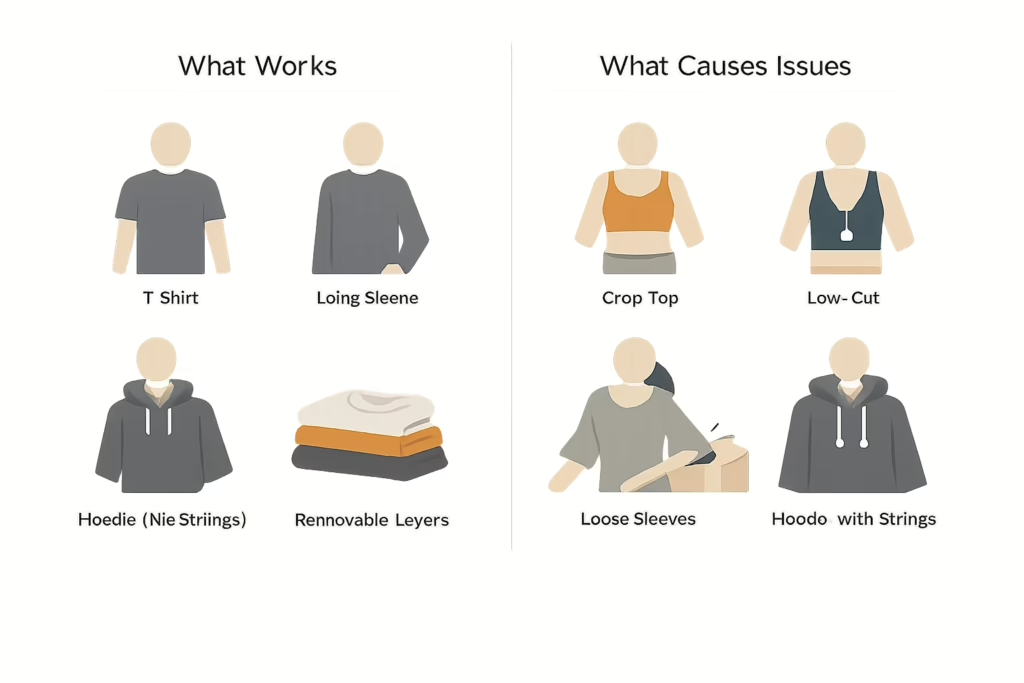
Tops: What Works and What Causes Issues
Shirts and tops are one of the easiest areas to get right, yet they are also where people make simple mistakes.
What Usually Works
- T-shirts with sleeves
- Long-sleeve shirts that fit close to the arms
- Hoodies or sweatshirts without loose strings
- Lightweight layers that can be removed easily
Comfort matters more than appearance here. Breathable fabrics help during physically demanding shifts, especially in warmer areas of the warehouse.
What Causes Problems
- Crop tops or backless designs
- Low-cut tops that shift while bending or lifting
- Sleeves that hang loose or flare outward
- Hoodies with dangling drawstrings
The rule of thumb is simple. If a part of your top can swing, dangle, or get caught, it probably does not belong in a warehouse.
Bottoms: Fit Matters More Than Style
Pants, shorts, and skirts all come with clear expectations, even if they are not always written out in detail.
Pants and Jeans
Fitted jeans or work pants are the safest choice. They stay in place, protect your legs, and do not interfere with movement. Stretch fabrics can help with comfort, but extreme tightness can be just as problematic as bagginess.
Baggy pants are usually flagged quickly. Excess fabric near the ankles or knees increases the risk of tripping or catching on equipment.
Shorts and Skirts
Shorts are allowed in many warehouses, but length matters. Knee-length or close to it is the standard expectation. Very short shorts tend to be stopped, not because of style, but because they offer little protection during physical tasks.
Skirts and dresses follow the same logic. If worn, they should reach the knee and allow free movement. In practice, most employees choose pants or shorts simply because they are easier.
Leggings
Leggings are often allowed when paired with a longer top, dress, or skirt that reaches the knee. The goal is coverage and practicality, not restricting personal preference.
Shoes: The One Area Where Rules Are Strict
If there is one part of the dress code that is non-negotiable, it is footwear.
Closed-Toe Is Mandatory
Open-toe shoes are not allowed under any circumstances. This includes sandals, slides, and flip-flops. Warehouses involve heavy items, rolling carts, and equipment that can cause serious foot injuries.
Slip Resistance Matters
Floors can be slick, especially near loading docks or areas with frequent movement. Slip-resistant soles reduce the risk of falls and are often required.
Steel-Toe or Safety Shoes
In many locations, steel-toe or composite-toe shoes are mandatory. Amazon often partners with safety footwear programs to make this easier for employees, but the requirement depends on the specific warehouse and role.
Running shoes may be acceptable in some locations, but only if they meet safety standards. When in doubt, safety shoes are the safest bet.
Hair, Beards, and Nails
These details are rarely discussed, but they matter more than people expect.
Hair
Long hair must be tied back. This applies to everyone. Loose hair can get caught in machinery or obstruct vision during tasks.
Beards
Beards should be kept tidy. In some cases, very long beards may need to be secured. The goal is preventing interference with equipment, not enforcing grooming preferences.
Nails
There are no strict length rules written into policy, but long nails can make lifting, scanning, and gripping packages uncomfortable or unsafe. Short and clean nails make the job easier.
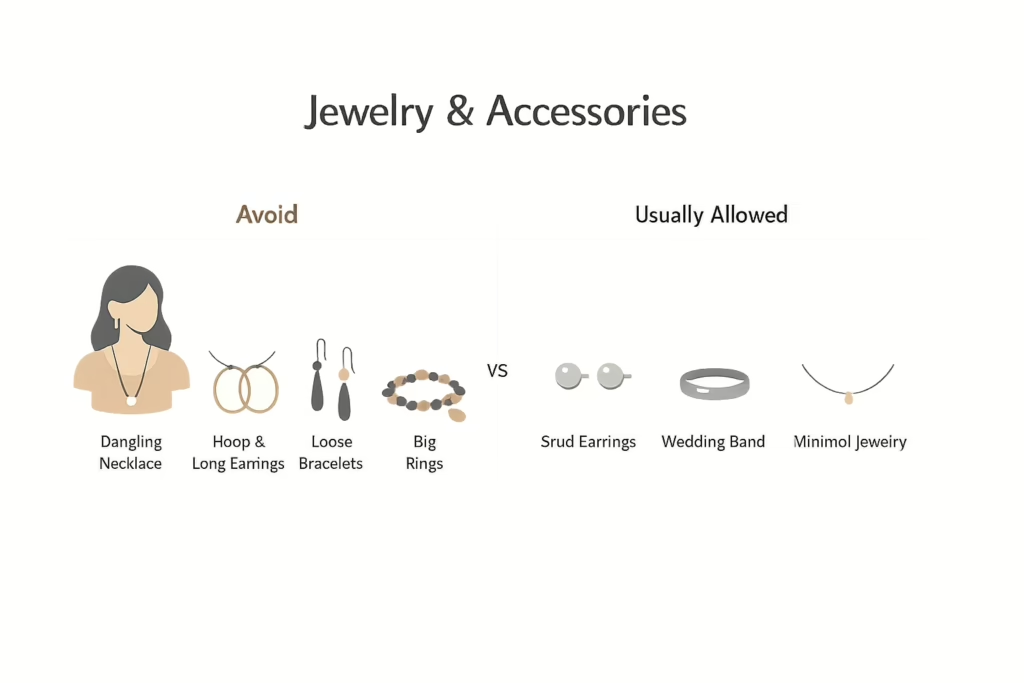
Jewelry and Personal Accessories
Jewelry is one of the most common sources of dress code violations in warehouses.
What to Avoid
- Dangling necklaces
- Hoop or long earrings
- Bracelets that slide or catch
- Rings that interfere with gloves or grip
These items can snag or distract, even if they seem harmless.
What Usually Passes
- Small stud earrings
- Simple wedding bands
- Minimal, non-dangling items
Phones, bags, and personal items are typically restricted to break areas. Carrying them onto the floor can lead to safety or security issues.
Required Safety Gear
Some parts of the dress code are not optional because Amazon provides them directly.
Depending on your role and location, this may include:
- High-visibility vests
- Safety gloves
- Protective eyewear
- Hearing protection
If safety gear is issued or required for a task, it must be worn. Ignoring it is treated as a serious violation, not a minor dress code issue.
Tattoos and Piercings: Where Amazon Is More Flexible
Amazon is relatively relaxed about tattoos and piercings compared to many employers.
Visible tattoos are allowed as long as they are not offensive, discriminatory, or explicit. Content matters more than placement.
Piercings are also generally allowed, including facial piercings. The main restriction is safety. Anything that dangles, swings, or could be pulled accidentally may need to be removed or replaced with a safer option.
Different warehouses may interpret this slightly differently, so observing what current employees wear is often the best guide.
Seasonal Adjustments That Actually Happen
Warehouse conditions change with the seasons, and Amazon adjusts expectations accordingly.
Hot Weather
In warmer months, lighter fabrics and short sleeves are common. Shorts are more widely accepted as long as they meet length guidelines. Hydration and airflow matter, and the dress code reflects that.
Cold Weather
In colder conditions, employees are allowed to wear layers, jackets, and insulated clothing. Outerwear must still allow movement and not interfere with safety equipment.
In extreme weather, waterproof or insulated gear may be permitted, especially in loading areas. These adjustments are practical, not cosmetic.
Interview Clothing: First Impressions Without Overthinking
Amazon warehouse interviews are not fashion tests. Still, what you wear signals whether you understand the work environment.
Business casual is usually the safest description, but that does not mean formal.
Clean jeans or pants, a simple shirt, and closed-toe shoes are enough. Avoid extremes. Showing up overdressed or underdressed can both feel out of place.
If the interview includes a warehouse tour, comfortable shoes matter more than anything else.
What Happens When You Break the Dress Code
Dress code violations are usually handled in steps.
First, an employee may be asked to remove or adjust the item. If that is not possible, they may be sent home to change. Repeated violations can be tracked through a points or warning system.
Serious violations, especially those involving safety gear, are treated more strictly. Ignoring required equipment can lead to disciplinary action quickly.
Most issues are avoidable. They usually come from small oversights rather than intentional rule-breaking.
Practical Advice From the Floor
If there is one thing experienced warehouse workers agree on, it is this: dress for the job you will actually be doing, not the one you imagine.
You will walk more than you expect. You will lift more than you think. Clothing that feels fine for an hour may feel very different after ten.
Choose outfits that disappear once you start working. If you stop thinking about what you are wearing, you probably chose well.
Final Thoughts
The Amazon warehouse dress code is not about control or appearance. It is about reducing risk, staying comfortable, and keeping operations moving without unnecessary friction.
There is flexibility built into the rules, but that flexibility works best when paired with common sense. Fitted clothing, proper shoes, minimal accessories, and attention to safety go a long way.
Once you understand the logic behind the rules, dressing for an Amazon warehouse becomes straightforward. And when your clothing supports the work instead of fighting it, everything else gets easier too.
FAQ: Amazon Warehouse Dress Code
1. Do Amazon warehouse employees have to wear a uniform?
No. Amazon does not issue a standard uniform for warehouse employees. Workers are free to wear their own clothing as long as it meets safety, comfort, and basic professionalism requirements. The focus is on what works safely on the floor, not on matching outfits.
2. What is the safest outfit choice for a first day at an Amazon warehouse?
If you want to avoid any issues, wear a fitted t-shirt or long-sleeve shirt, jeans or work pants, and closed-toe slip-resistant shoes. Avoid loose layers, dangling strings, and accessories. Simple, practical clothing almost always passes without comment.
3. Are shorts allowed in Amazon warehouses?
Yes, in most locations shorts are allowed. They should be around knee length and not overly tight or revealing. Shorts are more common in warmer months, but safety and coverage still matter.
4. What kind of shoes are required at Amazon warehouses?
Closed-toe shoes are mandatory. Many warehouses require slip-resistant soles, and some roles require steel-toe or composite-toe footwear. Running shoes may be allowed in certain locations, but only if they meet safety standards. When in doubt, safety shoes are the safest option.
5. Can employees wear hoodies at work?
Hoodies are generally allowed, especially in cooler areas of the warehouse. The main requirement is that any drawstrings or loose parts are secured so they do not hang or get caught in equipment.