

Naming a podcast isn’t just a checkbox – it’s a tone-setter. It’s the first thing listeners see, the thing they might repeat to a friend, and sometimes the reason they press play. A good name hints at what your show’s about without spelling it all out. It grabs attention, feels intentional, and stays searchable. Whether you’re launching a comedy show, true crime deep dive, or wellness chat series, your podcast name deserves more than a brainstorm in the notes app. Let’s dig into smart ways to name your show plus ideas that don’t sound like everyone else’s.
(more…)Author: World Arabia
-

Team Name Ideas That Feel Original and Actually Fit
Picking a name for your team shouldn’t feel like filling out a form. It’s the first thing people hear, the flag you fly, and sometimes the thing that sticks long after the project ends. Whether you’re naming a work squad, trivia crew, or school group, a good team name does more than label – it says something. It shows personality, intent, and maybe a little humor. In this guide, we’re skipping the tired clichés and diving into names that are clever, clear, and built to actually mean something to the people using them.
(more…) -

Boy Name Ideas That Feel Real, Not Random
Naming a boy isn’t just about what sounds good on paper. It’s about imagining that name in real life – on a toddler, a teenager, and eventually, an adult. Some names feel sharp and modern. Others carry history or a quiet kind of strength. Whether you’re after something rare, something classic, or just something that clicks, this guide brings together ideas with personality. No recycled name generators. No filler. Just options that feel like they could actually belong to someone you know or someone you’re about to meet.
(more…) -
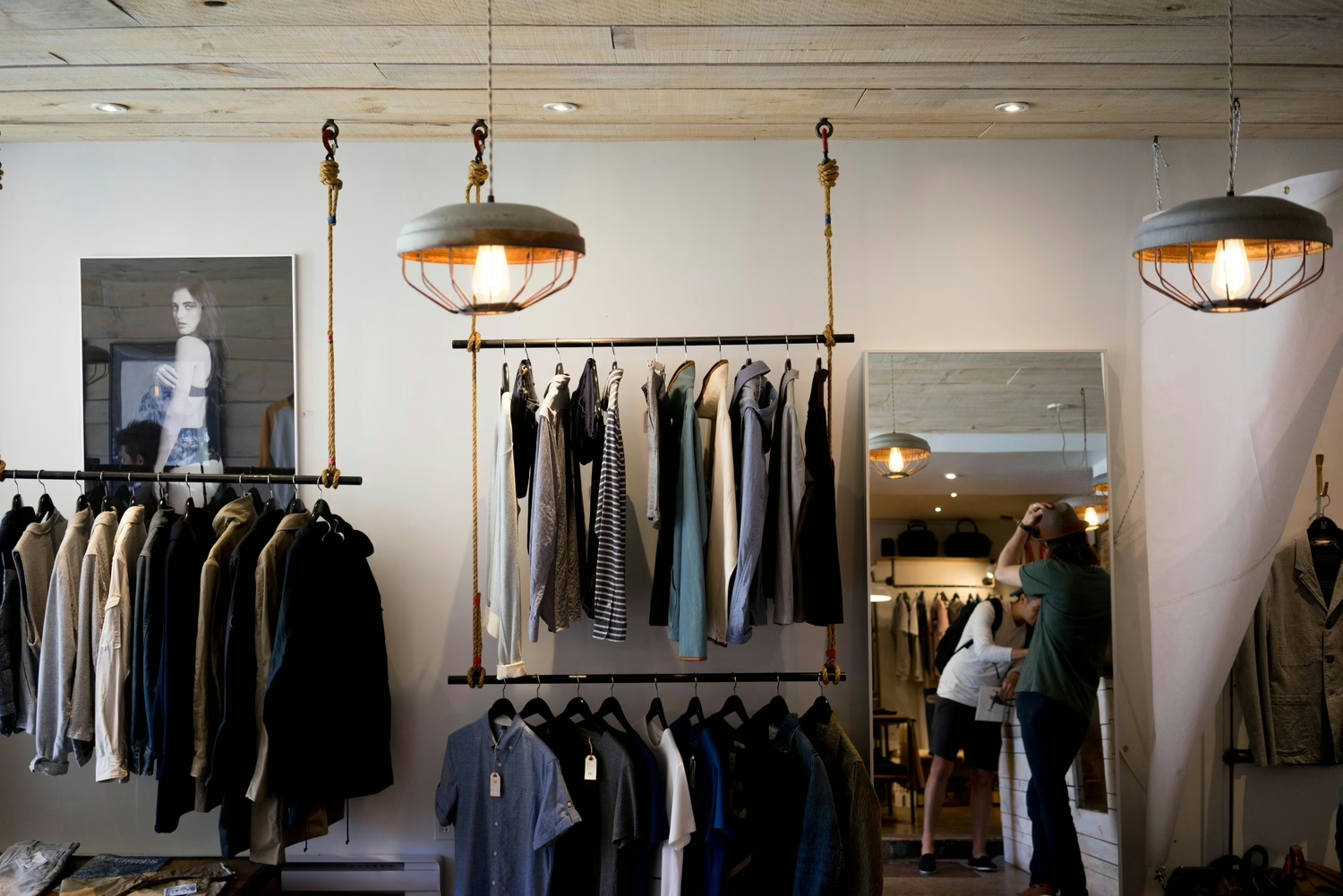
Top Clothing Brand Name Ideas That Don’t Feel Generic
Picking a name for your clothing brand isn’t just a creative step – it’s a strategic one. The right name can carry your brand’s voice, set expectations for your customer, and even guide the tone of your marketing. Whether you’re launching a laid-back streetwear label or a tailored luxury line, your name needs to land.
This guide covers a wide range of name ideas for different styles and niches. Each section gives the best original name ideas to work with. Use them as-is or as a springboard for your own twist.
(more…) -

Beautiful Child Name Tattoo Ideas Moms Will Actually Love
There’s something powerful about carrying your child’s name with you, quite literally, every day. For a lot of moms, a tattoo becomes more than just ink – it’s a quiet tribute, a moment sealed in time, a name that changed everything. Whether you’re into simple script or want something layered with symbolism, child name tattoos can be incredibly personal and beautifully understated. In this guide, we’re skipping the overdone stuff and looking at meaningful designs that feel honest, timeless, and worth the commitment.
(more…) -

Instagram Name Ideas That Don’t Sound Like Everyone Else’s
Finding the right Instagram name is harder than it should be. Most good ones are taken, and the rest sound like spam or a password reset. Whether you’re setting up a personal account, launching a niche page, or rebranding your content, your handle sets the tone. It’s the first thing people see, and sometimes the only thing they remember. This guide is for anyone tired of circling the same five ideas. We’ll walk through creative ways to name your profile, plus share plenty of ready-made Instagram handle ideas based on real trends.
(more…) -

Girl Name Ideas That Feel Like a Good Fit
Picking a name isn’t about checking boxes or chasing trends. It’s about finding something that feels natural – something that fits your daughter before she even arrives.
Some parents look for names with a soft sound. Others want something sharp, bold, or unexpected. There’s no right answer. What matters is that the name feels like yours.
This guide keeps it simple. No overload. No filler. Just a mix of names with character, names you can actually picture someone growing into.
(more…) -

Fresh Company Name Ideas for Every Type of Business
Coming up with a business name should be exciting, not exhausting. But let’s be real, most of us hit a wall after the fifth idea that sounds like a toothpaste brand or a tech startup from 2012. Whether you’re launching something bold, local, playful, or polished, the name sets the tone for everything that follows. It’s not just a label – it’s your first impression, your brand shorthand, and sometimes the reason someone clicks (or doesn’t). So if you’re circling the same tired options, this guide’s here to shake things loose and help you land on a name that feels like you.
(more…) -

Top Convenience Store Name Ideas for Your New Business
Starting a convenience store can be an exciting venture, but before you open your doors, there’s one crucial step: choosing the right name. Your store’s name is more than just a label – it’s your first impression and a key part of your branding strategy. A catchy and memorable name will not only make your store stand out, but it will also attract customers who remember you. If you’re stuck on where to start, don’t worry – we’ve gathered a list of creative and unique convenience store name ideas to spark your imagination and help you pick the perfect one. Let’s dive in!
Creative Convenience Store Name Ideas
Coming up with a creative name for your convenience store can help it stand out and make a lasting impression:
- SwiftPick Mart
- Urban Oasis Supplies
- Mystic Mart
- Happy Trails Convenience
- Pixel Pantry
- Twilight Storefront
- Everglow Essentials
- Cosmic Convenience
- Serene Stop
- Daydreamer’s Den

Unique Convenience Store Name Ideas
A unique name makes your store memorable and helps differentiate it from others in your area:
- Zephyr Zone Market
- GlowMart
- Nomad Nook
- WhiskAway Warehouse
- Bizarre Bazaar
- Quantum Quarters
- Elysium Emporium
- Riddle Retail
- Splendid Spree
- Paradox Pantry
Catchy Convenience Store Name Ideas
A catchy name is easy to remember and can quickly grab the attention of potential customers:
- Snack Sprint
- Blink Basket
- FastBuy
- Quick Quest Mart
- Flash Finds
- Swift Sip Stop
- Rush & Relay
- Glimpse Goods
- ZipZap Market
- Buzz Bodega
Funny Convenience Store Name Ideas
A playful, funny name can bring a smile to customers’ faces and make them curious about your store:
- SnackFest
- Sip ‘n Zip
- Bite Haven
- Crunch & Munch
- GoGoods
- Crave Craze
- Kwik Cartz
- Gulp ‘n Go Quick Stop
- BiteBoost
- Crave Cave Central
Short Convenience Store Name Ideas
Short and sweet names are easy to remember and perfect for customers on the go:
- Express Shop
- GoShop
- Pit Stop
- QuickGo
- Piccolo
- Shoplet
- RunBy
- GrabHub
- Breezy
- Snackaroo
Location-Specific Convenience Store Name Ideas
Using the name of your city or neighborhood can help create a community vibe and attract locals:
- Metro Munchies
- Harbor Haven Essentials
- Lakeside Larder Corner
- Downtown Dash Mart
- Village Vanguard Market
- Island Indulgences
- Riverbend Resupply
- Hilltop Hideaway Haven
- Plaza Provisions
- City Slicker Mart
Creative Convenience Store Names with a Twist
Add a little flair to your store name with these inventive options:
- QuickByte Mart
- BlinkBite
- MunchRush
- Swiftie’s Stop
- Nifty Nook
- Snackopolis
- Pint-sized Pantry
- ChowChute
- Noshville Emporium
- The Snack Spire
Convenience Store Name Ideas for Health and Wellness
If your store specializes in health and wellness products, these names could be a good fit:
- ZenZone Mart
- HealthyBite
- Vibrant Variety
- Pure Essentials
- Harmony Groceries
- FreshFusion Market
- Wellness Stop
- Mindful Mart
- Vital Goods
- Organic Oasis

Eco-Friendly Convenience Store Name Ideas
If you’re aiming for a sustainable and eco-friendly convenience store, these names emphasize environmental responsibility:
- EcoCorner Store
- GreenMart
- Pure Pantry
- Earth Essentials
- Refill Station
- Nature’s Nook
- EcoSupply Stop
- FreshLeaf Market
- GreenSprout Goods
- Sustainable Stop
Minimalist Convenience Store Name Ideas
Simplicity can be the key to a successful brand, and these names emphasize minimalism:
- The Nook
- Zest Mart
- Clip Mart
- Dash Stop
- Bolt Mart
- Rush Mart
- Spot Stop
- SnapStop
- Swift Shop
- Peak Mart
Convenience Store Name Ideas for Food Lovers
For stores with a focus on snacks and fast food, these names will capture the essence of delicious convenience:
- Snack & More
- Grab & Go
- MunchMate
- BiteRush
- TasteTap
- Nibble Nexus
- ChowLine
- Sip ‘n Snack
- YumMart
- Foodie Find
24-Hour Convenience Store Name Ideas
These names are perfect for a convenience store that’s open all day and night:
- 24/7 Express
- Day & Night Mart
- All-Day Essentials
- Round-the-Clock Resupply
- Non-Stop Necessities
- Anytime Mart
- Full Circle Corner
- Sunrise to Sunset Stop
- The Endless Mart
- The NeverClose
Convenience Store Name Ideas Inspired by Speed
If you want your store to be known for fast service, consider one of these speed-inspired names:
- Flash Mart
- Speedy Select
- SwiftStop
- Rapid Retail
- BlinkBuy
- FastTrack Essentials
- ZipShop
- QuickLink Mart
- Hustle Hub
- ZoomZone
Whimsical Convenience Store Name Ideas
Add some whimsy to your store’s name with these playful ideas:
- Lush Larder
- Scoot ‘n Shop
- Crunch ‘n Carry Cove
- Sip ‘n Dip Junction
- Bites ‘n Bits Bodega
- Quick Picks
- Snack Frenzy
- Munchie Maven
- Quirky Quarters
- SkipBeat Mart
Trendy Convenience Store Name Ideas
For a modern convenience store that appeals to younger, trendier audiences, consider these names:
- UrbanJet Quick Stop
- MetroMunch Fast Mart
- Infinite Essentials
- TrendMart
- PopStop
- FreshFix
- VibeMart
- Pulse Market
- BlinkShop
- FreshDash
Convenience Store Name Ideas with Alliteration
Alliteration can make your store’s name more memorable and catchy. Here are some options:
- QuickPick Provisions
- Speedy Snack Stop
- Bites & Bytes
- ZipZap Zone
- Snap & Snack
- Grab Goods
- Fresh Fix Mart
- Rush & Refresh
- Dash & Dine
- Sip & Snack
Conclusion
Choosing the right name for your convenience store is an important step that sets the tone for your brand. It should be catchy, memorable, and ideally reflect the type of products or services you offer. Whether you go for a creative, fun, minimalist, or location-specific name, make sure it resonates with your target audience. Remember, the best names are those that capture attention and make a lasting impression. So take your time, get creative, and choose a name that will help your business thrive.
-
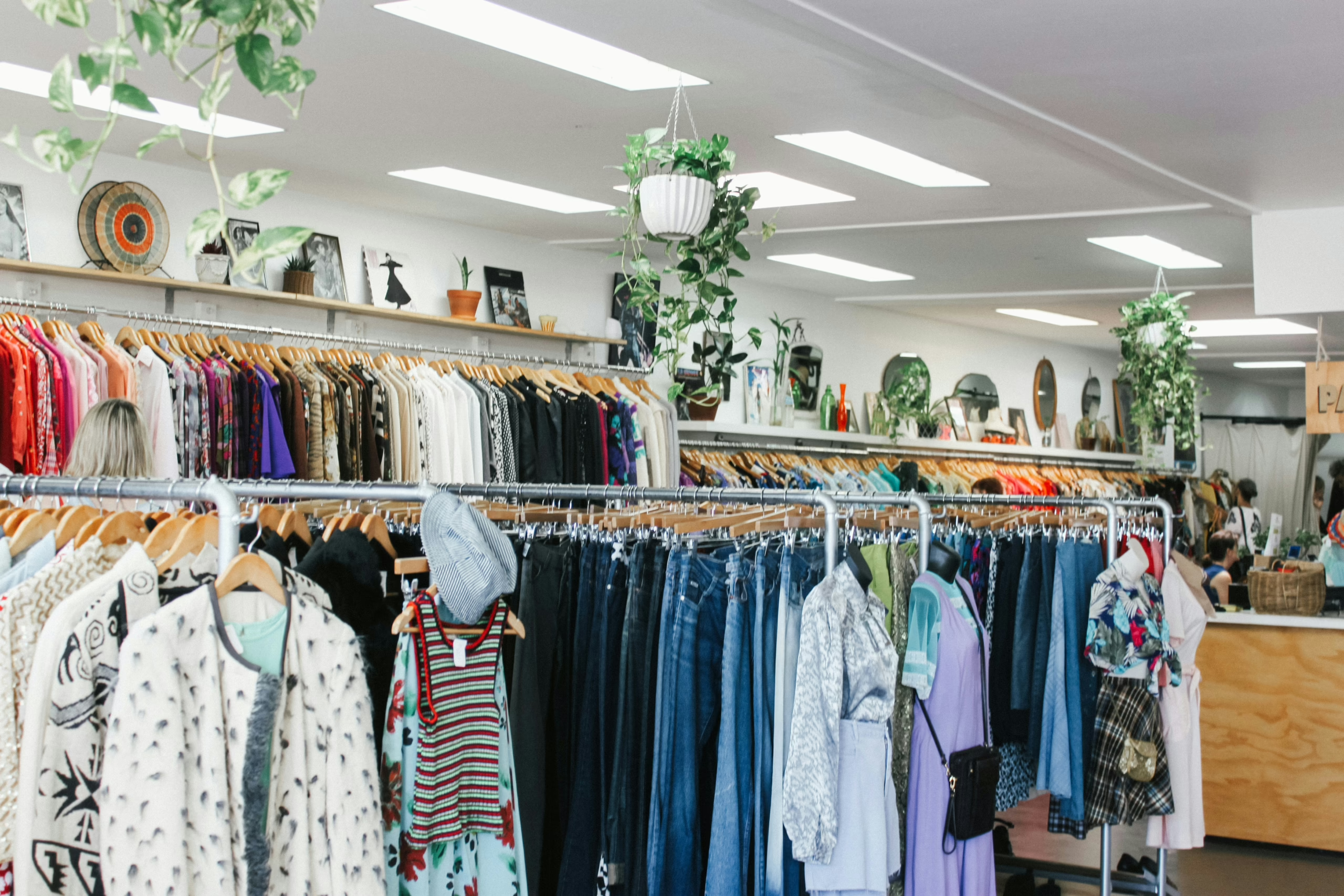
Unique Thrift Store Name Ideas to Help Your Vintage Shop Stand Out
Choosing the right name for your thrift store is no small task. It’s the first thing your customers will see, and it sets the tone for what they can expect inside. Whether you’re aiming for a quirky vibe or a sleek, modern look, your store’s name should speak to your values and the treasures you offer. In this article, we’ll explore a range of thrift store name ideas that can help your shop grab attention and build a strong, memorable brand. Let’s dive into some fun, creative, and unique name ideas to get your shop off to the right start!
Trendy and Fashion-Forward Thrift Store Name Ideas
For stores targeting younger, fashion-conscious customers, a name that feels modern and stylish is essential:
- Worn Theory
- Thread Haus
- Sleek Rinse
- Retrofit Rewind
- Vaulted Looks
- PreLoved Club
- Hype Loop
- Closet Redux
- Archive Avenue
- Label Revival
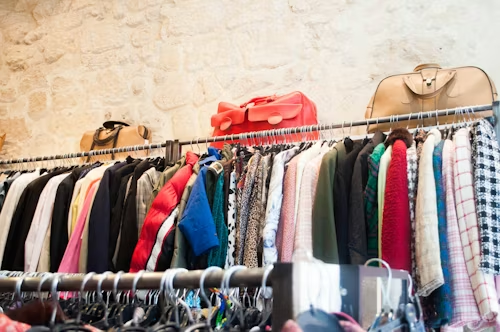
Quirky and Playful Thrift Store Name Ideas
If your store has a fun, lighthearted vibe, you’ll want a name that reflects that with charm and humor:
- Ragtag & Fabulous
- The Thrift Sift
- Thread Treaure Trove
- Nifty Thrifty
- The Bargain Boutique
- Finders Keepers
- Frilly and Found
- Auntie’s Attic
- Hodgepodge Haven
- Funky Junky
Chic and Boutique-Inspired Thrift Store Name Ideas
For high-end, curated secondhand fashion, a sophisticated and stylish name is the way to go:
- Maison Remode
- Nouvelle Chance
- Preloved Luxe
- Opal Wardrobe
- Mode Again
- Boutique Loop
- Curio Cloth
- Belle Recycle
- Silk & Salvage
- Twice Stitched
Vintage and Retro-Inspired Thrift Store Name Ideas
For stores that specialize in items from past decades or vintage treasures, a name that evokes nostalgia is key:
- Mod Threads
- Penny Vintage
- Disco Revival
- Retro Rerun
- The Velvet Loop
- Yesterwear
- Radio Thrift
- Tartan & Tulle
- Atomic Closet
- Cool Britannia Finds
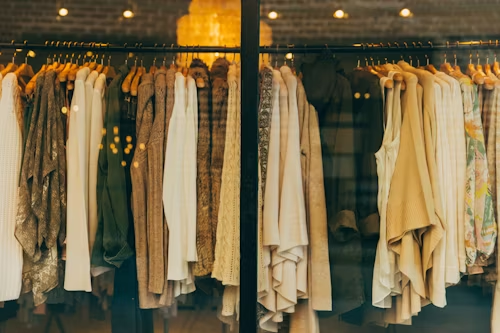
Minimalist and Aesthetic Thrift Store Name Ideas
These names should reflect calm, simplicity, and conscious design, ideal for stores focusing on neutral tones and clean aesthetics:
- Still & Worn
- Found Studio
- Drifted
- Linen Loop
- Repose Market
- Clarity Finds
- Noma Threads
- Earth Edit
- Aura Preloved
- Clean Slate Wardrobe
Community-Focused Thrift Store Name Ideas
A name that reflects your local community or neighborhood can help create a sense of connection:
- The Camden Cupboard
- East End Exchange
- Salford Stitch
- Brum Bargains
- Yorkshire Finds
- The Norwich Nook
- Glasgow Again
- Kentish Loop
- Shoreditch Seconds
- Hackney Hems

Funny and Punny Thrift Store Name Ideas
A little humor goes a long way in making your store memorable and fun:
- Thrift Shop ‘Til You Drop
- Once is Not Enough
- Déjà New
- Bargin’ Rights
- The Rebootique
- The Wearhouse
- It’s Sew Reused
- Take It or Sleeve It
- Attire Again
- Not My First Rode-Wear
Online Thrift Store Name Ideas
For online thrift stores, a name that’s easy to spell, share, and search is crucial:
- Studio Recycle
- Thrifted.co
- Threadscape
- Prelovely
- Once Threaded
- Mode Loop
- The Wardrobe Edit
- Rethink Threads
- Again & Co
- Tag Archive
Eco-Friendly Thrift Store Name Ideas
These names highlight sustainability, upcycling, and eco-conscious shopping, attracting customers who care about the environment:
- Green Finds
- Earthly Treasures
- Sustainable Styles
- Planet Picks
- The Eco Closet
- Renewed Relics
- Eco Exchange
- Second Chance Styles
- Reclaimed Closet
- Carbon Neutral Closet
Classic Thrift Store Name Ideas
Timeless names that embody the spirit of thrift and reliability:
- Timeless Treasures
- Vintage Vault
- Thrift Haven
- The Second Chance Shop
- Style Revival
- Treasure Trove
- Hidden Gems
- The Thrift Spot
- Rewind Wardrobe
- EcoVibe Thrift

Fashion-Inspired Thrift Store Name Ideas
A name that speaks to the fashion-conscious, ideal for stores specializing in clothing and trendy styles:
- Trend Threads
- Couture Curations
- ReStyle Studio
- The Fashion Rack
- Styled Again
- Classic Threads
- ReChic
- Luxe Rewear
- Vintage Couture
- The Style Exchange
Nostalgic Thrift Store Name Ideas
Names that evoke the past, perfect for stores offering retro items or antiques:
- Retro Relics
- Classic Curations
- Memory Lane Market
- Past Perfect Picks
- Nostalgic Nook
- Yesteryear’s Wardrobe
- Antique Alley
- Time Capsule Treasures
- The Golden Era Finds
- Flashback Finds
Affordable Thrift Store Name Ideas
If your store is all about budget-friendly finds, these names should reflect the value and accessibility you offer:
- Bargain Bin
- Thrift & Thrive
- Cheap Chic
- Thrift It Up
- Secondhand Steals
- Budget Finds
- Thrifted Treasures
- Style for Less
- Bargain Loft
- Dollar Threads
Upcycled Thrift Store Name Ideas
For stores focused on repurposing and upcycling, these names showcase the creativity and sustainability of your goods:
- Upcycle Studio
- The Reclaimed Room
- Rework Finds
- ReNew Threads
- ReImagine Closet
- Recreate Treasures
- Rescued Goods
- The Repurposed Rack
- Thrift & Create
- The Rebuilt Wardrobe
Gender-Neutral Thrift Store Name Ideas
These names appeal to all customers, regardless of gender, making everyone feel welcome:
- Neutral Finds
- All Styles Thrift
- The Thrift Exchange
- Common Goods
- Thrift Together
- The Apparel Vault
- Open Closet
- The Universal Shop
- Mixed Threads
- The Thrift Junction
Conclusion
Choosing a name for your thrift store is more than just a creative exercise – it’s about setting the tone for your brand, attracting the right customers, and creating a memorable experience. From quirky and fun to minimalist and sophisticated, the right name will help you stand out in a crowded marketplace. Use these ideas to inspire your search for the perfect thrift store name, and make sure it reflects your store’s personality, values, and mission.