Author: World Arabia

  • Is Cat Eye Discharge Dangerous?

    Is Cat Eye Discharge Dangerous?

    Key points

    • Eye discharge in cats is not a standalone illness but rather a symptom of an underlying condition;
    • Conjunctivitis, feline upper respiratory infections, corneal disorders, dry eyes, watering eyes, and uveitis are among the most common causes of cat eye discharge;
    • Genetic predispositions can also play a role in the development of eye problems in felines. Thus, for example, Persians and Himalayans are more likely to have eye boogers than other cats;
    • The appropriate treatment for your cat’s eye discharge problems will depend on the underlying cause of the condition;
    • In some cases, feline eye problems can lead to severe consequences such as blindness. Thus, it is crucial to consult a vet right after you notice the first signs of eye problems.

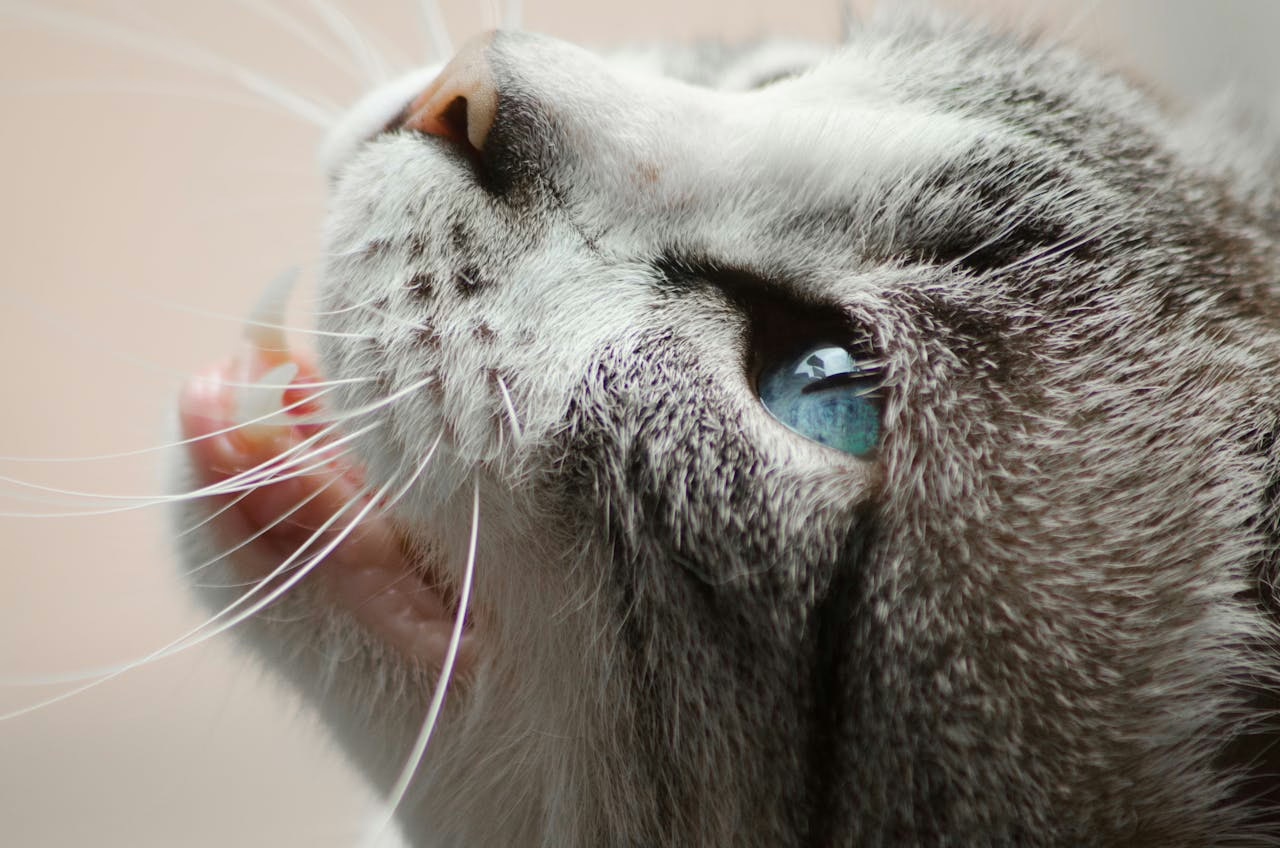
    Cat eye discharge is a common symptom of irritated eyes. The cause of such an irritation might be anything from a simple cold to a serious illness. The conjunctiva of the affected eyes is often red and sometimes even swollen. Since irritated eyes are itchy, cats typically try to scratch or clean them more often. If the inflammation is painful, the affected cats become very photophobic and squint their eyes.

    (more…)


  • How Can I Extend My Dog’s Life?

    How Can I Extend My Dog’s Life?

    Key points

    • The average lifespan of a dog depends on the breed and its living conditions. Smaller dogs tend to live longer than larger breeds;
    • A balanced diet, plenty of exercise, physical care, emotional care, and regular preventive visits to the vet will help your dog live a long and healthy life;
    • Dogs that are fed appropriately are less likely to suffer from diseases such as diabetes, obesity, or allergies. Thus, a proper diet is one of the most important factors in canine longevity.

    There is no doubt that the length and quality of our lives depend on our lifestyle. The same is true for dogs. Of course, certain predispositions also play a role, but there are proven measures you can take to improve and extend your dog’s life. 

    (more…)
  • Dog Colitis: Causes And Treatment

    Dog Colitis: Causes And Treatment

    Key points

    • Colitis is an inflammation of the large colon that is accompanied by diarrhea. Pets that suffer from colitis may also have blood and mucus in their feces and experience pain during defecation. This condition should be addressed with a vet as soon as possible.
    • There are three types of colitis: acute, episodic, and chronic. All of them should be treated by a professional, but acute and episodic colitis usually resolve on their own.
    • The most common causes of dog colitis are stress, trauma, parasites, allergies, and gut infections.
    • The cause of colitis in a dog determines its treatment. It usually involves following a strict diet and medication regimen.

    Colitis or large bowel diarrhea is a condition that causes inflammation of the large intestine. Colitis results in diarrhea or loose stool which usually contains blood or mucus. This can cause a lot of discomfort and even pain to dogs, but with proper treatment, your dog can overcome this condition pretty quickly.

    If you suspect that your dog has colitis, you should start treating this condition as soon as possible. In this article, we give a general overview of colitis in dogs, look over its causes, and talk about treatment options.

    (more…)
  • Feeding Guide for Kittens

    Feeding Guide for Kittens

    Key points

    • Kittens need more nutrients and calories than adult cats, so you need to feed them specialized kitten food until they reach 10-12 months of age. 30% of a kitten’s daily food intake should consist of high-quality protein.
    • You can feed your cat wet or dry food or alternate between them as long as you closely monitor how many calories your cat consumes. Be careful with homemade diets since these usually lack essential nutrients such as calcium. Make sure your cat gets enough calories by utilizing weight-age-calorie charts.
    • You can feed your cat a set number of times throughout the day or put the entire daily amount of food in the cat’s bowl so it can snack throughout the day. The choice will depend on your cat’s preference.
    • If you want to switch diets, don’t mix old food with the new one. Instead, put both types of food into two separate bowls and give them to your cat at the same time. Then gradually increase the amount of new food while decreasing the amount of old food in the bowl.

    If you just recently got your first kitten, taking care of it may seem confusing and even frustrating for you, as there are so many things to learn and keep in mind! And feeding a kitten is one of them. After all, a well-balanced diet combined with correct portion sizes can ensure that your cat lives a long and healthy and long life.

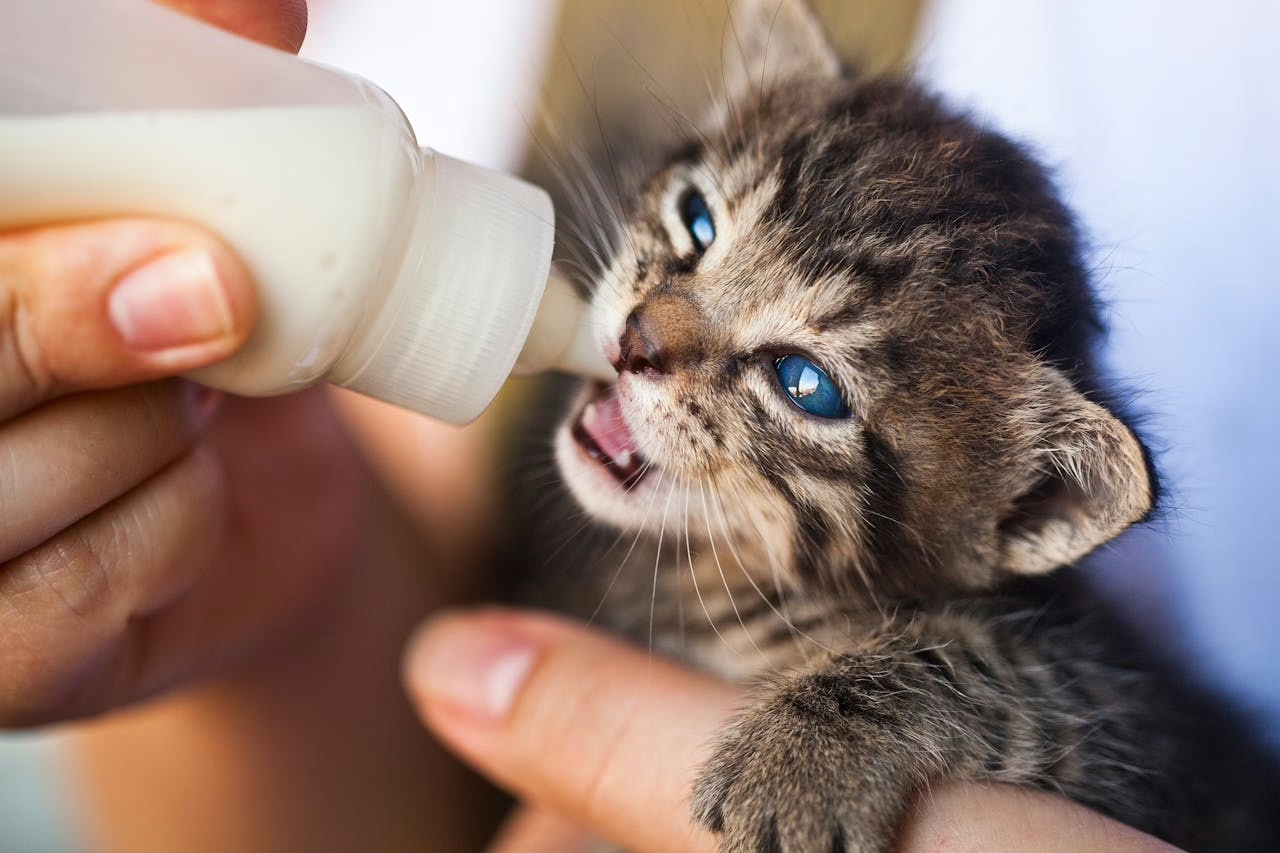
    For the first four weeks of their lives, kittens drink their mother’s milk and don’t consume anything else. After 4 weeks, the weaning process begins. During this time, a kitten is gradually introduced to solid foods. In this article, we’ll give you guidelines for feeding a kitten that’ll help your pet grow up healthy and happy.

    (more…)
  • All You Need To Know About Feeding Puppies

    All You Need To Know About Feeding Puppies

    Key points

    • Puppies should eat a well-balanced and complete diet suitable for their age, weight, and breed. The formulas for large and small breeds are different, and there are varying dietary recommendations for each breed. You should consult your dog’s veterinarian or breeder when choosing a diet.
    • You should switch your puppy to adult food when it reaches 6-12 months of age. This is usually done after spaying or neutering the pet.
    • Use a growth-and-weight chart or consult a veterinarian to determine how much food you should give your dog. Pet owners tend to overfeed their puppies which will only harm your dog. 
    • Some of the foods that you can’t give puppies and adult dogs include chocolate, garlic, onions, almonds, ice cream, raisins, grapes, and alcohol.

    Feeding a puppy can be very overwhelming, especially if you are a first-time pet owner. A healthy and well-formulated diet can increase your puppy’s life expectancy, minimize the risk of many health issues, and generally keep your dog happy and active. Nowadays, most dog food is processed, but it only improves the formula and the quality of the product. But with all the variety of options that the market offers, how can we know which food to choose for a puppy and how to feed it? 

    Choosing dog food is indeed a time-consuming and challenging process, and it’s better to consult a veterinarian if you’re not sure what your puppy needs or have other questions about your dog’s feeding regimen. You can find a general puppy feeding guide below, which hopefully will give you a better understanding of how to feed your puppy. 

    (more…)
  • Cat Dementia: Causes And Treatment

    Cat Dementia: Causes And Treatment

    Key points

    • Older cats tend to face different age-associated disorders, and one of these is cognitive dysfunction syndrome or dementia. This condition affects a feline’s cognitive functions and is connected with brain aging.
    • The symptoms of cat dementia include disorientation, alterations in the sleep-wake cycle, changes in interactions with others, house soiling, and changes in the activity level.
    • The condition is irreversible, but if you stay determined to provide your cat with a healthy and balanced diet, you can slow down the progression of dementia and decrease your cat’s discomfort.
    • A proper diet for cats with dementia should include a lot of antioxidants, vitamins E and C, and fats such as Omega-3. Switching your cat to an insect protein diet may also be beneficial, as it contributes to healthy cognition.

    Domestic cats have a longer life expectancy than wild cats, which gives us as pet owners more years to enjoy our furry friends. But unfortunately, this increased longevity can be marred by many age-associated disorders and complications. 

    Cat dementia or cognitive dysfunction syndrome (CDS) is a degenerative process in a cat’s brain that decreases cognitive function. This condition affects senior cats, and it is directly connected to brain aging. This condition makes it harder for your pet to learn and memorize things, lowers their awareness, and makes their responses to different stimuli slower. CDS itself has no severe symptoms in the early stages, but it tends to get worse over time, which is known as “cognitive decline”. 

    (more…)
  • What Can I Give My Dog For Pain?

    What Can I Give My Dog For Pain?

    Key points

    • The causes of pain in dogs are highly diverse. In addition to obvious factors such as injuries, accidents, etc., internal illnesses also cause pain;
    • It is dangerous to give a dog medications from a human medicine cabinet. Common painkillers such as aspirin, naproxen, and ibuprofen can cause life-threatening conditions when used in animals;
    • Some painkillers such as carprofen, etodolac, meloxicam, deracoxib, and firocoxib are designed specifically for dogs;
    • Potential side effects of pain relievers can include vomiting, diarrhea, gastrointestinal bleeding, and liver and kidney damage.

    Just like humans, dogs can suffer from pain. This pain can be acute or chronic and have very different causes varying from illnesses to injuries. Sometimes, dogs can be in so much pain that they refuse to eat, walk, or participate in physical activity. In some cases, dogs might also try to hide pain, so they don’t appear weak and vulnerable. Therefore, their owners often may not notice that their pets are enduring discomfort. However, you should treat canine pain and its underlying cause as early as possible to prevent the development of chronic pain.

    As a pet owner, you should know how to recognize pain in your four-legged friend, which painkillers are suitable for dogs, and what side effects they can cause. While pain medication can be a helpful solution for treating pain, it may not be the most practical one. Also, you should never give pets pain medications meant for humans.

    (more…)
  • Limited Ingredient Diets For Cats

    Limited Ingredient Diets For Cats

    Key points

    • A limited ingredient diet for cats contains a very limited number of high-quality ingredients. LID is particularly suited for cats with sensitive stomachs;
    • LID typically contains one novel protein source and one carbohydrate source. Eggs, soy, grain, preservatives, and artificial ingredients are omitted in LIDs;
    • Limited ingredient food can also be used as a trial diet to determine what ingredients a cat is allergic to;
    • Beef, dairy products, lamb, white fish, eggs, chicken, cereal, and soy products are most commonly associated with food allergies in cats;

    Nowadays, limited ingredient cat food is gaining widespread popularity. Veterinarians often recommend these diets to treat feline food allergies. 

    However, are you sure that you know everything about limited ingredient diets? Before trying this type of food out, you need to have a clear understanding of its features, the benefits it can provide, and how it compares to other cat food available on the market today.

    (more…)
  • Raw Food Diet For Cats Explained

    Raw Food Diet For Cats Explained

    Key points

    • Raw cat food is made with unprocessed products such as animal meat, organs, and bones. Raw food diet is also known as the BARF diet, which stands for “biologically appropriate raw food” or “bones and raw food.” 
    • Raw cat food is similar to the natural diets of felines living in the wild and offers many health benefits. For instance, it can lower the cat’s risk of kidney or urinary diseases, improve dental health, help maintain water balance, and contribute to the general health state.
    • By feeding a raw diet to your cat, you run an increased risk of pathogen poisoning and cross-contamination. That is why you should be cautious when preparing raw food. Plus, a raw diet is not recommended for cats with immune diseases, and it should be avoided in households with children or elderly people.
    • If you want to switch your feline to a raw food diet, you can go with home-cooked meals or use commercially available raw diets. Remember, homemade raw diets should be formulated by your veterinarian to ensure that they contain appropriate calories and nutrients.

    Today, cat owners have so many options when it comes to their pets’ diets that it can be tough and confusing to choose the best one. Some pet parents stick to traditional home-cooked meals because they want to know what exactly is in their cats’ food. Homemade diets for cats can be cooked or raw, and many pet owners opt for raw diets because they resemble the cat’s diet in the wild. But is a raw diet actually good for cats? 

    (more…)
  • Cat Food For Allergies

    Cat Food For Allergies

    Key points

    • Hypoallergenic cat food does not contain ingredients and substances that are associated with food allergies in pets. Thus, if a cat is prone to food allergies, a hypoallergenic diet might be a reasonable choice;
    • Food allergies are defined as an abnormal reaction of the immune system, which is triggered by contact with a specific food component (this is often a protein);
    • The most common cat food allergens include beef, fish, dairy products, lamb, wheat, and corn gluten. Additives are also likely to cause food allergies.

    Just like humans, cats can develop an allergic reaction or tolerance to certain foods. If your cat shows symptoms of a food allergy or intolerance, it is essential to understand what options you have to help your pet live a healthy life.

    Bald spots in the fur, rash, diarrhea, or flatulence are typically the first symptoms to signal that your pet is suffering from food intolerance or allergy. 

    In general, owners should not ignore the symptoms of food allergies in cats because the condition has a negative effect on the well-being of the animal. If you observe any allergy symptoms in your pet, you should make an appointment with a trusted veterinarian to investigate the causes and take further steps that can help the animal.

    Veterinarians often recommend special diets for pets suffering from food intolerance or allergies. One possible option is hypoallergenic cat food. The composition of this food is specifically tailored to the nutritional needs of cats with allergies. 

    (more…)