
Author: World Arabia

  • Dog Hemorrhoids: The Ultimate Treatment Guide

    Dog Hemorrhoids: The Ultimate Treatment Guide

    Key points

    • Hemorrhoids are a condition where the veins located in the lower rectum become swollen and enlarged if left untreated for a long time. This condition is commonly confused with other digestive diseases such as anal sac issues and prolapsed rectum.
    • The symptoms of hemorrhoids in dogs include bleeding from the rectum, pain, difficulty trying to sit down, and dragging the bottom across the ground.
    • To prevent hemorrhoids in dogs, add a lot of fiber to your pet’s diet, keep it hydrated, give the dog enough exercise, and keep the pet at a healthy weight.
    • Hemorrhoid treatment will depend on the underlying issue that’s causing the condition. It may include using medications, topical creams, even minor surgical procedures.

    Hemorrhoids are a medical condition in which veins located in the lower rectum become swollen. Over time, they become distended and may appear on the outside of the anus, causing a lot of discomfort. Hemorrhoids are also sometimes called piles, and the condition is very similar to varicose veins in other parts of the body. The condition can be embarrassing and painful for some people, but is it the same for dogs? What is the difference between human hemorrhoids and dog hemorrhoids? We will reveal the answers in this article.

    (more…)

  • Is Turmeric Good For Dogs?

    Is Turmeric Good For Dogs?

    Key points

    • Turmeric is an Indian spice that has a pungent, spicy flavor. It has been used for medical purposes for more than 4,000 years.
    • Turmeric health benefits for dogs include anti-inflammatory and antioxidant effects, as well as pain relief and treatment for cancer, arthritis, and different gastrointestinal disorders. Studies have proven that turmeric works just as efficiently as many conventional drugs, including steroids, ibuprofen, and aspirin.
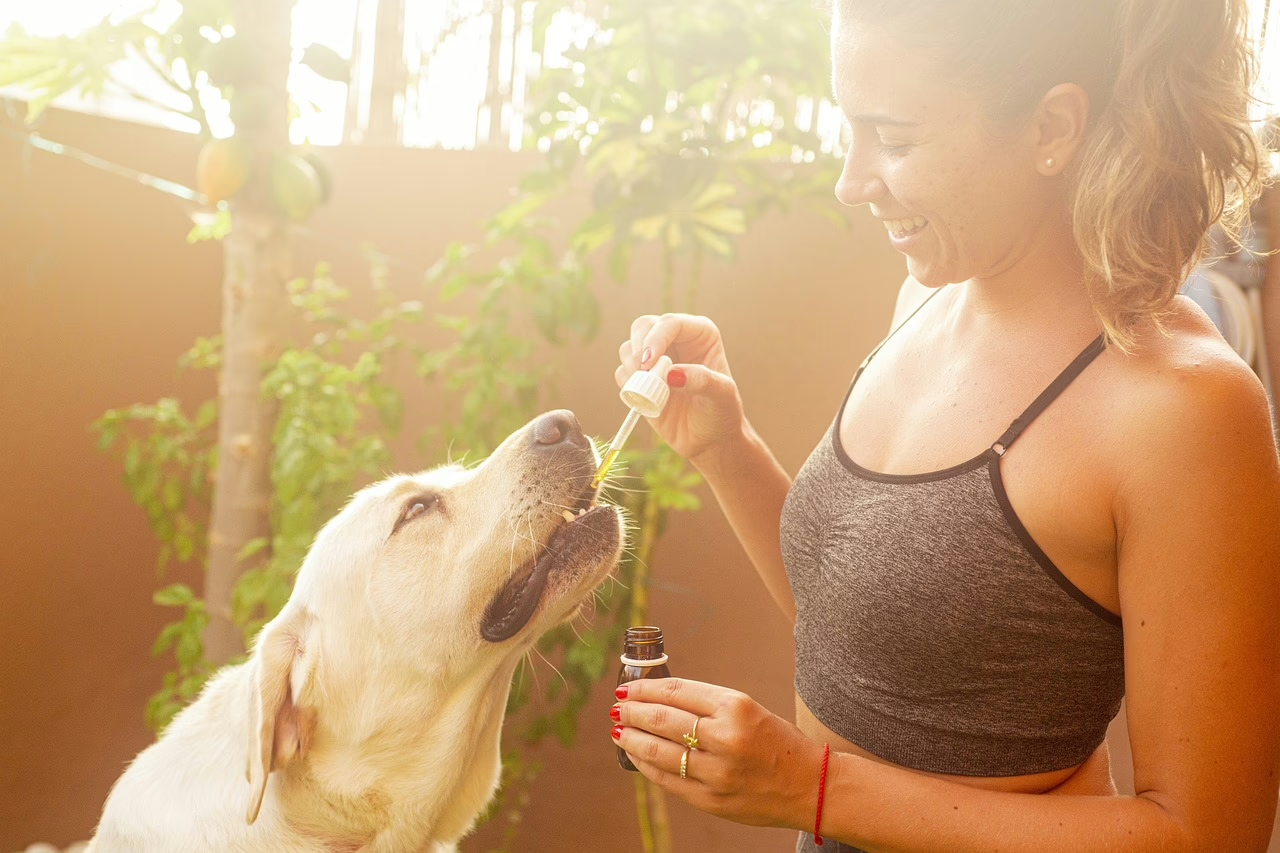
    • You can give turmeric to your dog in the form of turmeric paste or drops, chewable tablets, or different turmeric treats.
    • Turmeric doesn’t have any specific side effects, but if you give it to your dog in large amounts, the pet might experience stomach upset, diarrhea, and, less commonly – vomiting.
    • The appropriate turmeric dosage for dogs is 15 to 20 mg of turmeric per pound of body weight.

    People in India have been using turmeric for thousands of years because of its potent medicinal properties. For now, there haven’t been any studies that examined turmeric’s benefits for dogs. However, scientists have conducted more than 6,000 studies that have proven turmeric’s anti-inflammatory and antioxidant effects. Based on this information, many veterinarians advise using the spice as a health supplement for dogs. Plus, many pet owners are turning to natural remedies rather than prescription medications for their pets, and this gold-colored powder can help relieve pain and canine chronic inflammation, contribute to your dog’s overall health, and increase its lifespan.

    (more…)
  • Apple Cider Vinegar: A Home Remedy For Dogs

    Apple Cider Vinegar: A Home Remedy For Dogs

    Key points

    • Apple cider vinegar is a very common home remedy made by fermenting sugar from apples. Yeast and bacteria are combined to create a “mother” during the fermentation process, and this combination is responsible for the product’s health properties.
    • Apple cider vinegar can help relieve pain and itchiness, prevent urinary tract and skin infections, help clean the pet’s ears, lower blood sugar and cholesterol levels, remove toxins from the kidneys, and contribute to the pet’s overall gut health.
    • Apple cider vinegar can be used in the form of liquid, spray, wipes, and capsules.
    • Not all dogs react well to apple cider vinegar. It’s not recommended to use ACV with low pH (<6) for dogs because the pet may experience vomiting, diarrhea and constipation. Using apple cider vinegar too often or giving it in large doses can cause adverse effects as well, so always run a 24-hour spot test before giving your dog ACV.

    Using home remedies as an alternative to conventional drugs is becoming more and more popular. Apple cider vinegar is one of the most commonly used home remedies both for humans and for dogs, and its usage dates back to 400 B.C. This remedy is known to have many health benefits from aiding with weight loss and to helping with flea prevention and skin itchiness.

    Apple cider vinegar is produced by fermenting sugar from apples which results in acidic vinegar. This vinegar contains acetic, lactic, malic, and citric acids. Apple cider vinegar helps to balance the body’s pH and improves digestion. There aren’t many studies that prove apple cider vinegar’s benefits, but many medical trials and customer reviews show that using the remedy can have positive results.

    (more…)
  • Are Cherries Bad For Dogs?

    Are Cherries Bad For Dogs?

    Key points

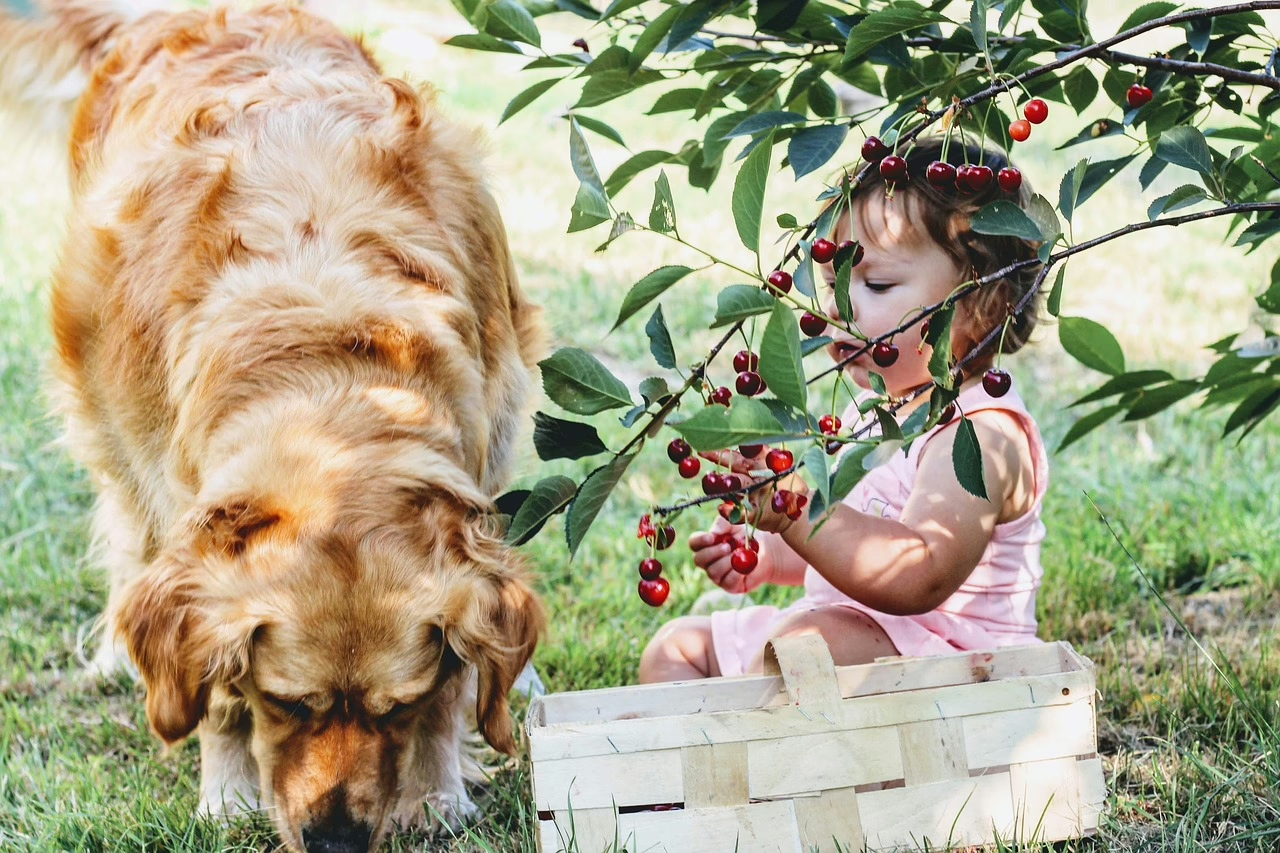
    • Cherries are not the best fruits to offer your dog, and they can be dangerous if consumed without caution.
    • Cherries can cause intestinal blockage or cyanide poisoning in dogs. The symptoms of intestinal blockage include vomiting, constipation, lethargy, and decreased fecal production. The symptoms of cyanide poisoning include salivation, panting, and even convulsions and paralysis.
    • Avoid giving your dog cherry-flavored products, as they are packed with chemicals, artificial flavors, and sugar.
    • Safer fruit alternatives to cherries for dogs include bananas, apples, cantaloupe, cranberries, blueberries, and mango.

    High levels of vitamins A, C, and K, minerals like potassium, magnesium, and calcium, as well as antioxidants, beta-carotene, and melatonin make cherries a perfect tasty snack. Cherries can also help with different health conditions, from improving blood sugar control to reducing hypertension and providing pain relief. However, to experience any of these benefits, a dog would have to eat a significant amount of these berries. But is it safe for dogs? 

    While generally adding fruits to a pet’s diet is a great way to provide it with the necessary vitamins and minerals, cherries may bring more harm than benefits to canines.

    (more…)
  • 10 Common Causes Of Heavy Panting In Dogs

    10 Common Causes Of Heavy Panting In Dogs

    Key points

    • Panting is a normal behavior dogs use to avoid overheating. So, there is no need to worry if your dog is panting on a hot day or after exercising;
    • Heavy panting with no apparent reason might be a sign of an underlying medical condition, such as laryngeal paralysis, pneumonia, lung tumors, anemia, or Cushing’s syndrome;
    • Heatstroke is another dangerous cause of panting in dogs, which might lead to dehydration or even death;

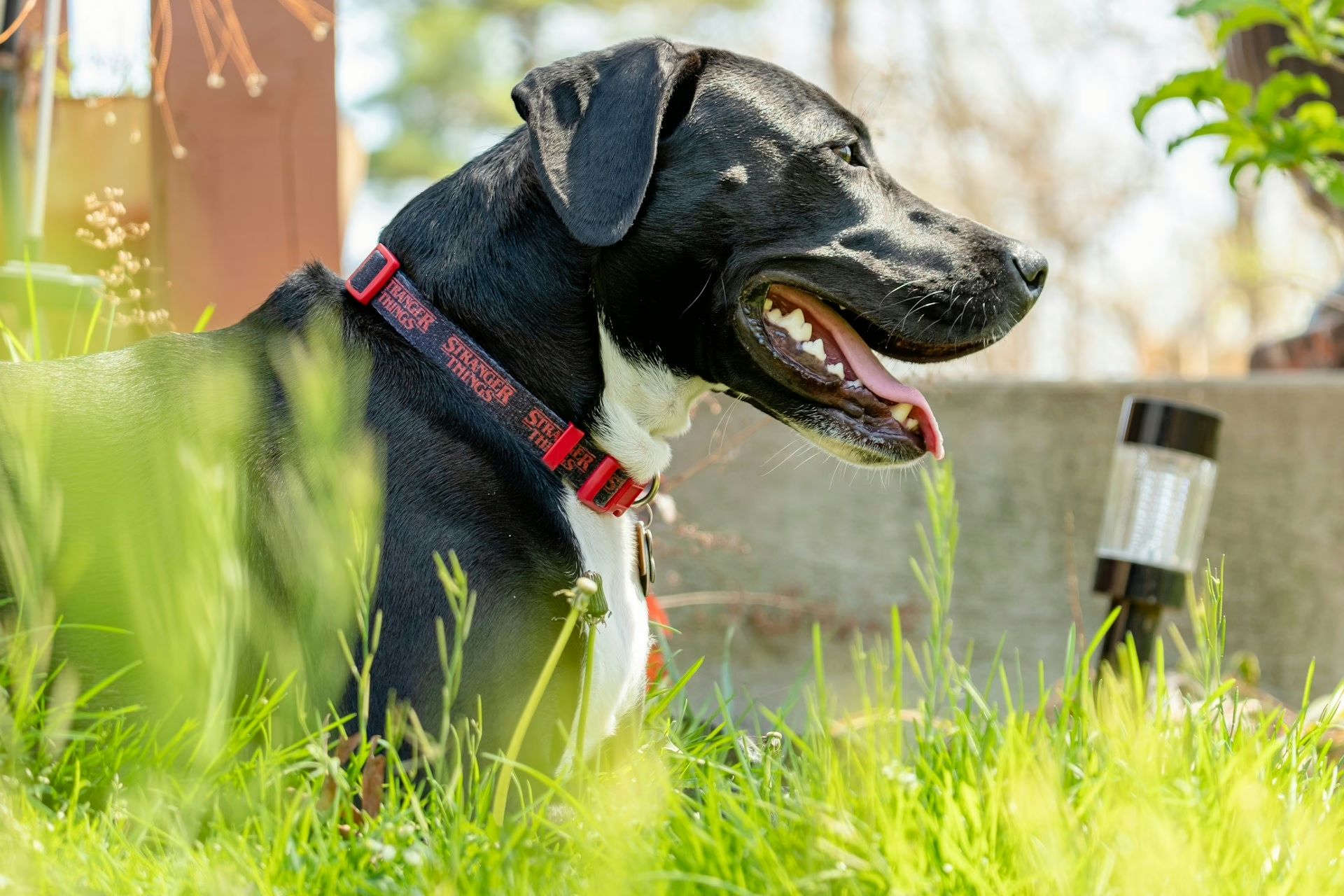
    Panting is completely normal behavior for dogs. The dog will stick out its tongue, inhale air through its nose, and exhale it through its mouth. The airflow caused by panting increases moisture evaporation from the mucous membranes, which leads to a drop in body temperature. Dogs can’t sweat as much as humans, so they need to pant to avoid overheating. Vigorous panting is also important after exertion or in extreme heat. And if the dog is panting during or after emotional excitement, this is also classified as normal behavior.

    However, heavy panting is different. If you see that your dog pants all the time for no apparent reason, e.g., even in relaxed situations, you should call a vet. This behavior could be occurring due to an illness that cannot be seen at first glance, such as a heart problem. And if you notice symptoms such as cough, fever, or vomiting in addition to panting, it could be a sign that your pet is suffering from a severe disease.

    (more…)
  • Everything You Need To Know About Hot Spots On Dogs

    Everything You Need To Know About Hot Spots On Dogs

    Key points

    • A hot spot is a red, inflamed skin lesion caused by a dog scratching an itchy spot on its body; 
    • Any condition that causes your dog to scratch itself can result in a hot spot;
    • Once you notice a hot spot on your dog’s body, you should immediately stop your pet from biting, licking, or chewing the affected area.
    (more…)
  • How To Make A Dog Vomit?

    How To Make A Dog Vomit?

    Key points

    • If your dog has swallowed a poisonous substance, it does not automatically mean you should make the pet throw up;
    • It can be dangerous to induce vomiting in dogs that have ingested sharp objects, caustic liquids, or oils. Also, you shouldn’t try to make the dog vomit if it is unconscious or having a seizure;
    • Hydrogen peroxide is the safest option for inducing vomiting in dogs at home.

    It’s safe to say that all caring dog owners worry about the possibility of accidental poisoning in their pets. After all, dogs have a habit of putting all sorts of nasty things in their mouths. And unfortunately, in some cases, your dog may even get poisoned on purpose. Regardless of the circumstances under which the pet has swallowed a harmful substance, your first question will probably be “How to make my dog throw up?”. Vomiting is an effective way to remove poisonous substances like raisins or human medications from your dog’s stomach. However, you should know how to induce vomiting in dogs safely.

    (more…)
  • Everything You Need To Know About Introducing Two Cats

    Everything You Need To Know About Introducing Two Cats

    Key points

    • Generally, cats that are similar in age, sex, temperament, and breed, will be the easiest to introduce;
    • It might take two cats anywhere from a few weeks to a few months to become friends;
    • If one of the cats seems to be extremely aggressive after the first meeting, you should consider separating both pets again for some time.

    Many cat owners consider bringing home a second feline. If you are also thinking about getting a new cat in addition to your current pet, you should get ready for a challenging introduction. You may have heard that cats are solitary hunters. The average prey caught by a small cat is more of a snack than a full meal. A mouse or a young bird cannot be divided among several pack members; no group of cats would be satisfied with such prey. For this reason, the cat hunts and eats its prey single-handedly. Hunting makes up a large part of a cat’s life, so wild cats live alone for most of the year. 

    Of course, contact with humans has changed the cats’ character. Indoor cats are used to our company. However, if you want to create a friendship between two cats, you should proceed cautiously and refrain from spontaneous purchases. Making a plan and putting some framework conditions in place before getting a new cat can help make the introduction a success! 

    First of all, you should make sure that sufficient resources are available to ensure that there are no fights between your pets. In practical terms, this means that there should be no competition for food or quiet resting places. A large, airy, and above all, clean litter box should also be available for each cat. The same is true of the attention provided by you and your family members. If these basic requirements are met, there’s no reason not to purchase a second cat.

    (more…)
  • The Ultimate Guide To The Best Service Dog Breeds 

    The Ultimate Guide To The Best Service Dog Breeds 

    Key points

    • Service dogs are trained to assist people with mental or physical disabilities in their everyday lives;
    • Labradors, Golden Retrievers, German Shepherds, Poodles, Boxers, Great Danes, Border Collies, Bernese Mountain Dogs, Pomeranians, and Cavalier King Charles Spaniel are considered to be the best service dog breeds;
    • A good service pet should exhibit qualities such as a desire to work, calm demeanor, intelligence, friendly disposition, and obedience;

    Dogs are truly incredible creatures. They can not only be faithful companions who enrich our lives but also make the daily routine of many people much easier. A special category of dogs, namely service dogs, is extremely helpful for those who suffer from mental, emotional, or physical health issues. Tasks performed by a service dog may vary from calming down the owner to helping mobility-impaired people walk. 

    (more…)
  • How To Train A Puppy: A Guide

    How To Train A Puppy: A Guide

    Key points

    • It’s best to start house training your puppy when it’s 12-16 weeks old because, by this time, the pet will be able to learn how to hold it. 
    • Remember that reinforcement and consistency are the keys to successful training. Engage all the family members in the training process and support your pup all the time. Give your dog clear signals when it does something right or wrong so that it can understand how to behave.
    • House training a dog takes approximately 4-8 weeks, but it really depends on the puppy and is rather individual. If, however, your puppy takes too long to learn, consider taking it to the vet to check for potential urinary problems.

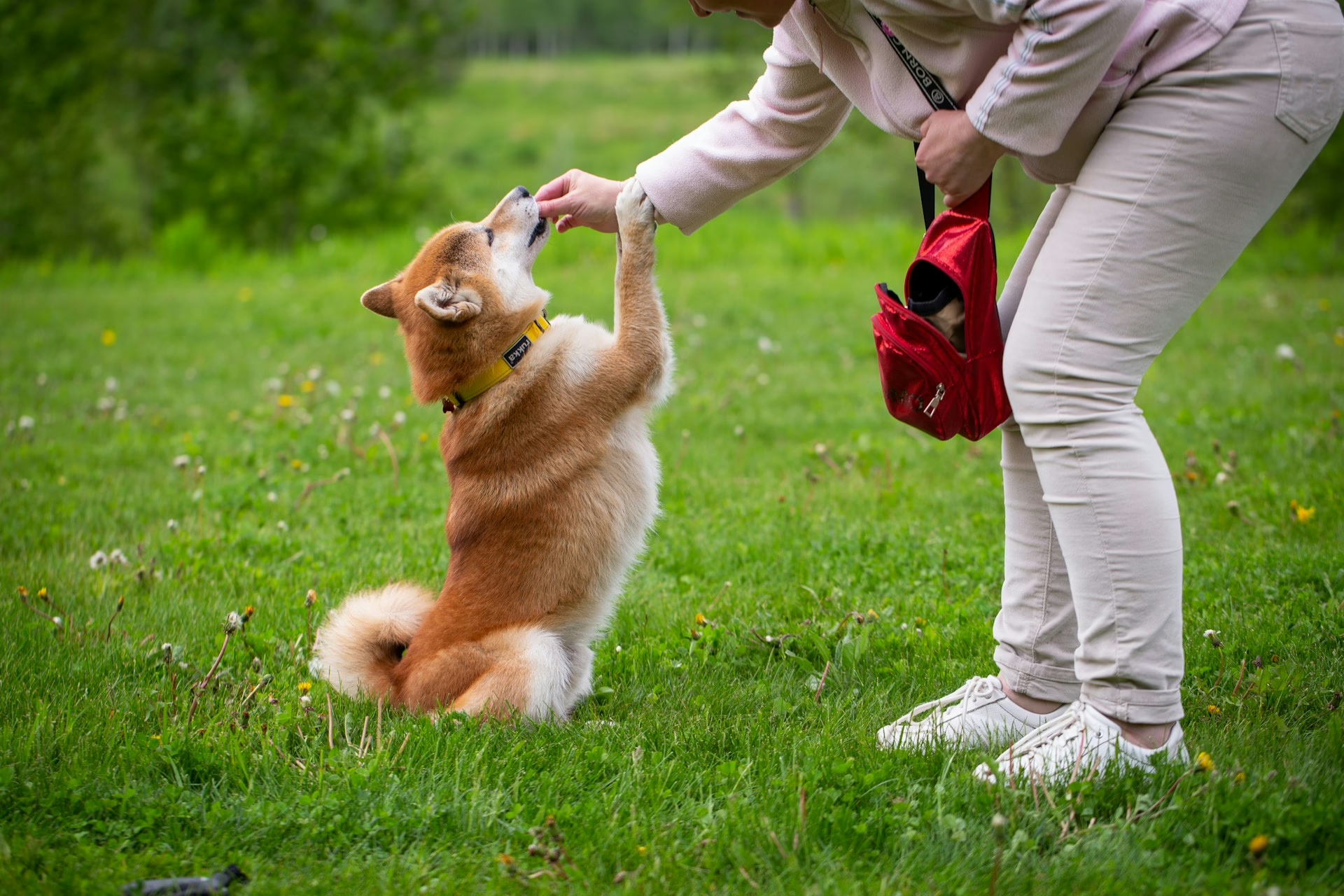
    The most important part of owning a dog is to train it well, and it’s easier said than done. Training any dog requires patience, consistency, and setting realistic goals, and the earlier you start training your pet – the better. Some pups can take only 4 months to be trained, while others require up to one year. There may be many obstacles on your way, and at some point, you may even need to give yourself and your dog a little break, but as long as you continue the training and reward your pup, you’ll reach desirable results eventually. If you just recently became a first-time dog owner or you realize that you could have done a better job last time, here are some tips that will make this process faster and less stressful for you and your dog.

    (more…)