
Key points
- Cats rarely complain about pain. Therefore, it is essential to keep a close eye on them.
- Medications that are relatively well-tolerated by humans can lead to severe poisoning in cats.
- Opioids, corticosteroids, and gabapentin are among relatively safe painkillers for cats.
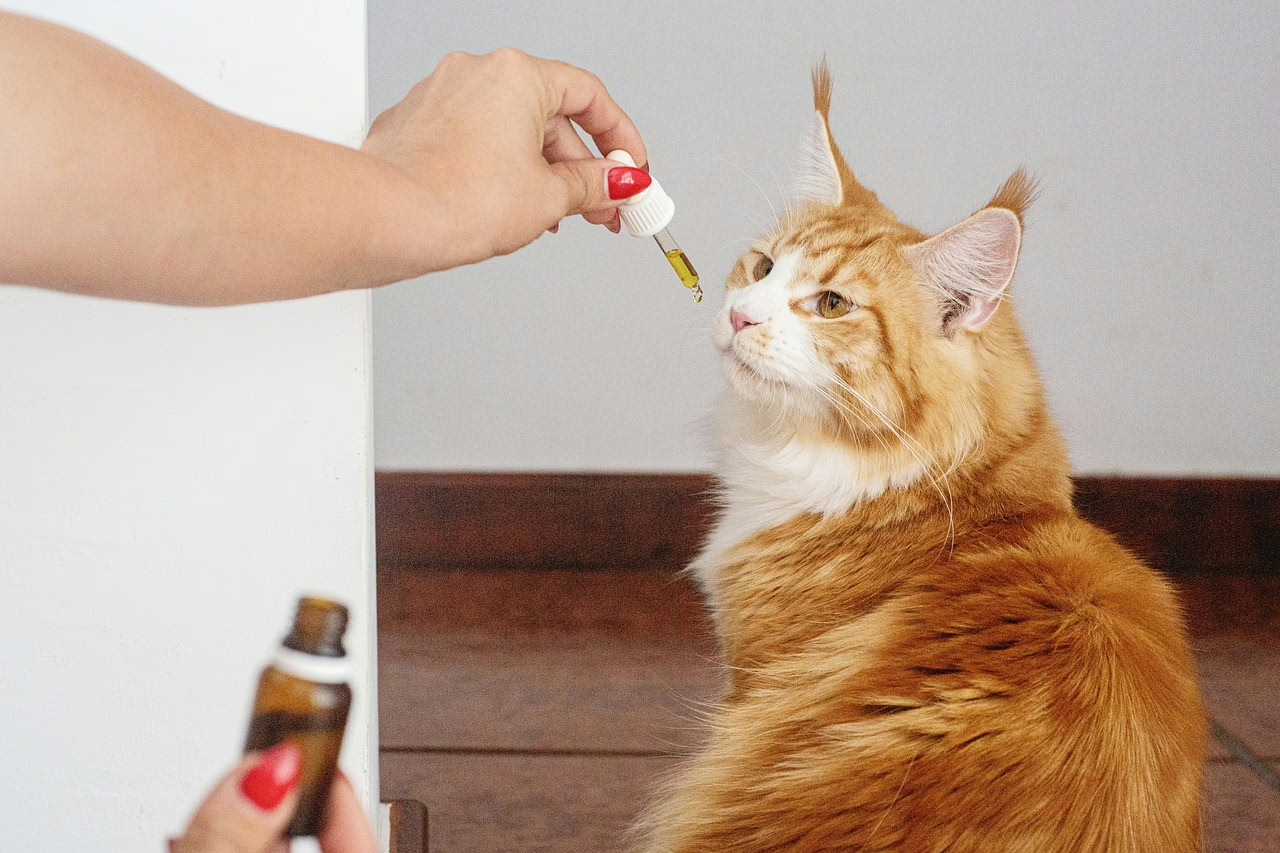
- Cannabidiol might be an excellent natural pain reliever for your pet.
For every responsible pet owner, seeing your beloved cat uncomfortable is unbearable. Of course, we always strive to help our furry friends. However, sometimes they might feel pain or be irritable. In these situations, simply comforting and petting your pet is not enough, and you need to find something that will help relieve their pain. Keep in mind that your options are limited: not all conventional painkillers work, and some human pain medications might even be dangerous for cats.
Signs That Your Cat is in Pain
Cats can take a lot. After all, as natural hunters, they typically don’t show any weaknesses, and therefore, they rarely complain about pain. Instead, they suffer quietly and secretly. This is a big problem since many cat ailments are recognized when it’s already too late. Often, pet owners have to watch very closely to determine that something is wrong with their cat. In addition, not all pain is the same. There are two main types of pain states: acute and chronic. An injury, for example, would cause acute pain. At the same time, arthritis, which is very common in cats, would be the reason for chronic pain. To use cat pain relievers correctly, it is crucial to know where the pain is localized, what is causing it, and how severe it is.
To tell if your kitty is in pain, you should watch the pet closely and ask yourself if you’re noticing the following changes in behavior:
- Has your cat suddenly started walking differently?
- Has it suddenly stopped jumping, or are its jumps not as high as they used to be?
- Is your cat no longer able to climb the scratching post?
- Does it suddenly stop cleaning or skip certain parts of the body?
- Is the cat’s fur matted or sticky?
- Has your pet stopped playing with you or your other pets?
- Does your puss refuse to eat?
- Has your cat’s posture changed significantly?
- Is your cat suddenly avoiding your pets?
- Does your kitty react aggressively when you try to touch it?
- Does it lick one part of the body particularly often, almost excessively?
- Is your cat suddenly hiding more?
- Did it suddenly stop urinating in the litter box?
If you have been able to identify one or more changes in your cat based on these questions, it’s likely that your cat probably feels pain even if it does not show it. Therefore, you should make an appointment with your veterinarian as soon as possible to diagnose the issue.
Can I Give My Cat Human Painkillers?
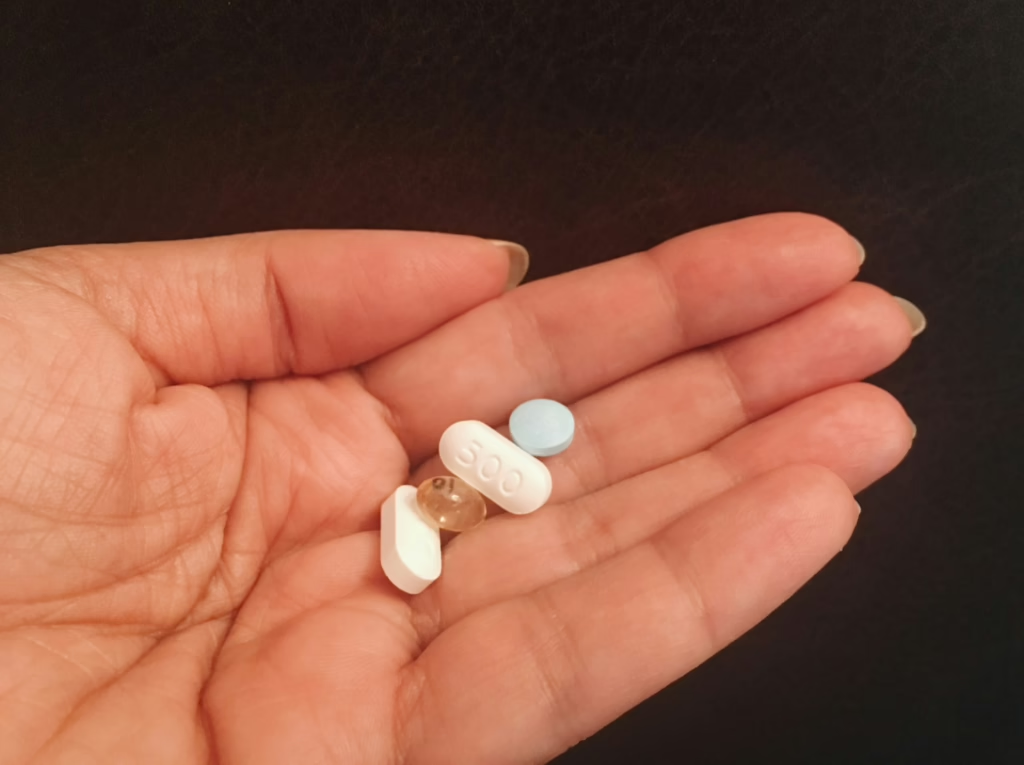
Although both humans and cats are mammals and our metabolic systems are pretty similar, there are some significant differences that influence the choice of painkillers for cats. Active ingredients that are well-tolerated by humans can lead to severe poisoning in small animals. Thus, nonsteroidal anti-inflammatory drugs (NSAIDs), which are common for treating pain and inflammation in humans, can be extremely dangerous for cats. Common NSAIDs include popular medications such as Aspirin, Tylenol, Motrin/Advil, and Aleve. Sometimes, NSAIDs are also called analgesics or antipyretics, and they are indeed safe and effective for us, human beings.
Of course, different types of NSAIDs have various effects on cats. Some of them might even be safe for your pet, but it’s best to talk to a vet before choosing a painkiller for your cat. Keep in mind that even veterinary-specific NSAIDs such as carprofen and meloxicam should be used with caution. So far, the FDA has approved only 2 NSAIDs for acute pain in cats, but neither drug is suitable for chronic pain.
Remember that you should never give diclofenac and ibuprofen to dogs and cats. They are not safe for your pet and might cause serious health issues. Their effect on pets is also called NSAID toxicity, and it’s characterized by decreased appetite, vomiting, breathing problems, fatigue, swelling in the abdomen, and unhealthy gum color.
If your pet is already experiencing symptoms of NSAID toxicity, take it to a vet immediately since the condition can be fatal.
What Can I Give a Cat For Pain?
It’s best to consult a veterinarian to find out what pain relievers are best for your cat. Keep in mind that you should never give your cat over-the-counter pain meds. That being said, your vet will likely prescribe one of the following painkillers that are commonly used to treat cats:
NSAIDs
As mentioned above, there are only two NSAIDs that the FDA has approved for use in cats, namely robenacoxib and meloxicam. However, remember that you should talk to your vet before giving your furry friend any NSAID.
Opioids
Vets generally use these drugs to control acute pain. However, they might also be given for chronic conditions such as arthritis or advanced stages of cancer. Opioids are usually given to cats in a hospital setting.
Corticosteroids
By reducing inflammation, these drugs can relieve pain from allergies or arthritis.
Gabapentin
This medication is effective in treating pain in nerves, muscles, and bones.
Amitriptyline
This is an antidepressant that is safe for use both in humans and cats. It helps by relieving nerve pain.
Сhange Your Cat’s Diet To Help With Pain
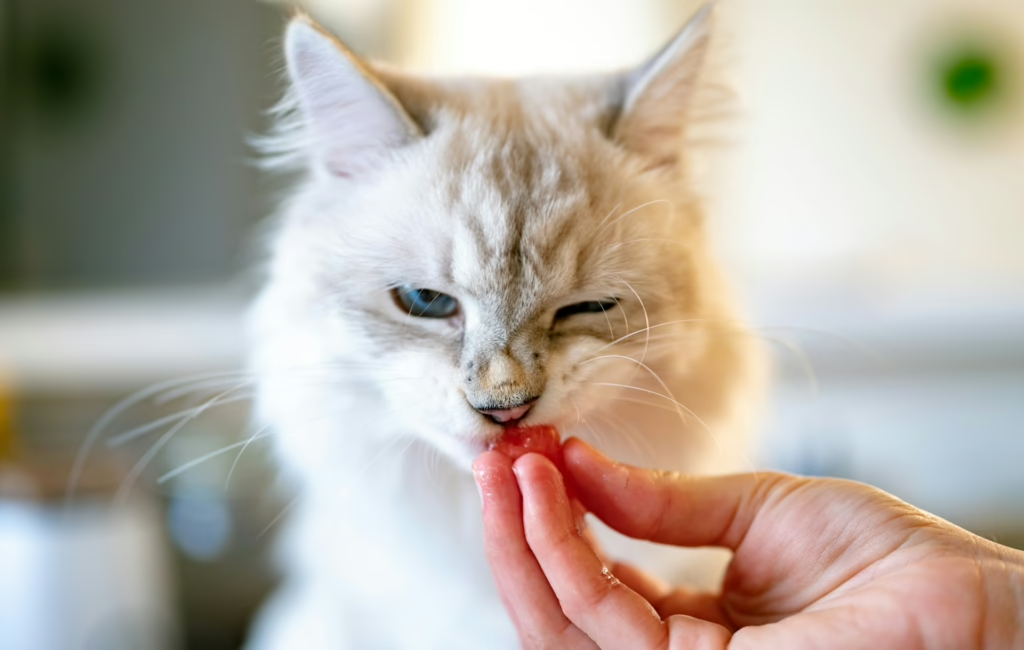
Instead of giving your pet painkillers, consider changing up your pet’s diet to help manage its condition naturally and sustainably. The foods and supplements listed below have been scientifically proven to help relieve pain in cats.
Omega-3 Fatty Acids
Foods rich in Omega-3 fatty acids (for example, salmon) can help relieve your kitty’s pain. Since Omega-3 has inflammation-reducing properties, it might be enough to manage your pet’s pain successfully.
Vitamins
A severe lack of vitamins can lead to different health problems and an increase in pain that your cat is suffering. Therefore, always try to supplement your furry friend’s diet with some vitamins.
Cranberry Juice
Cranberry juice is another well-known home remedy for cats that suffer from urinary tract infections. Some common symptoms of the condition include peeing too much or too little, going outside the litter box, and suffering from inflammation and pain during urination.
The positive effects of cranberry-based products on the cat’s health are still being investigated. Nevertheless, there is already some evidence that cranberry juice can relieve your kitty’s pain at least partially.