
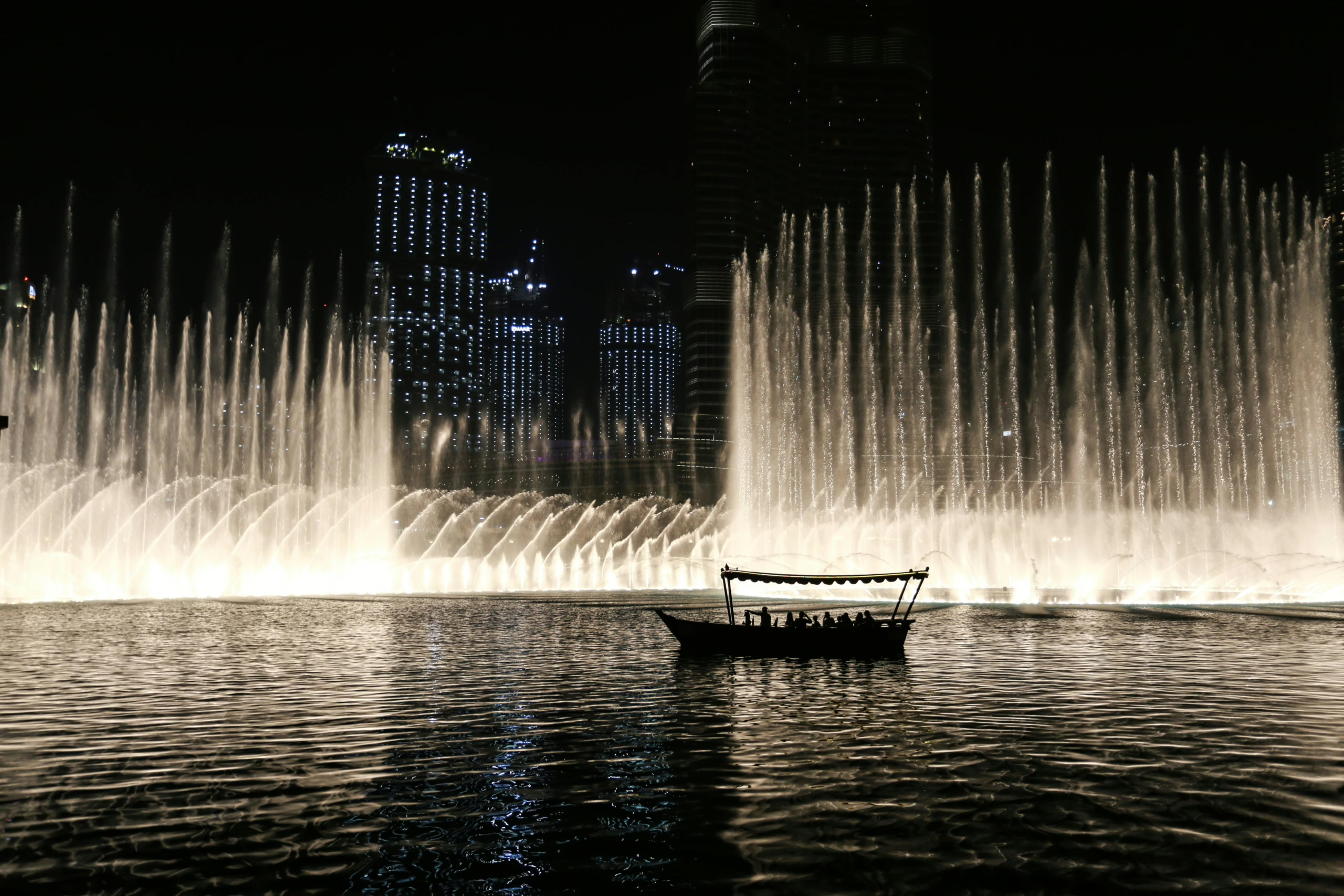
Dubai keeps evolving, but the weather stays the boss. One month the city hands out beach days that feel stolen from paradise. The next, the same streets turn into a blast furnace. After sorting through temperature swings, crowd patterns, festival lineups, and rate shifts, the prime slot runs from late October through early April. Outside that, trips still work for bargain hunters or indoor enthusiasts. This breakdown digs deeper into each period, highlights what changes, and flags the pitfalls to dodge.
When Exactly Is the Prime Time for Dubai? Here’s the Straight Answer
The sweet spot runs from late October through early April – that’s the window most travelers circle on the calendar. Why? Temperatures stay between 24-33 °C, humidity sits low, rain is basically a myth, and the city throws its biggest events under open skies. Beaches, deserts, brunches, and festivals all line up without the sweat factor.
Below, we break down every option – peak perfection, shoulder savings, and summer survival – so you can match the month to your vibe.
Weather That Actually Matters
Forget the averages posted on tourism sites. Real days in Dubai come down to three numbers: daytime high, evening low, and humidity that turns air into soup.
- November to March: Highs hover 24-30 °C, nights drop to 15-20 °C, rain shows up maybe twice all winter. Walk the Marina at 7 pm without breaking a sweat.
- Late October and early April: Push into the low 30s by afternoon, but mornings stay crisp and the sea feels refreshing instead of boiling.
- May to September: 38-42 °C daily, humidity above 60 %, zero rain. Indoor everything becomes the plan.
The shift happens fast. One week in April you lounge on Jumeirah Beach until sunset. The next, the sand burns through flip-flops by noon. Pack accordingly or pay the price in blisters and regret.

Craving Deeper Dubai Insights? Dive In With Us
At World-Arabia, we view Dubai as a living pulse of culture, style, and ambition – best felt from November to early April when the weather aligns with the action. We’ve covered the city’s beats: from Art Dubai’s March gallery nights to the Dubai International Boat Show in February 2025, where superyachts debut against perfect skies. Late October brings crisp mornings for souk hunts and emerging designers; early April offers blooming dunes before heat returns. Even summer has its edge – indoor ateliers, wellness retreats like Bab Al Shams, and quiet luxury deals.
Through our stories on streetwear, entrepreneurs, and runway breakthroughs like Icon Show 2025, we show how timing turns a trip into immersion. Land for the sold-out WE Convention in November 2025 or National Day fireworks, and the city reveals its true fire. At World-Arabia, Dubai isn’t a stop – it’s a story, and the right season lets you live it.
Deep Dive into Peak Season: November Through March
Visitor numbers surge, budgets stretch, and every attraction runs at capacity. The payoff comes in flawless conditions for everything outdoors.
November: The Opening Act
Temperatures ease into the high 20s, hotel occupancy climbs from summer lows, and the first big events fire up. Rugby sevens fills the stadium, turning nearby bars into all-day gatherings. Desert camps restart evening barbecues under clear skies. Beaches reopen without the midday rush to escape heat. Book accommodations eight weeks ahead to avoid the initial price jump.
December: Holiday Overload
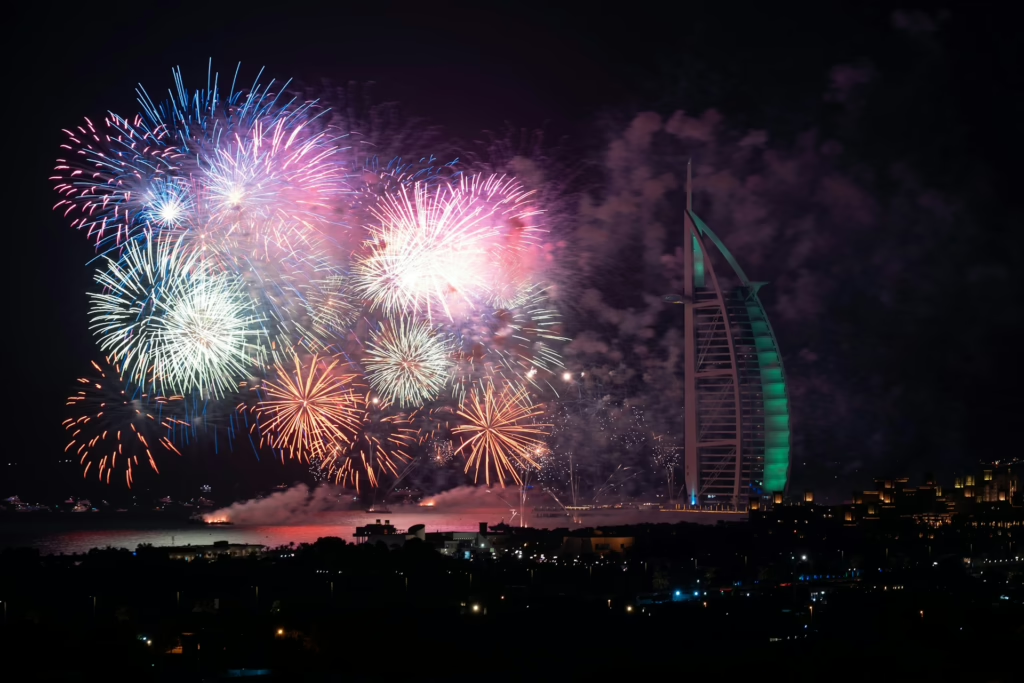
The city decks itself in lights, malls extend hours, and the shopping festival launches mid-month. Fireworks explode nightly over the marina, outdoor markets mix mulled spices with fresh dates, and hotel rates peak around Christmas and New Year. National Day on the 2nd brings flag parades and free concerts. Crowds thicken, but the festive buzz makes the squeeze worthwhile. Secure flights by late summer for reasonable fares.
January: Sales and Sports
Shopping festival momentum carries over – raffles hand out luxury cars, gold bars, and electronics. Mornings stay cool enough for marina jogs, afternoons perfect for dune bashing. Golf tournaments draw pros to manicured courses, tennis championships pack courts. Hotel deals appear mid-month once holiday travelers leave. The weather holds steady, rain remains a rumor.
February: Culture and Cuisine
Food festival tents line beaches and parks, offering tasting menus from street vendors to celebrity chefs. Jazz stages pop up in open-air venues, art previews hint at the March fair. Temperatures sit at 25 °C, evenings invite rooftop dining without jackets. Brunch season hits full stride – endless spreads under sunshine. Visitor numbers stay high but manageable outside weekends.
March: The Grand Finale
Art fair dominates the calendar, galleries stay open late, talks spill into courtyards. Horse racing World Cup turns into the social highlight, fashion and hats mandatory. Rally cars tear through dunes in the desert challenge. Beaches thin out after school breaks end, temperatures nudge 28 °C, humidity still low. Book closing events early – tickets vanish fast.
Shoulder Season Breakdown: Late October and Early April
The city breathes easier. Rates drop noticeably, lines shorten, and the weather cooperates without the peak chaos.
Late October: The Quiet Kickoff
The city starts to wake up without the winter rush. Mornings stay fresh enough for a quick climb in Hatta, afternoons warm but not punishing around the pool. Outdoor brunches pop back onto menus, and the desert still holds a few wildflowers from any leftover rain. Hotels feel generous with upgrades, and planes from Europe touch down lighter.
Early April: The Gentle Wind-Down
Everything flips in reverse. Dunes flash green for a week or two after spring showers, evenings hang onto daylight until 7 pm. Miracle Garden and the butterfly dome wrap up mid-month – catch them on the way in. Beaches turn local on weekdays, the Burj Khalifa deck gives easy skyline shots. Luxury rooms cost 25-35 % less than February peaks.
Surviving Summer: May Through September
Heat dominates, crowds vanish, and deals flood in. Success depends on embracing indoor life.
May: The First Real Test
The shift hits hard and fast. Daytime highs rocket to 36 °C within days, while nights barely cool to 25 °C, leaving the air thick even after sunset. Mornings remain the only window for any real movement – a quick stroll along the marina before 9 am still feels doable if you keep it brisk. By 11 am the pavement radiates, and every sensible plan pivots to shade. Hotel pools turn into command centers; cabanas book out early, cold towels become currency. Water parks like Aquaventure and Wild Wadi crank open every slide and lazy river, yet the queues stay mercifully short – perfect for families who do not mind the midday sun on the climb-ups. Indoor escapes start calling louder, but the heat has not fully locked the city down yet.
June: Full Summer Mode
The furnace officially ignites. 40 °C locks in as the daily baseline, with the sea climbing to match – stepping in offers zero chill, more like a warm bath. Humidity creeps above 60 %, turning every breath into effort. Malls transform into all-day habitats: Dubai Mall’s ice rink stays at a crisp 22 °C, the aquarium tunnel delivers underwater air-conditioning, and ski slopes run sessions without the winter crowds. Evenings stretch the usable hours – many resorts keep pools open until midnight or later, floodlit and strangely peaceful once the day-trippers vanish. Short dashes between car and lobby become the only outdoor activity; everything else happens under cover.
July-August: Peak Heat Lock
Temperatures plateau at 42 °C and refuse to blink, humidity clamps down like a wet blanket. Nights offer no mercy, hovering 30-32 °C, so sleep demands serious AC. Resorts roll out survival packages – half-board or full-board deals, complimentary kids clubs from 9 am to 9 pm, late-night movie screenings in cooled theaters. Shopping festivals keep the corridors buzzing; Dubai Summer Surprises divides the weeks into themes – food, fashion, entertainment – with pop-up stalls and raffle draws inside the malls. Public beaches outside hotel zones turn ghost-quiet by noon; only the private resort strips see any action, and even then under massive umbrellas with misting fans. The city runs, but on indoor time.
September: The Slow Cool-Down
The grip finally loosens, though not all at once. The first half mirrors August’s intensity – still 40 °C days, sticky nights – but by mid-month the evenings start to breathe. Highs slide to 38 °C, nights dip toward 28 °C, and the first outdoor brunch menus reappear on beachfront decks. Humidity eases enough for a sunset walk without instant sweat. Water parks trim hours slightly, yet lines stay manageable. Hotels notice the shift – occupancy ticks upward, weekend rates nudge higher. The city senses winter coming; construction cranes spin faster, event planners lock venues, and the desert camps dust off their winter setups.
Water parks shine brightest now – shorter queues, chilled wave pools. Indoor attractions run lighter crowds year-round but feel essential here.
Beach Strategies by Period
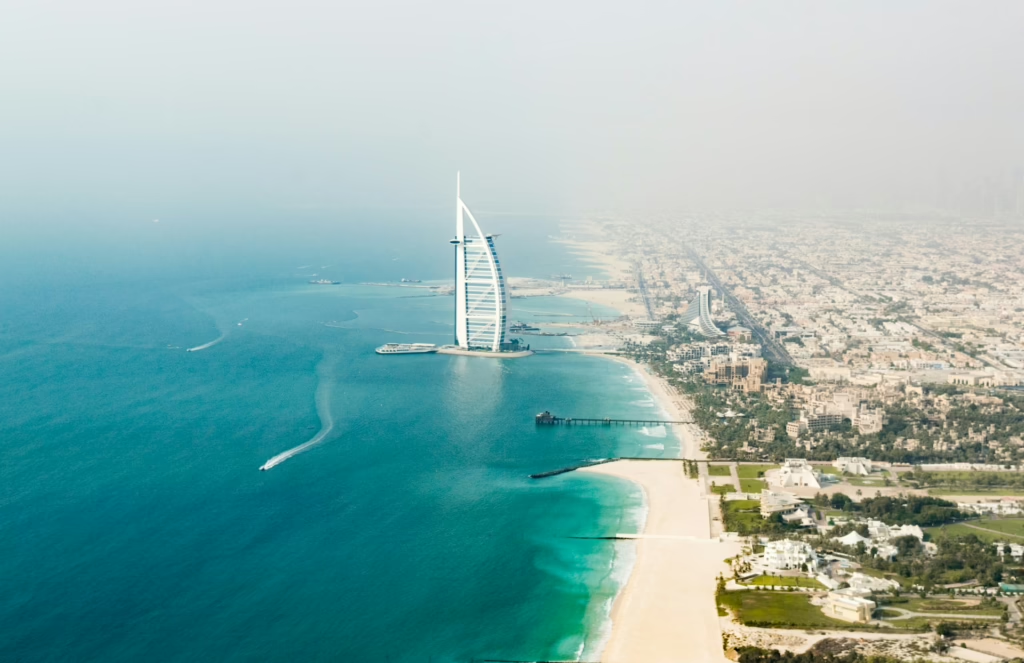
Winter crowds claim spots by 10 am. Public stretches stay free, umbrellas limited. Kite Beach offers rentals and food trucks. Water temperature 23-25 °C invites longer swims.
Shoulder months stretch the sand. Morning joggers own the shoreline, sunset yoga groups form naturally. Water warms to 28 °C, perfect balance.
Summer beaches require hotel access or early arrival. Public sections close midday for safety. Resort cabanas provide shade, cold towels, pool proximity.
Desert Adventures Without the Burn
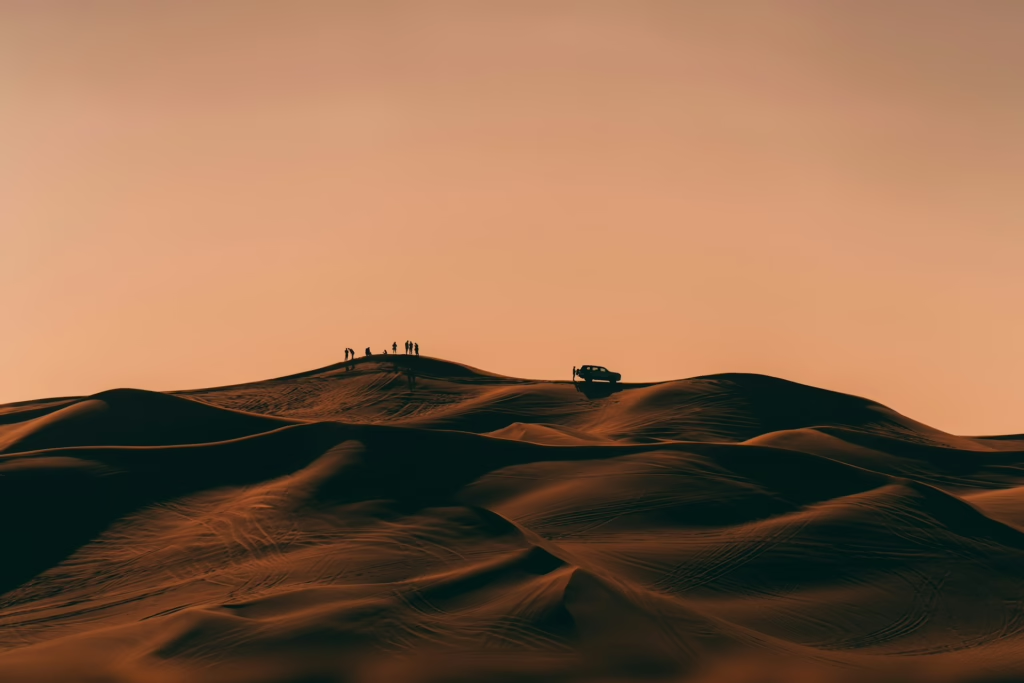
Cooler months enable full experiences.
November to March:
- Evening camps with bonfires, star-gazing, camel rides at dawn.
- Sand boarding down dunes before heat builds.
- Overnight stays in cooled tents.
Shoulder windows:
- Sunrise safaris beat midday sun.
- Short dune bashing sessions.
- Evening barbecues as temperatures fall.
Summer alternatives:
- Morning falconry in shaded areas.
- Short 4×4 rides at dawn.
- Stargazing from hotel rooftops.
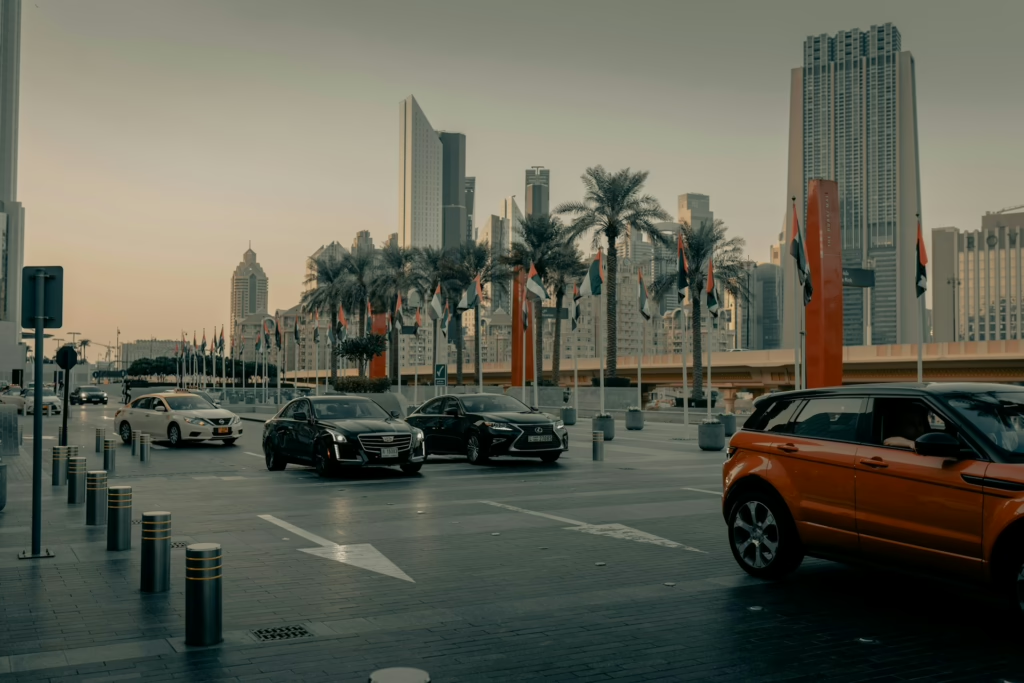
Flight and Transport Realities
Direct routes multiply in winter. Book three months ahead from Europe. Shoulder seasons cut fares 30 %, summer hits lowest but often requires stops.
Metro covers key areas year-round. Clean, air-conditioned, frequent. Nol cards load at stations. Taxis plentiful, app surges during events.
Car rental makes sense for emirate hopping. City driving adds stress – traffic, parking fees. Use for Al Ain or Fujairah day trips.
Packing Essentials by Season
Winter kit:
- Light layers for evenings.
- Scarf against mall chill.
- Walking shoes for marina loops.
- Swimsuit always.
Shoulder needs:
- Long sleeves for sun protection.
- Hat, high SPF.
- Refillable chilled bottle.
Summer survival:
- Loose breathable fabrics.
- SPF 50 minimum.
- Hydration salts.
- Modest cover for cultural sites.
Conclusion
Dubai delivers multiple versions depending on timing. November to March serves the classic experience – beaches, deserts, events under perfect skies. Late October and early April trade some buzz for space and savings. Summer flips the script to indoor luxury at bargain rates. Match the calendar to the priorities, prepare for the conditions, and the trip aligns. Ignore the heat warnings and the city still functions, just on different terms.
FAQs
What months guarantee beach weather without crowds?
Late October and the first half of April. Temperatures allow full days outside, visitor numbers stay moderate, hotel deals appear.
Does Ramadan ruin a trip?
Daytime slows, some restaurants close until sunset, but evenings explode with iftar feasts and night markets. The pace feels calmer, costs often drop.
Are summer hotel deals worth the heat?
Resorts cut rates in half, include meals, run kids clubs. Indoor attractions stay empty. Works for pool-and-mall focused stays.
When do flights cost least?
June to August direct from most cities. Shoulder months save 30 % over winter peaks. Book peak season three months early.