

Inflammation is the body’s natural response to injury or infection, but chronic inflammation can lead to serious health problems. While NSAIDs are commonly used to manage pain and inflammation, they come with a range of potential side effects, especially when used long-term. Luckily, there are plenty of natural and effective alternatives to help you manage inflammation without relying on these medications. Whether you’re looking for supplements, lifestyle changes, or alternative therapies, reducing inflammation naturally can promote better overall health and reduce the risk of long-term complications. Here’s how you can do it.
Why NSAIDs Aren’t Always the Best Choice for Inflammation
NSAIDs are commonly used to treat conditions like arthritis, headaches, back pain, and muscle aches. While they work by blocking inflammation-causing enzymes, they also come with significant risks. Regular use of NSAIDs can lead to gastrointestinal issues such as ulcers, stomach bleeding, and irritation of the stomach lining. In addition, long-term use is linked to kidney damage, cardiovascular issues, and even an increased risk of heart attack and stroke. This is why many people seek alternatives that can help them manage inflammation more safely.
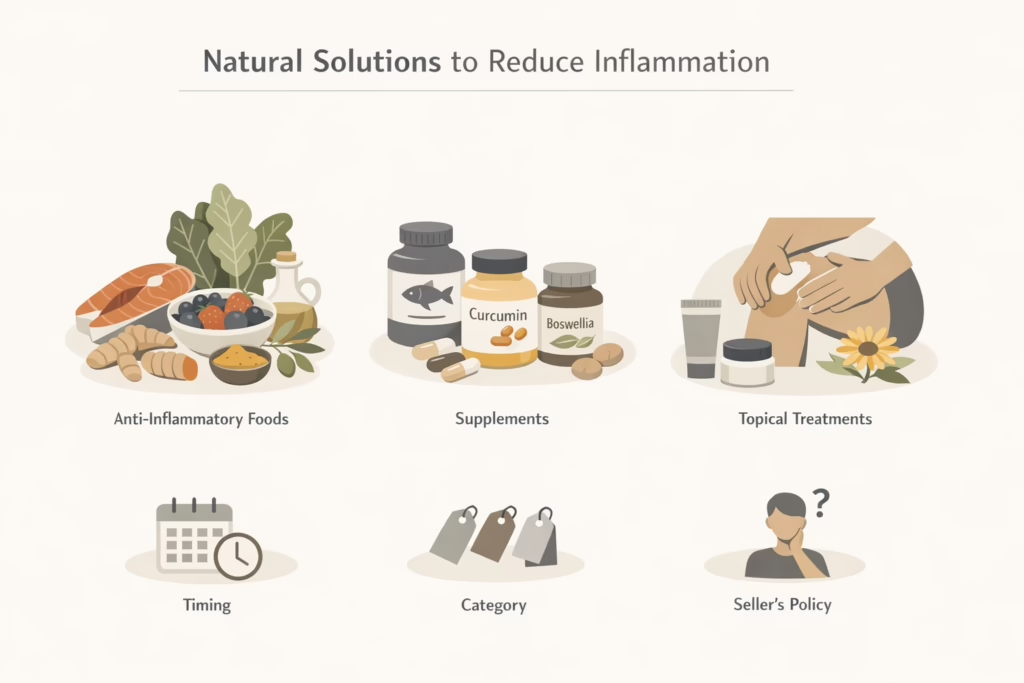
Natural Solutions to Reduce Inflammation
Now, let’s dive into some natural solutions to reduce inflammation that can help you manage pain, improve your overall health, and avoid the side effects of NSAIDs.
1. Incorporate Anti-Inflammatory Foods into Your Diet
What you eat plays a crucial role in managing inflammation. Certain foods have powerful anti-inflammatory properties that can help reduce inflammation in your body naturally. Here are some foods to include in your diet:
Fatty Fish
Rich in omega-3 fatty acids, fatty fish such as salmon, sardines, and mackerel are excellent choices for reducing inflammation. Omega-3s help by suppressing the production of inflammatory molecules in the body, like cytokines and prostaglandins. Regular consumption of omega-3-rich fish can help lower chronic inflammation associated with conditions like arthritis, heart disease, and even cognitive decline.
Berries
Blueberries, strawberries, raspberries, and other berries are packed with antioxidants, particularly anthocyanins, which are compounds known to fight oxidative stress. These antioxidants help lower inflammation by neutralizing free radicals that cause damage to cells, which can contribute to chronic inflammatory diseases. Including a variety of berries in your diet can be a sweet way to reduce inflammation while boosting your overall health.
Turmeric
This vibrant, golden spice contains curcumin, a powerful compound that has long been used for its strong anti-inflammatory properties. Research shows that curcumin can significantly reduce inflammation and provide relief for chronic conditions such as arthritis, inflammatory bowel disease, and even certain types of cancer. To enhance its absorption, turmeric is often paired with black pepper, which contains piperine – a compound that increases curcumin’s bioavailability.
Leafy Greens
Vegetables like spinach, kale, Swiss chard, and collard greens are not only nutrient-dense but also have strong anti-inflammatory effects. Packed with vitamins like A, C, and K, as well as minerals like magnesium, these greens support immune function and help reduce inflammation. Regular consumption of leafy greens can aid in preventing chronic inflammation and support overall cellular health, making them a vital part of any anti-inflammatory diet.
Ginger
Known for its ability to soothe an upset stomach, ginger also contains compounds called gingerols that have anti-inflammatory and antioxidant properties. Studies suggest that ginger can be effective in reducing inflammation related to conditions such as osteoarthritis, muscle pain, and digestive issues. It can be consumed fresh, dried, or as a supplement, making it a versatile and easy addition to your anti-inflammatory regimen.
Olive Oil
Extra virgin olive oil is rich in oleocanthal, a compound that has been shown to work similarly to ibuprofen in terms of reducing inflammation. It blocks enzymes responsible for inflammation, offering a natural and heart-healthy alternative to processed anti-inflammatory drugs. The monounsaturated fats in olive oil also contribute to its anti-inflammatory effects, making it an essential part of the Mediterranean diet known for its benefits to overall health.
Incorporating more of these foods into your meals can help support a balanced, anti-inflammatory diet that promotes overall health.
2. Use Natural Supplements
Several natural supplements have been shown to help reduce inflammation in the body. While they should be used with care and preferably under the guidance of a healthcare provider, these supplements can be a great addition to your anti-inflammatory strategy:
- Fish oil: Rich in omega-3 fatty acids are particularly beneficial for conditions like rheumatoid arthritis and heart disease.
- Curcumin: Taking curcumin supplements can help increase its absorption and provide more significant anti-inflammatory effects.
- Boswellia: Also known as Indian frankincense, boswellia has been shown to reduce inflammation in the body, particularly in cases of arthritis.
- Ginger: Ginger supplements can provide similar benefits to fresh ginger and help reduce inflammation, especially for those with joint pain and muscle stiffness.
- Green tea extract: Drinking green tea or taking its extract can help fight inflammation at the cellular level.
3. Try Topical Anti-Inflammatory Treatments
Topical treatments offer a way to address localized pain and inflammation without the systemic side effects of oral medications. Some of these treatments include:
- Topical capsaicin: Derived from chili peppers, capsaicin works by blocking pain signals and reducing inflammation. It’s particularly helpful for conditions like arthritis, muscle strains, and nerve pain.
- Topical NSAIDs: While traditional oral NSAIDs come with many side effects, topical versions are absorbed less into the bloodstream, significantly reducing the risk of gastrointestinal issues.
- Arnica: Known for its ability to reduce swelling and bruising, arnica is often used topically to manage pain and inflammation from injuries, surgery, and conditions like osteoarthritis.
Using these treatments can provide fast relief and avoid the potential for systemic side effects.

4. Incorporate Mind-Body Practices
Sometimes, reducing inflammation goes beyond physical treatments. Mind-body practices can be a powerful tool for managing inflammation, particularly when stress plays a role. Here are some practices to consider:
Yoga
Yoga helps reduce inflammation by improving circulation, lowering stress, and promoting relaxation. Studies show that regular yoga can alleviate symptoms of chronic inflammatory conditions like rheumatoid arthritis and back pain. The mindful movement and breathing exercises in yoga reduce stress hormones, which are linked to increased inflammation, making yoga an excellent tool for managing inflammation.
Meditation
Regular meditation is a great way to reduce stress and regulate the immune system, which helps lower inflammation. Mindfulness meditation, in particular, has been shown to decrease inflammatory biomarkers and improve immune function. Even a few minutes a day can help calm the mind and reduce the body’s inflammatory response.
Deep Breathing Exercises
Deep, slow breathing activates the parasympathetic nervous system, helping to reduce stress and inflammation. This practice lowers cortisol levels, which are associated with inflammation, and improves oxygen flow to cells, supporting natural healing processes. Simple techniques like diaphragmatic or box breathing can effectively manage stress and inflammation.
Incorporating these practices into your daily routine can have a profound impact on your overall well-being and inflammation levels.
5. Exercise Regularly
Regular physical activity is one of the most effective ways to reduce chronic inflammation. While intense exercise can sometimes cause temporary inflammation, regular moderate exercise, such as walking, swimming, or cycling, can help reduce inflammation over time.
Exercise helps by improving circulation, reducing oxidative stress, and promoting the release of anti-inflammatory cytokines. It’s especially beneficial for conditions like arthritis, cardiovascular disease, and metabolic syndrome. Aim for at least 30 minutes of moderate exercise most days of the week to keep inflammation in check.
6. Get Enough Sleep
Sleep is essential for overall health, and it plays a significant role in reducing inflammation. Poor sleep or sleep deprivation can increase levels of pro-inflammatory markers in the body. Aim for 7-9 hours of quality sleep each night to help regulate inflammation and support your body’s natural healing processes.
To improve sleep quality, establish a regular sleep routine, avoid caffeine and screens before bed, and create a comfortable sleep environment.
Conclusion
Reducing inflammation without NSAIDs is not only possible but can be done safely and effectively with the right approach. By incorporating anti-inflammatory foods, supplements, topical treatments, mind-body practices, regular exercise, and quality sleep, you can manage inflammation while avoiding the side effects of NSAIDs. These natural solutions not only help reduce pain but also support long-term health and well-being. So, take control of your inflammation today, and give your body the support it needs to thrive without the risks of NSAIDs.
FAQ
1. What are some natural alternatives to NSAIDs for inflammation?
If you’re looking to reduce inflammation without the side effects of NSAIDs, there are plenty of options. You can try incorporating anti-inflammatory foods like fatty fish, leafy greens, and berries into your diet. Supplements like fish oil, curcumin, and ginger also offer powerful benefits. Topical treatments such as capsaicin or arnica creams can target localized pain, and practices like yoga or meditation help reduce stress-related inflammation.
2. Can I still use NSAIDs occasionally if I want to avoid side effects?
While occasional use of NSAIDs may not lead to significant issues for most people, it’s important to be mindful of how often you rely on them. Long-term use can cause gastrointestinal problems, heart risks, and kidney damage. If you’re finding yourself regularly turning to NSAIDs, it might be time to explore safer alternatives. Your body will thank you for it!
3. How does exercise help with inflammation?
Regular exercise, particularly low to moderate-intensity activities like walking or swimming, can help reduce inflammation over time. Exercise boosts circulation, reduces oxidative stress, and supports overall immune function. In addition, it helps manage conditions like arthritis by improving joint mobility and decreasing stiffness. So, a little movement each day can go a long way.
4. Is it safe to take supplements like curcumin or omega-3 without consulting a doctor?
While many natural supplements like curcumin, omega-3 fatty acids, and ginger are generally safe, it’s always best to check with your doctor before starting any new supplement, especially if you’re on other medications or have existing health conditions. Some supplements may interact with medications or have side effects, so it’s always good to be cautious.
5. Can I completely replace NSAIDs with natural remedies?
For chronic inflammation, natural remedies can be a great addition to your lifestyle and may even offer long-term relief without the risks associated with NSAIDs. However, in some cases, especially for severe inflammation or pain, it may be necessary to combine natural solutions with traditional treatments. Always consult with a healthcare provider to tailor a plan that works for your specific needs.
6. How soon will I see results from natural anti-inflammatory methods?
Patience is key when it comes to natural remedies. Unlike NSAIDs, which provide quick relief, natural solutions like diet changes, supplements, and physical activity take time to work. Typically, you may start noticing improvements within a few weeks, but for some people, it might take a few months to see significant changes.
7. Can stress cause inflammation, and how can I reduce it?
Yes, stress is a major contributor to inflammation. When you’re stressed, your body produces pro-inflammatory cytokines that can make inflammation worse. To reduce stress-induced inflammation, practices like meditation, deep breathing exercises, and yoga can be incredibly effective. Finding time to relax and manage stress is just as important as dietary and lifestyle changes when it comes to controlling inflammation.