
Executive Summary: On February 28, 2026, Dubai experienced a critical security event when Iranian ballistic missiles targeted the UAE, prompting air defense interceptions over Dubai and Abu Dhabi. Dubai International Airport shut down indefinitely, the Burj Khalifa was evacuated, and one fatality occurred from falling debris. The strikes were part of Iran’s broader regional retaliation following US-Israel military operations.
February 28, 2026, marked one of the most dramatic days in Dubai’s modern history. Iranian ballistic missiles streaked across Gulf airspace, triggering emergency responses that brought the emirate’s normally bustling operations to a complete standstill.
According to the UAE Ministry of Defense and Reuters, Emirati air defense systems successfully intercepted multiple incoming missiles over both Abu Dhabi and Dubai. CNBC’s team in the United Arab Emirates confirmed hearing loud explosions across both cities as defense systems engaged the threat.
What Happened on February 28, 2026
The Iranian military launched what officials described as a “blatant attack” against the United Arab Emirates. This escalation represented a significant widening of regional tensions following earlier US-Israel strikes on Iranian positions.
Air defense batteries across the UAE intercepted the majority of incoming missiles. But here’s the thing—the interceptions themselves created cascading effects throughout the city.
One person died in Abu Dhabi from falling missile debris, confirming the real dangers posed even by successful defensive operations. The sky over Dubai Marina lit up with explosions as defense systems engaged targets, sending shockwaves through the business district.
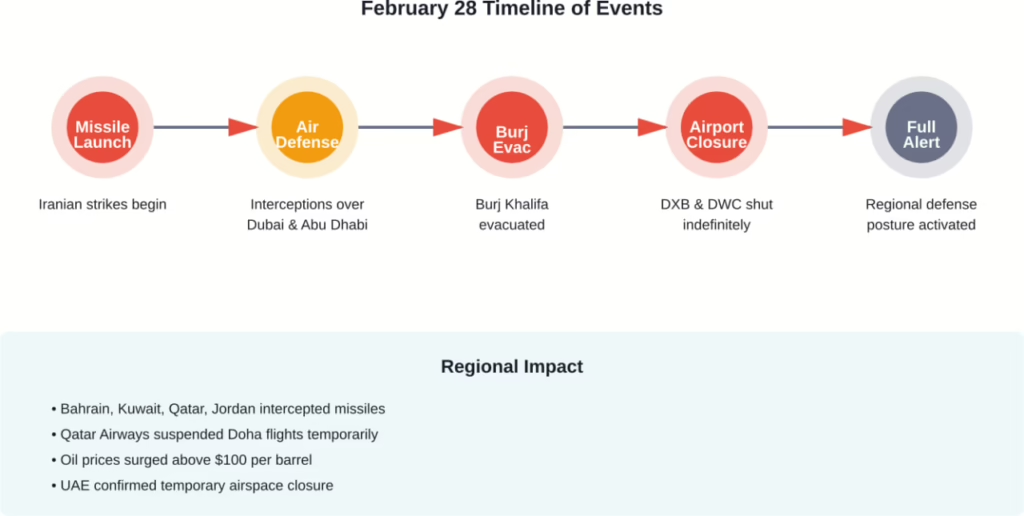
Timeline of the February 28, 2026 crisis showing the sequence of events from missile launch to full regional alert status
Aviation Disruption: Dubai Airport Shut Down
Dubai’s aviation network came to a complete standstill. Authorities suspended all operations at Dubai International Airport (DXB) and Al Maktoum International Airport (DWC) indefinitely.
This wasn’t a brief pause. The closure affected thousands of passengers and hundreds of flights across the world’s busiest international airport. Qatar Airways confirmed a “temporary suspension of its flights to, and from, Doha.”
IndiGo suspended flights to Almaty, Baku, Tashkent, and Tbilisi until March 28, cutting Central Asian connectivity for nearly a month. Rerouted flights consumed significantly more fuel as oil prices surged above $100 per barrel, driven by fears of instability around the Strait of Hormuz.
| Airport | Status on Feb 28 | Impact |
|---|---|---|
| Dubai International (DXB) | Shut indefinitely | World’s busiest international hub closed |
| Al Maktoum International (DWC) | Shut indefinitely | Cargo and passenger operations suspended |
| Abu Dhabi International | Limited operations | Debris cleanup ongoing |
| Doha (Qatar Airways hub) | Temporary suspension | Regional connectivity disrupted |
Burj Khalifa Evacuation and City Response
Authorities evacuated the Burj Khalifa as a precautionary measure. The world’s tallest building cleared out as defense systems engaged overhead threats.
Real talk: evacuating a structure that height with thousands of occupants isn’t simple. Emergency protocols kicked in across Dubai’s commercial districts as the Ministry of Defence moved into high-alert defensive posture.
The UAE condemned the Iranian strikes, vowing to protect itself against further attacks. According to multiple sources, the strikes represented Iran’s broader regional counteroffensive dubbed “Operation Epic Fury.”
Regional Context and Broader Implications
The February 28 strikes didn’t happen in isolation. Bahrain, Kuwait, Qatar, Jordan, and the United Arab Emirates all confirmed intercepting missiles from Iran—each country hosts U.S. military bases.
This timing coincided with significant diplomatic activity. Earlier in February, His Highness Sheikh Mohammed bin Rashid Al Maktoum launched the “11.5: Edge of Life” campaign aiming to rescue 5 million children worldwide from hunger during Ramadan. The Hussain Sajwani – DAMAC Foundation announced a contribution of AED100 million in support of the Edge of Life campaign.
Dubai had also hosted major international gatherings just weeks earlier. The World Governments Summit and Fiker Institute launched the Foreign Policy Toolkit for 2026 on February 3. The Arab Region SDG Index and Dashboards Report 2026 was released on February 5, showing that approximately 85% of Sustainable Development Goal scores indicate major challenges across the region.
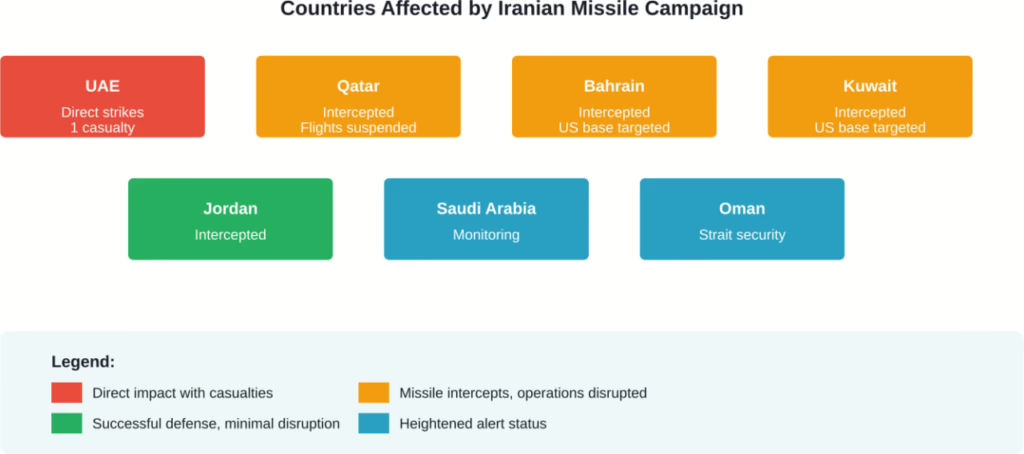
Regional impact map showing which Gulf countries were affected by Iranian missile strikes on February 28, 2026
Frequently Asked Questions
What happened in Dubai on February 28, 2026?
Iranian ballistic missiles targeted the UAE, triggering air defense interceptions over Dubai and Abu Dhabi. Dubai International Airport shut down indefinitely, the Burj Khalifa was evacuated, and one person died from falling debris in Abu Dhabi.
Is Dubai airport still closed after February 28?
According to reports from February 28, Dubai International Airport (DXB) and Al Maktoum International Airport (DWC) were shut indefinitely. Check current flight status with airlines for the latest operational updates.
Were there casualties from the missile strikes?
Yes. One person died in Abu Dhabi from falling missile debris despite successful air defense interceptions. The UAE Ministry of Defense confirmed the fatality.
Why did Iran attack Dubai?
The strikes were part of Iran’s broader regional retaliation following US-Israel military operations against Iranian positions. The campaign was reportedly dubbed “Operation Epic Fury.”
Which other countries were affected?
Bahrain, Kuwait, Qatar, Jordan, and the United Arab Emirates all confirmed intercepting Iranian missiles on February 28. Each country hosts U.S. military bases, which were likely strategic targets.
How did the UAE respond to the attacks?
The UAE Ministry of Defence moved into high-alert defensive posture, air defense systems intercepted incoming missiles, and authorities evacuated key landmarks like the Burj Khalifa. The UAE condemned the strikes and vowed to protect itself.
What’s the impact on oil prices and regional stability?
Oil prices surged above $100 per barrel driven by fears of instability around the Strait of Hormuz. Regional aviation connectivity was severely disrupted, with rerouted flights consuming significantly more fuel.
Looking Ahead
The situation in Dubai on February 28, 2026, represents a critical inflection point for Gulf security. The successful interception of Iranian missiles demonstrated the UAE’s defensive capabilities, but the disruption to daily life and commerce was severe.
For residents, tourists, and businesses in Dubai, the immediate priority remains monitoring official government communications through channels like protocol.dubai.ae for safety updates and operational status.
The crisis underscores the complex geopolitical dynamics affecting the region, even as Dubai continues pursuing humanitarian initiatives like the “11.5: Edge of Life” campaign and hosting international diplomatic forums.
Stay informed through official UAE government channels for the latest developments on airspace status, airport operations, and security advisories.