
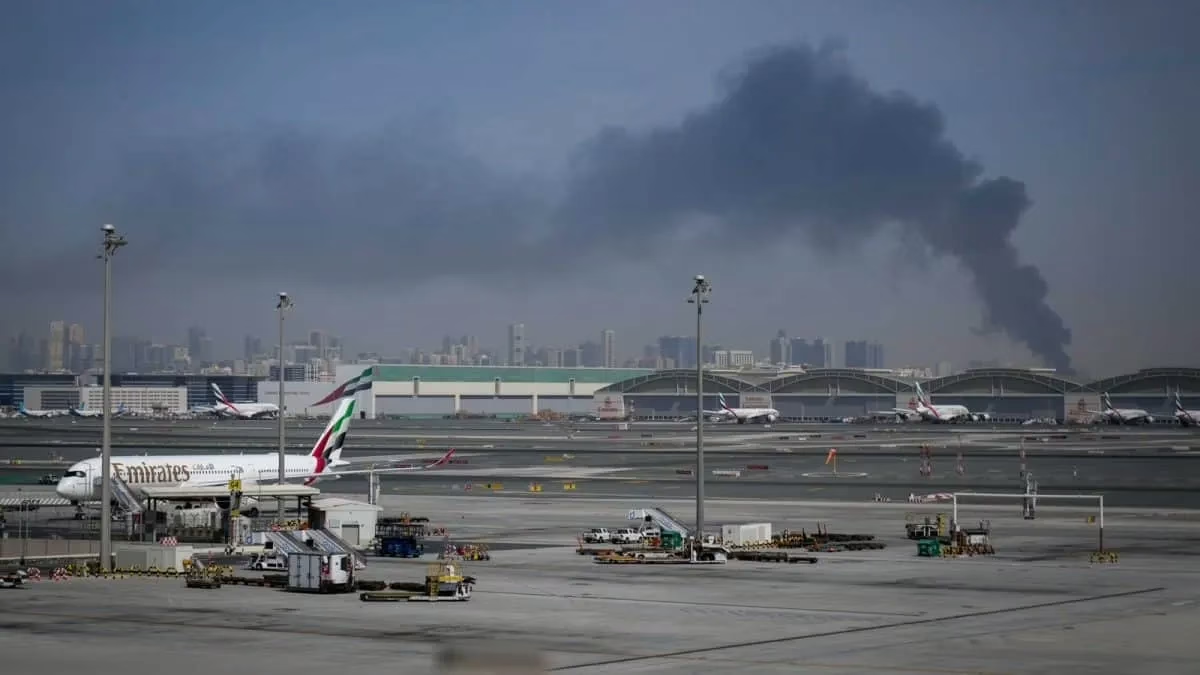
Executive Summary: On March 2, 2026, the UAE experienced a major security incident with missile and drone strikes prompting widespread airspace closures and flight suspensions across Dubai and Abu Dhabi airports. U.S. authorities issued shelter-in-place orders while regional tensions with Iran escalated, stranding thousands of travelers and disrupting international aviation operations throughout the Middle East.
Monday, March 2, 2026, marked one of the most significant aviation disruptions in UAE history. Air travel across the country ground to a halt as regional airspace closures triggered emergency suspensions at Dubai International Airport and Abu Dhabi International Airport.
The U.S. Mission to the UAE issued security alerts advising all Americans to shelter in place. According to the U.S. embassy, government personnel in the UAE were ordered to remain in their residences, hotels, or other structures and stay away from windows.
Thousands of passengers found themselves stranded as airlines scrambled to implement safety protocols. This developing situation has created uncertainty for travelers across one of the world’s busiest aviation hubs.
What Happened on March 2, 2026
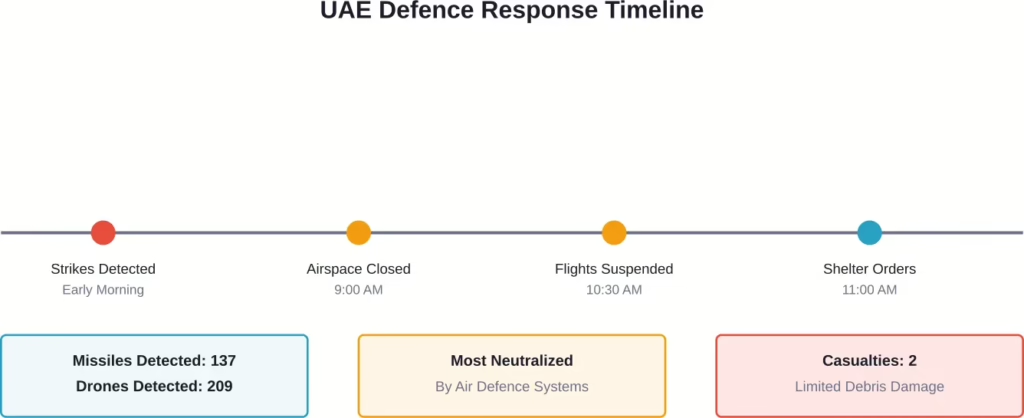
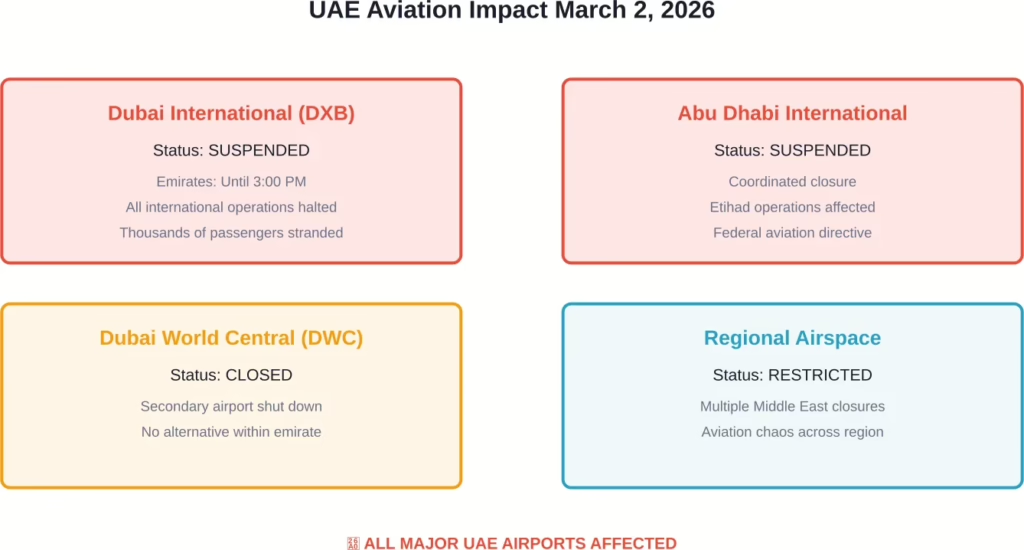
The UAE Ministry of Defence confirmed detection of 137 ballistic missiles and 209 drones targeting the region. Most were neutralized by air defence systems, but interceptions weren’t perfect.
Falling debris caused limited damage in parts of Abu Dhabi and Dubai. The ministry reported two casualties, though specific details remained limited as of Monday afternoon.
Regional tensions with Iran escalated dramatically. According to Brookings Institution analysis published March 2, the situation represents a dangerous escalation in Middle East conflict dynamics that experts have been monitoring closely.
Dubai Airport Status: Is DXB Open Right Now?
No — not fully. Dubai International Airport (DXB) was not operating at normal capacity as of Monday afternoon UAE time.
Emirates suspended operations until 3:00 PM UAE time on March 2. The airline described the situation as precautionary, prioritizing passenger and crew safety amid what officials characterized as a developing situation.
Dubai World Central (DWC), the city’s secondary airport, also shut down operations. This comprehensive suspension affected all major aviation facilities in the emirate.
“This is a developing situation, and we are monitoring it closely while working with the relevant authorities to adjust our flight schedule accordingly,” Emirates stated in official communications to passengers.
Current Airport Time Reference
| City | Local Time (March 2) |
|---|---|
| Dubai (UAE) | 3:00 PM Monday |
| London (GMT) | 11:00 AM Monday |
| New York (EST) | 6:00 AM Monday |
| Los Angeles (PST) | 3:00 AM Monday |
| Sydney (AEDT) | 10:00 PM Monday |
Which Airlines Are Affected
Emirates, the UAE’s flagship carrier and one of the world’s largest international airlines, bore the brunt of disruptions. All Emirates flights from Dubai were suspended.
flydubai, the emirate’s budget carrier, confirmed that its teams were implementing “comprehensive welfare” measures for affected customers. The airline reiterated that safety remained the absolute priority.
But the impact rippled far beyond UAE-based carriers. Major international airlines serving the Middle East route suspended or diverted flights. According to CNN reporting, multiple airlines shuttered their Middle East services as the aviation crisis spread across the region.
The situation created chaos for connecting passengers. Dubai serves as a critical hub for travelers moving between Europe, Asia, Africa, and Australia. Thousands of passengers on multi-leg journeys found themselves stuck.
Abu Dhabi International Airport Operations
Abu Dhabi International was equally affected by the nationwide suspension. The UAE capital’s primary airport suspended operations in coordination with federal aviation authorities.
The suspension impacted operations at both of the country’s primary hubs — Dubai and Abu Dhabi — effectively cutting off the UAE from international air travel networks temporarily.
Authorities emphasized that measures were precautionary. Safety for passengers and crew outweighed all other considerations during this emergency period.
Safety Guidance for People in the UAE
The U.S. Mission to the UAE issued clear directives for Americans in the country. These recommendations apply broadly to all foreign nationals and residents.
U.S. government personnel in the UAE continued to shelter in place as of Monday afternoon. The embassy recommended that all Americans in the UAE do the same.
Here’s the thing though — this isn’t just about Americans. Any foreign national in the UAE should prioritize these safety measures:
Shelter in Place Protocol
To the extent possible, remain in your residence, hotel, or another structure. Stay away from windows. Falling debris from intercepted missiles poses risks even in areas not directly targeted.
Don’t travel to the airport. Multiple sources confirmed that showing up at Dubai or Abu Dhabi airports without confirmed flight status creates additional complications for already-strained operations.
Register your presence with your country’s consulate or embassy if stranded for more than 12 hours. This helps authorities track citizens and provide assistance during crisis situations.
What Stranded Travelers Should Do
Thousands of passengers found themselves in an impossible situation on March 2. Flight suspensions, closed airspace, and uncertainty about resumption timelines created chaos.
Keep all receipts for meals, accommodation, or transport paid out of pocket. These may be reclaimable from airlines or travel insurance. Documentation is critical for later reimbursement claims.
Contact airlines directly for rebooking options. But expect long wait times. Call centers were overwhelmed by the volume of affected passengers.
Hotels near Dubai airport reported full occupancy as stranded passengers scrambled for accommodation. Some airlines provided hotel vouchers, but many travelers paid independently.
| Action | Priority | Why It Matters |
|---|---|---|
| Stay sheltered | Immediate | Safety from potential debris |
| Contact airline | High | Rebooking and refund options |
| Keep receipts | High | Insurance and airline claims |
| Register with embassy | Medium | Consular assistance tracking |
| Monitor official sources | Ongoing | Accurate situation updates |
Middle East Regional Context
This wasn’t just a UAE problem. The conflict disrupted aviation across the broader Middle East region.
Qatar and other Gulf airports faced overflow from diverted flights. But capacity limitations meant not all diverted aircraft could land at alternative hubs.
According to Brookings Institution analysis, the danger of war with Iran represents a significant escalation. Multiple experts contributed to assessments published March 2 analyzing the strike’s implications.
The 137 ballistic missiles and 209 drones represent one of the largest coordinated attacks in recent Middle East history. The scale suggests sophisticated planning and execution.
Alternative Airport Options
Travelers looking to reach destinations typically served through Dubai explored alternative routing. Doha, Muscat, and Bahrain emerged as potential connection points.
But capacity constraints limited options. These airports don’t have Dubai’s infrastructure scale. They couldn’t absorb thousands of rerouted passengers overnight.
Some European airlines offered routing through their home hubs instead of Middle East connections. This extended journey times significantly but provided viable alternatives.
When Will Flights Resume?
That’s the question every stranded traveler asked. The honest answer? Uncertainty remained as of Monday afternoon.
Emirates set a preliminary resumption target of 3:00 PM UAE time March 2. But that timeline came with heavy caveats about the developing situation.
Aviation authorities emphasized that safety assessments would determine actual resumption. No specific commitments were made beyond monitoring the situation closely.
This is a developing situation. Information changes rapidly during security emergencies. What’s accurate at 11:00 AM might be obsolete by 2:00 PM.
Official Information Sources
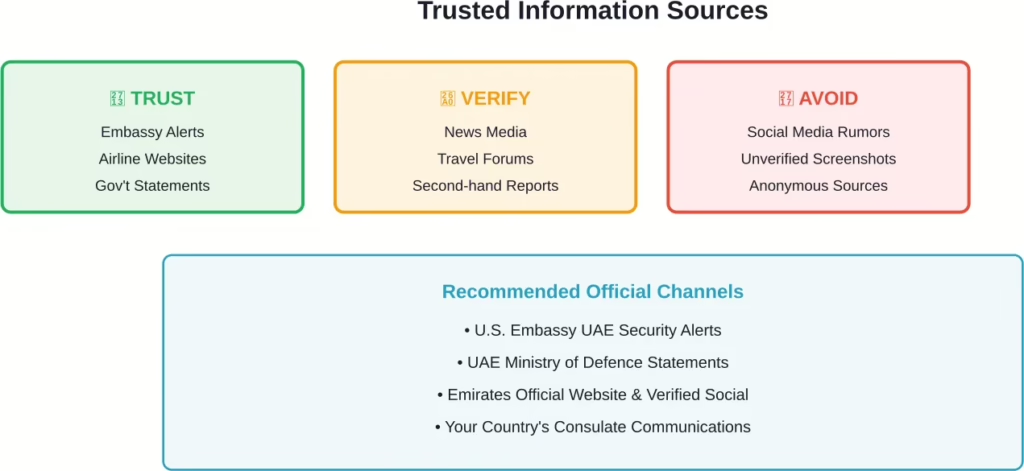
Real talk: social media is terrible during crisis situations. Misinformation spreads faster than accurate updates.
Prioritize official government sources. The U.S. Embassy in the UAE provides regular security alerts through official channels. Other embassies offer similar services for their citizens.
Airline websites and official social media accounts provide the most reliable flight status information. Emirates, flydubai, and Etihad all maintained updated communications through verified channels.
The UAE Ministry of Defence released official statements about the missile and drone detections. These represent authoritative information about the security situation.
Impact on International Travel Networks
Dubai’s role as a global aviation hub means disruptions there cascade worldwide. Passengers connecting through Dubai to reach destinations in Asia, Africa, Europe, and Australia all faced delays or cancellations.
Some travelers reported being stuck in departure cities, unable to begin journeys that routed through Dubai. Others were mid-journey when suspensions hit, stranded at the hub itself.
The economic impact extends beyond airlines. Hotels, ground transportation, and tourism industries all felt immediate effects. Business travelers couldn’t reach meetings. Vacationers faced ruined plans.
Looking Ahead: Uncertainty Remains
The situation remained fluid as of Monday evening UAE time. No definitive timeline existed for full resumption of normal operations.
Aviation authorities emphasized that assessments would continue. Safety considerations would dictate when and how flights resume.
Regional tensions with Iran add unpredictability. The Brookings analysis noted that escalation risks remain high. Additional strikes could trigger further suspensions.
Travelers planning UAE trips in coming days face difficult decisions. Cancel and lose money? Hope for normalization? Book alternative routes at premium prices?
Frequently Asked Questions
Is Dubai Airport open on March 2, 2026?
No, Dubai International Airport suspended operations on March 2, 2026, with Emirates initially halting flights until 3:00 PM UAE time. Dubai World Central also closed. The situation remains developing with no confirmed full resumption time as authorities assess safety conditions.
What caused the UAE flight suspensions on March 2?
The UAE Ministry of Defence detected 137 ballistic missiles and 209 drones targeting the region. Regional airspace closures and safety concerns prompted aviation authorities to suspend operations at Dubai and Abu Dhabi airports as a precautionary measure.
Are Americans in the UAE safe right now?
The U.S. Mission to the UAE issued shelter-in-place guidance for all Americans in the country. While air defence systems neutralized most threats, falling debris caused limited damage and two casualties. Following embassy safety protocols is recommended.
Which airlines are affected by the UAE airspace closure?
Emirates and flydubai suspended operations from Dubai. The closure affected Abu Dhabi International as well, impacting Etihad and other carriers. Multiple international airlines serving Middle East routes also suspended or diverted flights.
When will Dubai flights resume?
Emirates set a preliminary target of 3:00 PM UAE time March 2, but emphasized this depends on the developing situation. No definitive timeline exists for full resumption. Airlines are monitoring conditions closely and adjusting schedules based on safety assessments.
What should stranded passengers in Dubai do?
Stay sheltered in hotels or residences away from windows. Contact airlines directly for rebooking options. Keep all receipts for expenses as they may be reclaimable. Register with your embassy if stranded more than 12 hours. Monitor official sources for updates.
Can travelers fly through alternative Middle East airports?
Qatar, Muscat, and Bahrain serve as potential alternatives, but capacity constraints limit availability. These airports cannot absorb all diverted Dubai traffic. Some airlines offer routing through European hubs instead, though this significantly extends travel time.
Conclusion
March 2, 2026, represents a critical moment for UAE aviation and regional security. The unprecedented scale of the missile and drone attack — 137 ballistic missiles and 209 drones — triggered the most significant aviation disruption in UAE history.
Thousands remain stranded. Uncertainty about resumption timelines compounds stress for travelers. Safety must remain the absolute priority, even as economic and personal costs mount.
The situation continues developing. Check official embassy alerts, airline websites, and UAE government statements for the most current information. Avoid relying on social media rumors during this crisis.
For travelers planning UAE trips in the coming days: flexibility is essential. Build extra buffer time. Consider travel insurance that covers geopolitical disruptions. Have backup routing options ready.
Stay safe, stay informed, and prioritize official sources over speculation. The aviation industry has weathered crises before and will recover from this one — but recovery timelines remain uncertain as regional tensions persist.