
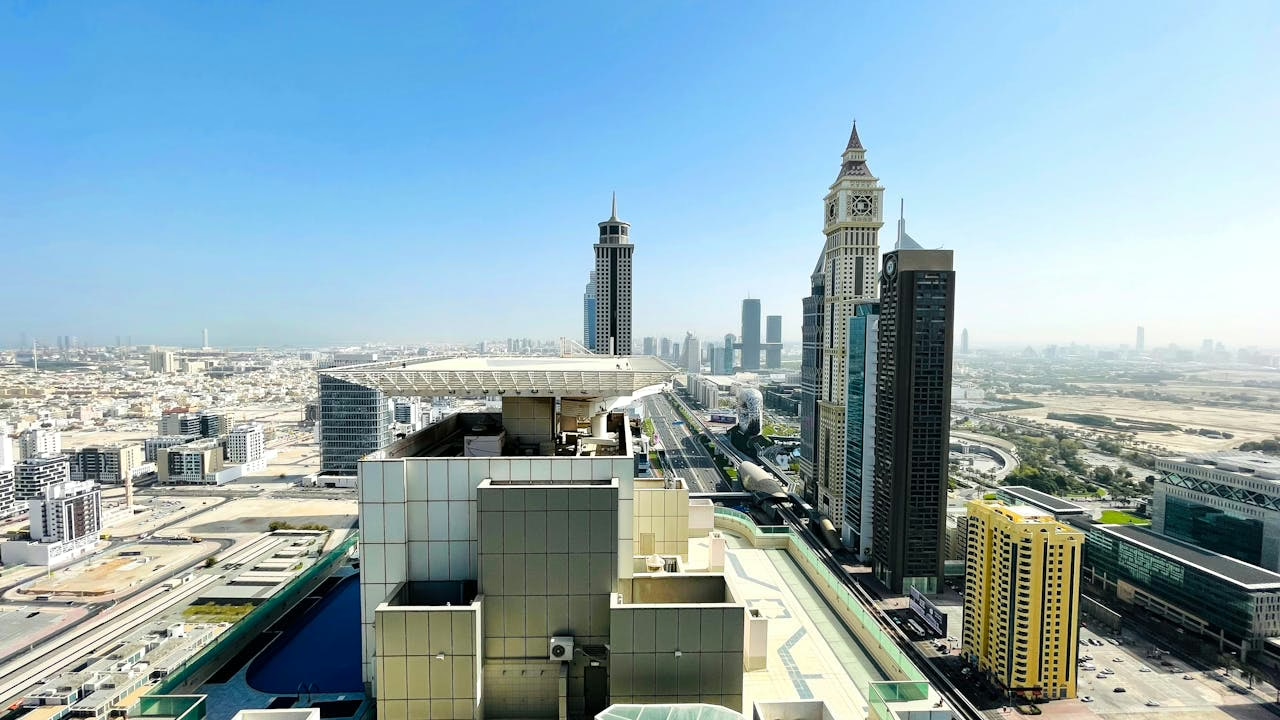
Dubai didn’t stumble into wealth by accident. Its rise from a quiet trading port to a global powerhouse came from a mix of bold decisions, timing, and a lot of strategic thinking. Oil money helped in the beginning, sure, but the city’s real success came from what it chose to do afterward. Today, Dubai’s economy stretches far beyond oil, backed by tourism, finance, trade, real estate, aviation, and nonstop innovation. When you look closely, the story of Dubai’s richness is less about luck and more about vision, experimentation, and an ability to move faster than most cities even dare to.
Oil Was the First Spark, Not the Final Answer
People often assume Dubai got rich because of oil. But in reality, Dubai’s oil reserves were never massive compared to its neighbors. Oil was discovered in 1966, and yes, the revenue changed the city’s trajectory, but Dubai recognized early that its reserves were limited. Instead of holding onto oil as a permanent solution, it used that money to build something bigger.
During the 1970s, the city started investing heavily in its foundations: ports, airports, schools, and roads. These were long-term assets, not vanity projects. The leadership understood that once the oil boom slowed down, Dubai would need alternative engines of growth. By the time oil revenues began to plateau, Dubai already had the infrastructure required to pivot into something entirely different.
Oil gave Dubai time. Vision gave Dubai direction.
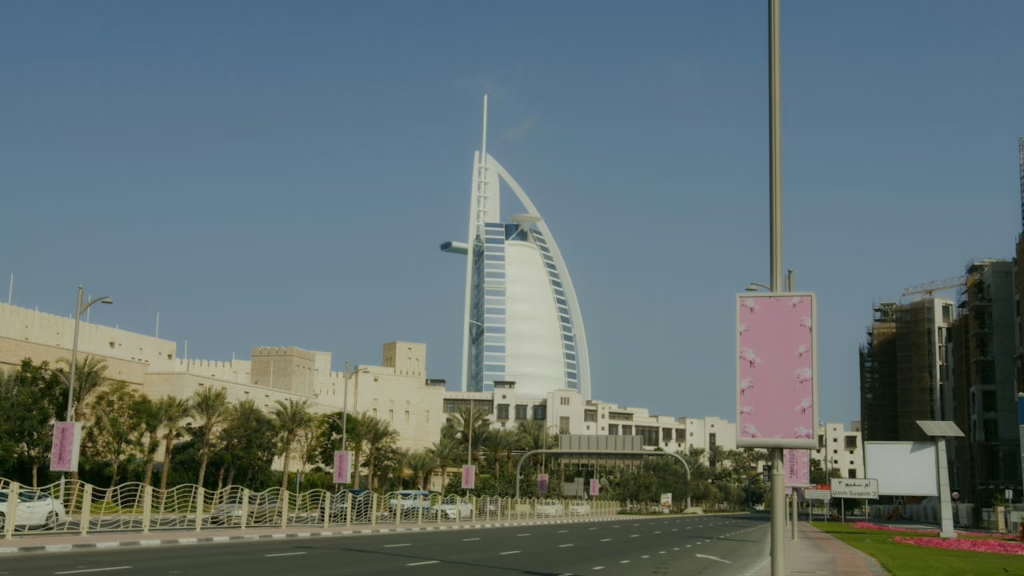
A City Built on Diversification Instead of Dependence
The smartest move Dubai made was diversifying early. Many countries and cities waited until oil revenues dropped before they began shifting their strategies. Dubai didn’t. It diversified while oil money was still flowing, which meant it could invest without rushing or panicking.
New sectors developed quickly: tourism, construction, aviation, finance, trade, real estate, and business services. These industries didn’t compete with each other, they complemented each other and created a cycle where growth in one strengthened growth in another.
That’s the real reason Dubai is wealthy today. It built an economy that does not collapse when one sector slows down. Instead, it spreads risk across many sources of revenue. This is also why Dubai recovered faster than expected after global slowdowns, such as the financial crisis and the pandemic period.
Closer Look at the City Behind the Wealth with World-Arabia
Before we dive deeper into how Dubai became so wealthy, we should mention something we’ve learned from following the city closely. At World-Arabia, we spend a lot of time tracking what actually shapes life here. And honestly, Dubai’s richness is not only about its economy. It shows up in the culture, the pace, the style, and the way people from every corner of the world interact with each other.
If you ever want to explore that side of Dubai, not just the skyline or the business headlines, our platform is a good place to start. We cover the everyday stories that reveal how the city really works behind the scenes – from fashion and business shifts to cultural events and lifestyle trends. Those details complete the picture, because understanding why Dubai is so rich also means understanding the rhythm of the city itself, not just its financial charts.
Tourism: How Dubai Turned Itself Into a Global Magnet
One of Dubai’s biggest economic success stories is tourism. But it didn’t happen organically. Dubai designed its tourism industry with purpose. It took the natural strengths of the region and amplified them with world-class infrastructure, smart marketing, and ambitious attractions.
Tourists arrive for many different reasons: the sunshine, the beaches, the futuristic architecture, luxury shopping, desert adventures, world events, and family entertainment. Dubai figured out how to offer variety without losing identity. It created a destination that promises comfort, safety, and spectacle.
Visitors spend money across the entire city, not just in hotels. Restaurants, malls, desert operators, event organizers, transportation services, entertainment companies, and real estate all benefit. Tourism became an engine that feeds itself and creates thousands of jobs.
And unlike destinations that rely only on natural beauty or historical monuments, Dubai constantly refreshes its attractions. When one project becomes familiar, another opens.
The Industries That Turned Dubai Into a Global Economic Power
Dubai’s wealth didn’t come from a single source. It came from a network of industries that grew in parallel and supported each other. If you look at how the city operates today, you’ll notice that its success is the result of planned synergy rather than lucky timing. Each sector adds a layer to Dubai’s economic strength, and together they explain why the city became one of the richest places in the world.
How Aviation Made Dubai a Global Crossroads
Dubai’s location always had strategic importance, but geography alone doesn’t build a world city. The transformation began when Dubai committed to dominating aviation. Dubai International Airport evolved into one of the busiest transit hubs on the planet, largely because the city focused on efficiency, capacity, and accessibility. Emirates Airlines amplified this momentum by connecting routes that weren’t traditionally linked, making Dubai a natural stopover for millions of travelers.
This constant flow of passengers didn’t just fuel tourism. It strengthened conferences, trade exhibitions, business travel, shipping coordination, and high level corporate movement. When international companies look for a city where flights are predictable and long haul travel is convenient, Dubai checks every box. That accessibility becomes an economic tool that keeps the city plugged into global opportunities.
Trade and Logistics: Why Dubai Became a Gateway Between Continents
Trade has always been part of Dubai’s DNA, but the city’s modern logistics network is on a completely different level. Instead of waiting for global trade patterns to shift, Dubai built a system that encouraged companies to route their goods through its ports. Jebel Ali Port is now one of the busiest in the world, but its importance goes beyond size.
Dubai mastered the art of re-exporting. Goods arrive, pass through streamlined processing, and head out again to destinations across Africa, Europe, Asia, and beyond. This fluid movement generates revenue, partnerships, and long term business relationships. Companies choose Dubai because shipments move quickly and reliably. In international trade, reliability is everything.
Dubai’s inland logistics infrastructure is also designed for speed. Highways, free zones, and industrial districts work together as one ecosystem. That combination is why Dubai remains the preferred hub for international manufacturers, traders, and supply chain operators.
Free Zones That Encourage Business Instead of Restricting It
Dubai changed the regional business landscape by offering something rare: simplicity. While many countries make it complicated for foreigners to open companies, Dubai created free zones that encourage entrepreneurship rather than restrict it. This concept was revolutionary at the time.
Free zones gave investors three extremely valuable advantages:
- Complete foreign ownership without needing a local partner
- Tax exemptions in areas where most countries impose strict financial obligations
- Fast setup procedures with minimal bureaucracy
These conditions invited thousands of companies to move their operations to Dubai. Technology, media, finance, manufacturing, logistics, and creative industries all found space to grow. Once these sectors arrived, they created jobs, expertise, and innovation. Dubai built a friendly business environment, and the world responded.
Real Estate: The City That Built Its Identity Through Construction
It’s impossible to talk about Dubai’s wealth without acknowledging the city’s construction ambitions. Dubai didn’t build skyscrapers just for aesthetics. It used real estate as a statement, a strategy, and an economic engine. Iconic districts like Downtown Dubai, Palm Jumeirah, Dubai Marina, and Business Bay represent more than architectural ambition. They are brand identities that attracted the world’s attention.
Real estate investment became one of the most powerful sources of revenue. High rental yields, modern infrastructure, and a stable legal environment continue to attract international buyers. Dubai’s willingness to reinvent neighborhoods keeps demand strong, and constant expansion creates jobs in engineering, architecture, hospitality, retail, and interior design. Real estate here is not static. It moves with the market and redefines the skyline regularly.
Finance: A Safe Place for Capital to Grow
Dubai positioned itself as a financial safe zone, and that strategy paid off. The Dubai International Financial Centre (DIFC) operates under a legal structure modeled after internationally recognized systems. This gave global investors confidence that their money and contracts would be protected.
DIFC is now home to major banks, investment firms, insurance providers, private equity groups, and financial consultants who target the Middle East, Africa, and South Asia. The transparency, regulatory clarity, and predictable environment make Dubai an attractive headquarters for regional operations. When companies feel safe, they invest heavily, and that stability keeps the cycle of growth alive.
Innovation and Technology: Dubai’s Commitment to Staying Ahead
Dubai understands that future wealth depends on innovation. It’s not enough to rely on real estate or tourism. The city actively invests in new technologies such as artificial intelligence, blockchain, robotics, digital infrastructure, and smart city systems.
Many government services are completely digitized, making everyday processes faster and more efficient for residents and businesses. Dubai also encourages experimentation, attracts tech founders, and supports startups through specialized free zones.
This future-oriented mindset keeps Dubai relevant in a world where industries shift rapidly. Innovation ensures that Dubai remains competitive even as global markets evolve.
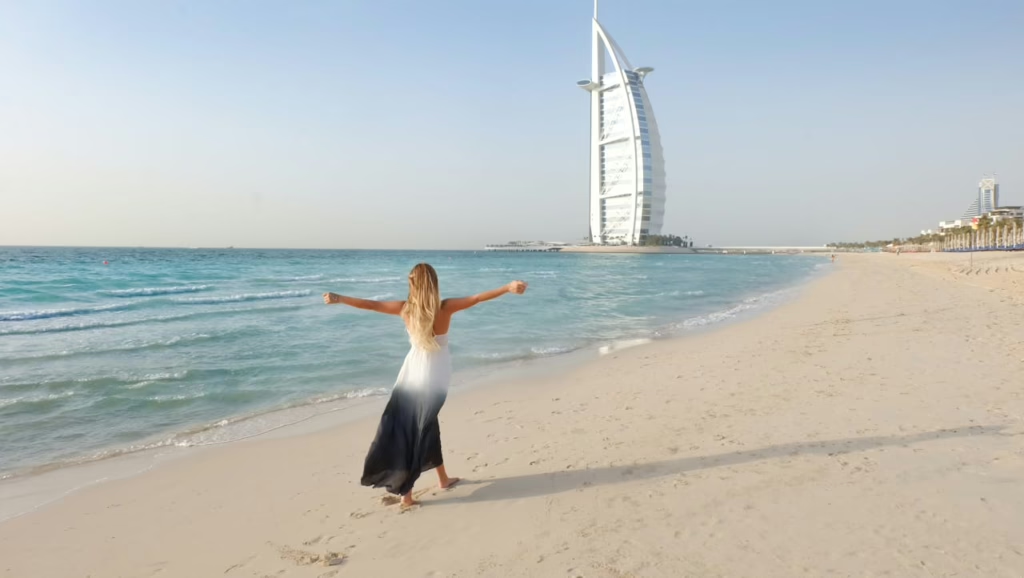
Infrastructure That Supports Both Daily Life and Economic Growth
Dubai didn’t build infrastructure for display. It built it for functionality. The metro system, highways, airports, ports, hospitals, schools, and housing communities are all part of a long-term plan to make the city livable and efficient.
When a city is easy to navigate, safe to live in, and equipped with quality services, people want to stay. Families find good schools, workers find opportunities, and companies find stable environments for their employees. This stability fuels economic growth from the inside out.
Dubai’s investment in infrastructure also helps it maintain a competitive edge in tourism, aviation, finance, and trade. Everything connects cleanly, and everything works at a standard that supports international expectations.
What Makes Dubai Attractive to Foreign Investors Today
If you look at why global investors continue pouring money into Dubai, the reasons go far beyond shiny skyscrapers or luxury malls. The city has created an ecosystem where investment feels both exciting and relatively safe. Here are the factors that consistently pull investors in:
- Predictable regulations: Investors appreciate that rules do not change suddenly. Policies around business, property, and visas are stable and publicly defined.
- Long term residency options: Programs like the Golden Visa give foreign entrepreneurs and professionals a sense of permanence and security.
- High rental yields: Property owners see better rental returns compared to many Western cities, which keeps capital flowing into the real estate market.
- Strategic location for expansion: Companies can serve three continents from one base, making Dubai an efficient operational headquarters.
- Strong infrastructure: Reliable roads, airports, utilities, telecom, and digital services make operations smoother and reduce risk.
- Favorable tax environment: Zero income tax and business friendly policies ease pressure on profit margins.
- Diverse professional talent: Access to a multinational workforce gives companies flexibility when assembling teams.
- Lifestyle appeal: Quality of life, safety, international schools, and premium amenities attract skilled professionals, which in turn attracts companies.
Because of these combined advantages, Dubai doesn’t have to chase investors. They come willingly, and many choose to stay longer than they planned.
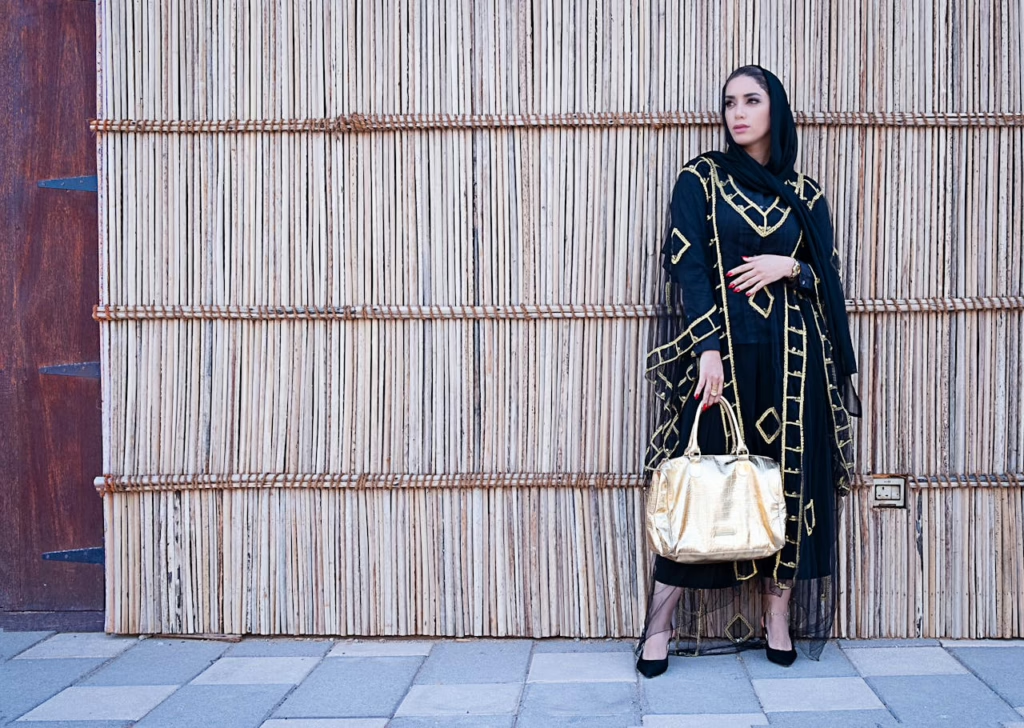
Lifestyle and Safety: The Soft Factors With Hard Economic Impact
Dubai is known for its luxurious lifestyle, but beyond the glamor is something very practical: safety. The low crime rate is a big reason why families and professionals choose to move here. When people feel secure, they invest more freely in housing, education, and long-term plans.
The lifestyle aspect adds another layer. Dubai appeals to a wide range of people because it combines comfort, cultural diversity, shopping, dining, cleanliness, and social events. The city is designed to be enjoyable, and enjoyment attracts spending.
Wealthy visitors come for holidays. Expat professionals come for jobs. Investors come for opportunity. All three groups contribute money to the economy.
Leadership That Always Thinks Ahead
Dubai’s rulers played a major role in shaping the city’s rise. Their approach is defined by strategic planning, fast decision making, and a willingness to invest in projects that other cities considered unrealistic. Instead of waiting for conditions to be perfect, Dubai often creates its own conditions.
The leadership focuses on long-term goals, not short-term wins. Whether it’s building an international airport, establishing free zones, or constructing man-made islands, each decision fits into a broader vision.
This style of leadership gives Dubai consistency. Investors know that the city’s direction will remain stable, and that encourages them to commit long-term.
The Geography Factor: Turning Location Into Leverage
Dubai’s location has always played a role in its development, but how the city used that location is what matters. Sitting between Europe, Asia, and Africa makes it an ideal place for trade and aviation.
Dubai turned its coastline and desert terrain into a series of opportunities. Goods move through its ports, travelers pass through its airports, and businesses rely on its logistics systems. Geography gave Dubai the starting point. Visionary planning transformed it into an advantage.
Looking Forward: Why Dubai Will Stay Rich
The story of Dubai’s wealth is not finished. The city continues investing in renewable energy, sustainable development, technology, and new economic zones. Instead of slowing down, Dubai is setting goals through long-term urban planning strategies that stretch decades into the future.
As long as Dubai keeps adapting, attracting global talent, and maintaining its reputation as a stable and forward-focused hub, it will continue to be one of the world’s wealthiest and most influential cities.
Frequently Asked Questions
Does all of Dubai’s wealth come from oil?
No. Oil was the jumpstart, not the long term engine. Today, oil represents only a small part of Dubai’s GDP. The real drivers are tourism, real estate, finance, trade, and aviation, all built on top of the early investments funded by oil revenue.
Why did Dubai diversify so quickly?
Dubai knew early on that its oil reserves were limited. Leaders made a conscious decision to reinvest oil profits into infrastructure, ports, airports, free zones, and services. That early planning allowed the city to shift into other industries long before oil slowed down.
What makes Dubai a major business hub?
Dubai is attractive to businesses because it offers full foreign ownership in free zones, simple company setup procedures, modern legal frameworks, and zero personal income tax. Add strategic geography and reliable transport routes, and Dubai becomes an easy place to operate from.
How does tourism contribute to Dubai’s wealth?
Tourism fuels hotels, restaurants, retail, transportation, entertainment, events, and real estate. The city hosts millions of visitors every year thanks to landmarks like the Burj Khalifa, world class malls, beaches, theme parks, and its reputation for safety.
Why is Dubai considered a global aviation hub?
Dubai sits between Europe, Asia, and Africa, which makes it perfect for connecting long haul flights. Dubai International Airport and Emirates Airlines grew into global leaders by offering strong routes, modern facilities, and reliable service.